



Mar . 17, 2026 01:45 Back to list
Comprehensive Guide to Ground Rod Requirements for Portable Generators
Ground Rod Required for Portable Generator: A Comprehensive Guide
Using a portable generator provides convenient power, but safety is paramount. One crucial aspect often overlooked is grounding. This article will detail why a ground rod is required for portable generator operation, covering safety concerns, proper installation, and relevant codes. Properly grounding your generator protects against electrical shock and damage to equipment. Ignoring this step can lead to serious consequences, and we’ll explore all you need to know to operate your generator safely and effectively.
Why is Grounding a Portable Generator Important?
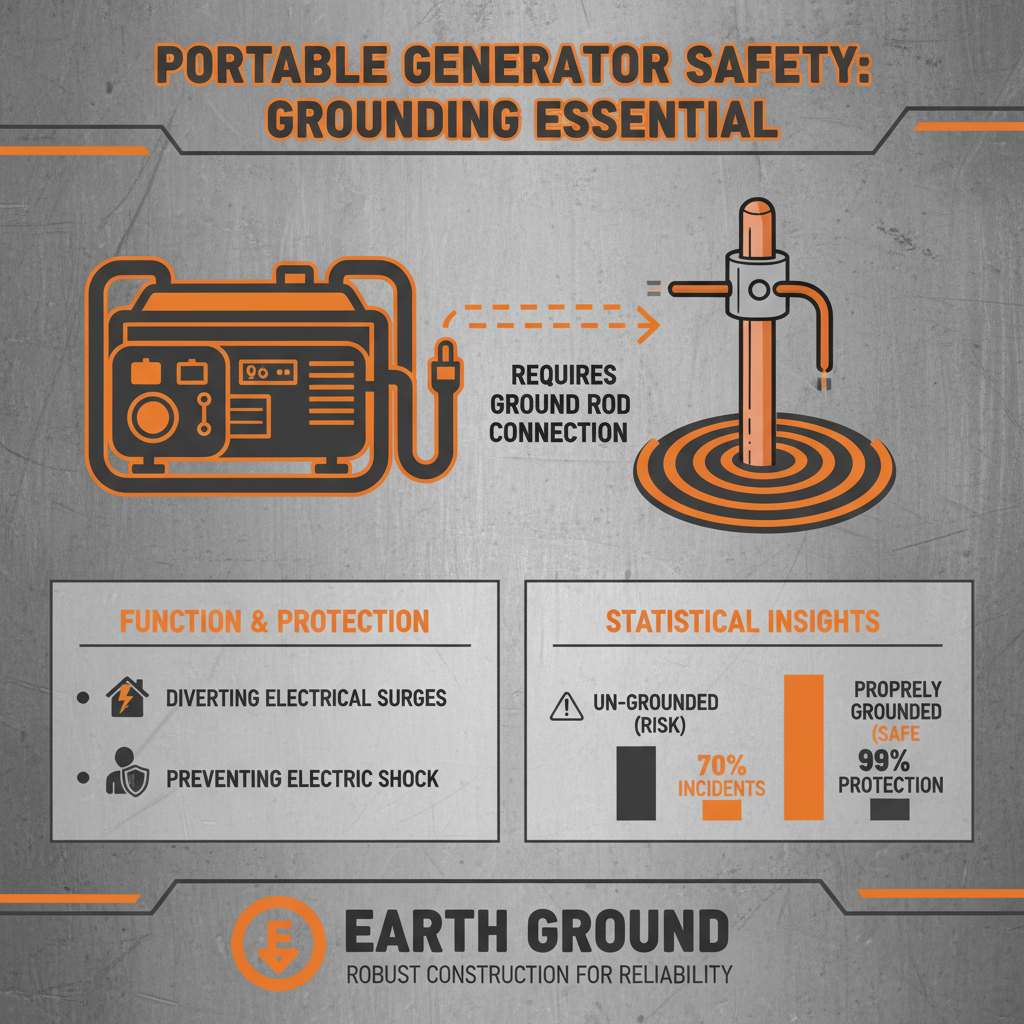
Grounding a portable generator creates a safe path for electrical current to flow back to the earth in the event of a fault. Without grounding, a short circuit or other electrical issue can cause the generator’s metal parts to become energized, posing a significant risk of electric shock. Grounding also helps protect sensitive electronics connected to the generator from damage due to voltage spikes. It’s a foundational safety measure, and understanding its importance is the first step to safe generator operation. Often, a portable generator ground rod is the simplest and most effective way to achieve this.
Key Takeaway: Grounding isn’t just about protecting you; it’s also about safeguarding your appliances and preventing potential fire hazards.
Ground Rod Required for Portable Generator: The National Electrical Code (NEC)
The National Electrical Code (NEC) provides guidelines for safe electrical installations, and portable generators are no exception. While the NEC doesn’t explicitly require grounding for all portable generators in all situations, it strongly recommends it, and many local jurisdictions have adopted regulations based on NEC recommendations. Specifically, Article 250 of the NEC covers grounding and bonding requirements. For generators used to power construction sites or where electrical systems are interconnected, grounding is typically mandatory. Ignoring these regulations can result in fines and, more importantly, increased safety risks. Checking with local authorities regarding specific requirements is always advised.
NEC Grounding Recommendations:
• Grounding provides a path for fault current to flow safely to the earth.
• Bonding connects metal parts to ensure equal potential.
• Local codes may have stricter requirements than the NEC.
Choosing the Right Ground Rod for Your Portable Generator
The correct ground rod is essential for effective grounding. Typically, an 8-foot copper or copper-clad steel ground rod with a diameter of at least 1/2 inch is recommended. The material is important; copper provides excellent conductivity. The length ensures adequate contact with the earth. It’s also critical to consider the soil conditions. In dry or rocky soil, you may need to drive the ground rod deeper or use multiple ground rods connected together. Bilopowtel offers a range of ground rods suitable for various portable generator applications.
How to Properly Install a Ground Rod for a Portable Generator
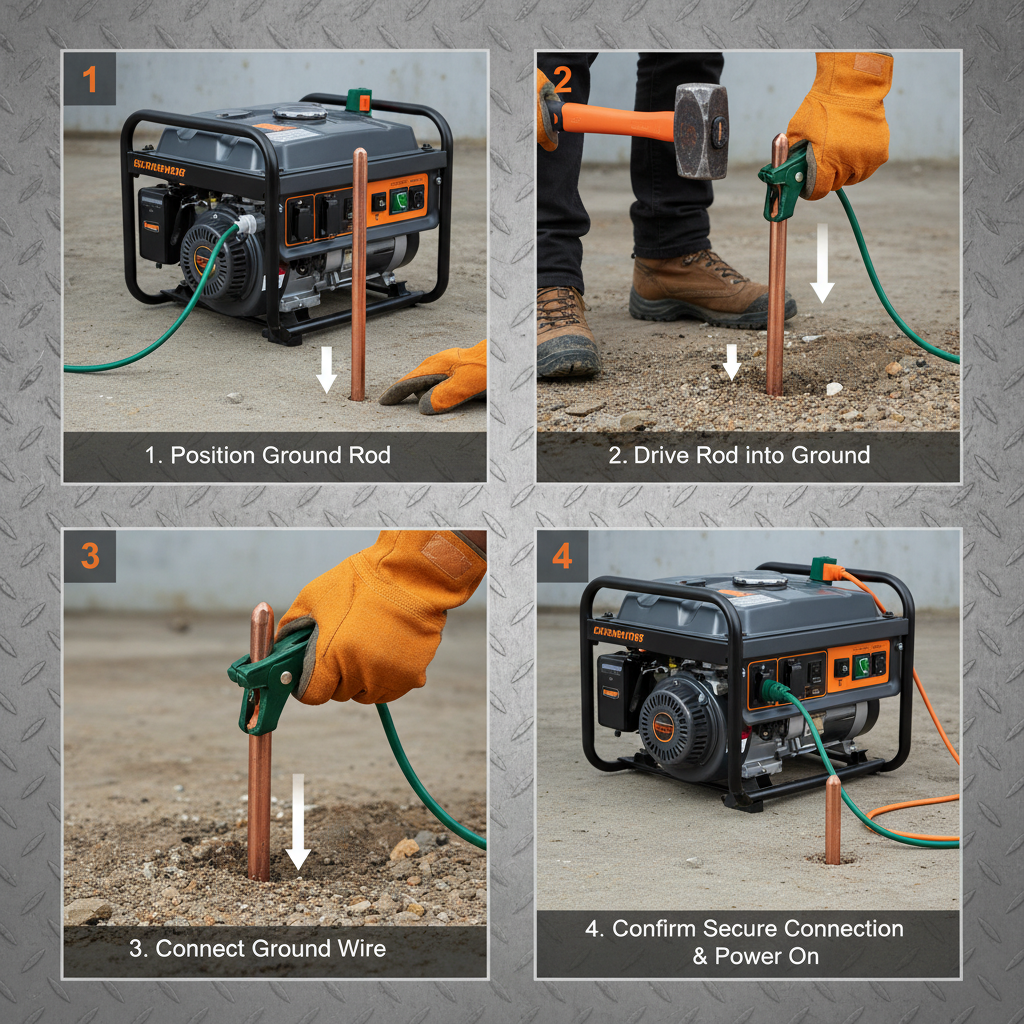
Installing a ground rod is relatively straightforward. First, choose a location as close to the generator as possible. Use a grounding rod driver to hammer the rod into the ground, leaving only about 6-8 inches exposed. Connect a grounding wire (typically 10 AWG copper wire) from the generator's grounding terminal to the ground rod, using a suitable clamp. Ensure the connection is tight and corrosion-resistant. It’s crucial to avoid sharp bends in the wire and to protect it from physical damage. Regularly inspect the connection for corrosion or looseness.
Grounding vs. Bonding: Understanding the Difference
Often, the terms grounding and bonding are used interchangeably, but they’re distinct concepts. Grounding connects the electrical system to the earth, providing a path for fault current. Bonding connects metal parts of the electrical system together, ensuring they're at the same potential. While grounding uses a ground rod driven into the earth, bonding involves connecting the generator’s frame and other metal enclosures to create an equipotential plane. Both are important for comprehensive electrical safety. Utilizing Bilopowtel’s grounding solutions ensures both proper grounding and bonding for optimal safety.
Conclusion: Prioritizing Safety with Proper Grounding
Don't underestimate the importance of grounding your portable generator. It’s a simple yet critical step in protecting yourself, your equipment, and your property. By understanding the guidelines outlined in the NEC and following proper installation procedures, you can ensure safe and reliable power whenever and wherever you need it. Bilopowtel is dedicated to providing high-quality grounding solutions to keep you safe.
Frequently Asked Questions (FAQs)
Can I use a metal fence post as a ground rod?
While a metal fence post might offer some grounding, it's not a recommended or safe substitute for a dedicated ground rod. Fence posts are often coated or painted, reducing their conductivity. Their connection to the earth may be insufficient, and their purpose isn’t for electrical grounding. Using a proper ground rod ensures a reliable and low-resistance path to earth, minimizing the risk of electrical shock. It's crucial to adhere to safety standards and use approved grounding equipment.
What if my soil is very rocky?
If your soil is rocky, driving a ground rod can be challenging. You may need to use a ground rod driver with extra force, or consider using multiple ground rods connected together with a grounding conductor. Alternatively, you might explore a ground ring – a circular conductor buried around the generator. A qualified electrician can assess your soil conditions and recommend the most effective grounding solution.
How often should I inspect my generator's grounding system?
It's a good practice to inspect your generator's grounding system before each use. Check the connection between the grounding wire and the ground rod for corrosion or looseness. Ensure the grounding wire is not damaged or frayed. Visually inspect the ground rod itself for any signs of damage. Regular maintenance ensures the system remains effective and provides continued protection.
Latest news
Precision Lifting and Pulling with the Lever Block 0.5 Ton Guide
NewsApr.16,2026
Precision Engineering Guide for High Performance Jet Lever
NewsApr.16,2026
Ultimate Guide to Choosing the Professional Industrial hoist lever
NewsApr.16,2026
Industrial Hoist Lever Chain Guide for Heavy Lifting and Rigging
NewsApr.16,2026
Industrial Lever Hoist Guide for Efficient Lifting and Pulling
NewsApr.16,2026
Ultimate Guide to Hand Ratchet Lift for Heavy Industrial Lifting
NewsApr.16,2026
- CONTACT
- ADDRESS: 188, Fengshou Road, Shijiazhuang. China
- EMAlL: info@bilopowtel.com
- PHONE: 0086-311-88862036
- WHATSAPP: 0086-152-26563165


