



Mar . 26, 2026 01:45 Back to list
The Essential Role of a Single Grounding Rod in Electrical Safety Systems
Understanding the Role of a Single Grounding Rod
In the realm of electrical safety, grounding is paramount. A crucial component of any effective grounding system is the single grounding rod. This article will explore the function, installation, applications, and benefits of using a single grounding rod, providing a comprehensive guide for homeowners, businesses, and electrical professionals. Proper grounding protects equipment, prevents electrical shock, and ensures the safe operation of electrical systems. We'll delve into why a quality grounding rod is an essential investment.
What is a Single Grounding Rod and How Does it Work?
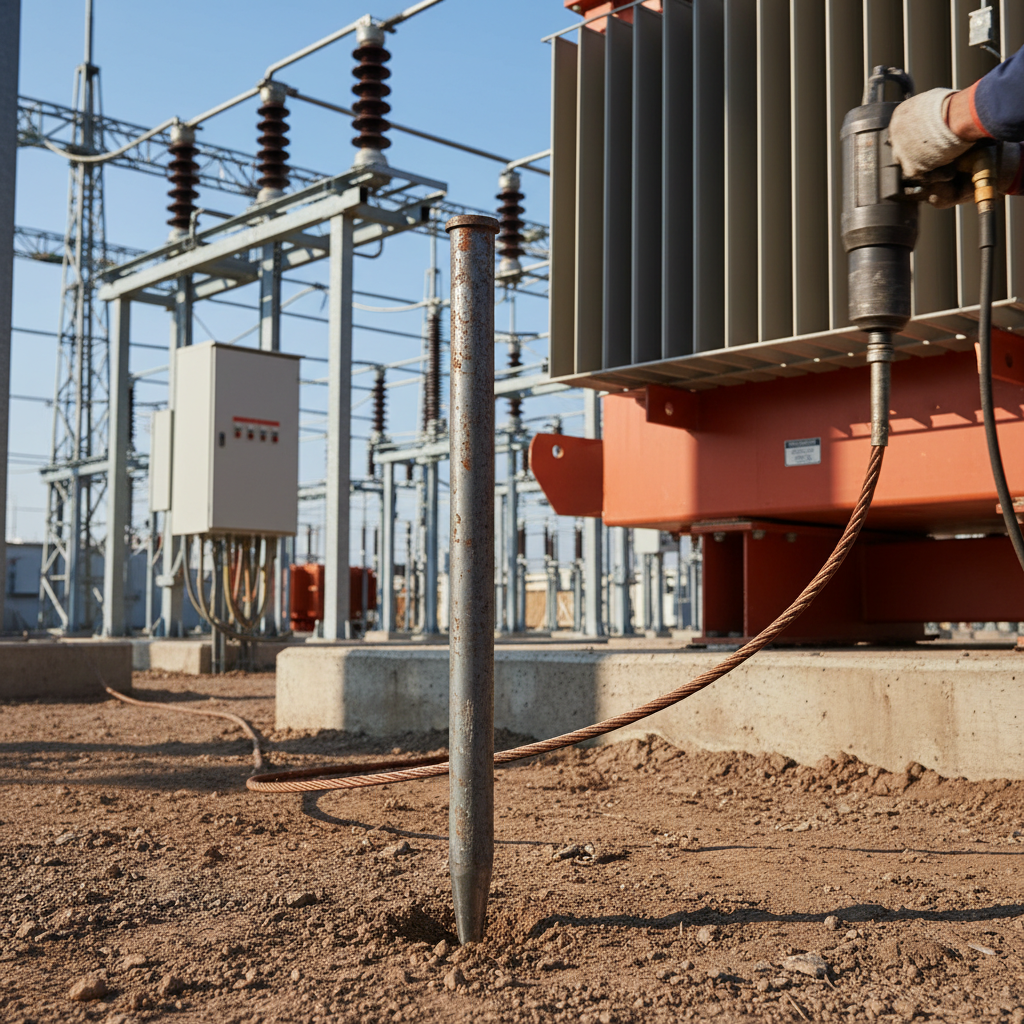
A single grounding rod is a conductive rod, typically made of copper or copper-clad steel, driven into the earth to provide a low-resistance path for electrical current to flow back to the source in the event of a fault. This prevents the buildup of voltage, which could cause electrical shock or damage to equipment. The rod connects to the electrical system's grounding wire, creating a safe pathway for stray currents. It’s crucial to understand that a grounding rod doesn’t prevent electrical faults, but rather mitigates their dangerous consequences. A well-grounded system significantly reduces the risk of electrical hazards.
Applications of Single Grounding Rods
Single grounding rods are versatile and essential in numerous applications. They are commonly used in residential homes to protect electrical systems and appliances. They’re also critical in agricultural settings for protecting barns, irrigation systems, and livestock. Furthermore, they are vital for protecting telecommunication equipment, radio towers, and other sensitive electronics. Essentially, any application where electrical safety and equipment protection are paramount benefits from a properly installed grounding rod. They’re often a necessary component of lightning protection systems as well.
Key Applications: Residential grounding, agricultural safety, telecommunications protection, lightning protection, and industrial equipment grounding.
Choosing the Right Single Grounding Rod: Materials and Length
Selecting the appropriate grounding rod is crucial for optimal performance. Copper grounding rods offer excellent conductivity but can be more expensive. Copper-clad steel rods provide a cost-effective alternative, combining the conductivity of copper with the strength of steel. The length of the rod depends on the soil resistivity; higher resistivity requires a longer rod to achieve adequate grounding. Generally, an 8-foot rod is common, but in areas with poor soil conductivity, a 10-foot or even longer rod may be necessary. Consider local electrical codes and regulations when making your selection.
Grounding Rod Comparison:
• Copper: Excellent conductivity, higher cost.
• Copper-Clad Steel: Good conductivity, more affordable, strong.
• Length: 8ft common, longer needed for poor soil conductivity.
Installation Best Practices for a Single Grounding Rod
Proper installation is vital for a grounding rod to function effectively. The rod should be driven vertically into the ground to a sufficient depth, ensuring good contact with the surrounding soil. Avoid rocky or dry areas, as these offer poor conductivity. A grounding conductor, typically a heavy-gauge copper wire, should be securely connected to the rod using an approved clamp. The connection should be corrosion-resistant to ensure long-term reliability. It is highly recommended to consult a qualified electrician for installation, particularly for complex electrical systems. Always adhere to local electrical codes.
Benefits of Using a Single Grounding Rod
Investing in a single grounding rod offers numerous benefits. It enhances electrical safety by providing a path for fault currents, reducing the risk of electric shock. It protects sensitive electronic equipment from damage caused by voltage surges. It helps to minimize the risk of fire hazards caused by electrical faults. Ultimately, a properly grounded system provides peace of mind, knowing that your electrical system is safe and reliable. Consider the long-term cost savings associated with preventing electrical damage and potential injuries.
Conclusion: Invest in Electrical Safety
A single grounding rod is a small investment that provides significant protection. Prioritizing electrical safety is crucial for protecting your home, business, and loved ones. Don’t compromise on quality – choose a reliable grounding rod from a trusted supplier like Bilopowtel.
Frequently Asked Questions (FAQs)
How often should I inspect my grounding rod?
It’s recommended to visually inspect your grounding rod and connections at least once a year. Look for signs of corrosion, damage to the wire, or loose connections. If you suspect a problem, have it inspected by a qualified electrician. Regular inspections ensure the grounding system remains effective and safe. Pay particular attention after severe weather events such as lightning storms.
Can I use multiple grounding rods?
Yes, in some cases, using multiple grounding rods can be beneficial, especially in areas with poor soil conductivity. However, it’s crucial to follow local electrical codes and ensure the rods are spaced appropriately. Generally, rods should be spaced at least the length of the rod itself apart. Consult with an electrician to determine if multiple rods are necessary for your specific situation.
What is soil resistivity and why is it important?
Soil resistivity is a measure of how easily electrical current flows through the ground. High soil resistivity means the ground is less conductive, requiring longer grounding rods or multiple rods to achieve adequate grounding. Soil resistivity varies depending on factors like soil composition, moisture content, and temperature. Soil testing can be performed to determine the resistivity of your soil.
Is a grounding rod the same as a lightning rod?
No, a grounding rod and a lightning rod are not the same, although they both utilize grounding. A grounding rod is part of the general electrical system’s safety grounding. A lightning rod is specifically designed to attract lightning strikes and safely conduct the energy to the ground, protecting the structure. While a lightning rod system also includes grounding rods, it’s a more complex and specialized system.
Latest news
Precision Lifting and Pulling with the Lever Block 0.5 Ton Guide
NewsApr.16,2026
Precision Engineering Guide for High Performance Jet Lever
NewsApr.16,2026
Ultimate Guide to Choosing the Professional Industrial hoist lever
NewsApr.16,2026
Industrial Hoist Lever Chain Guide for Heavy Lifting and Rigging
NewsApr.16,2026
Industrial Lever Hoist Guide for Efficient Lifting and Pulling
NewsApr.16,2026
Ultimate Guide to Hand Ratchet Lift for Heavy Industrial Lifting
NewsApr.16,2026
- CONTACT
- ADDRESS: 188, Fengshou Road, Shijiazhuang. China
- EMAlL: info@bilopowtel.com
- PHONE: 0086-311-88862036
- WHATSAPP: 0086-152-26563165


