



Feb . 26, 2026 01:45 Back to list
Understanding Red Blue Yellow Earth Wires for Safe Electrical Systems
Understanding Red, Blue, Yellow, and Earth Wires: A Comprehensive Guide
Electrical wiring can seem daunting, but understanding the purpose of each wire color is fundamental to safety and effective installations. This article will break down the roles of red, blue, yellow, and earth wires, covering their common uses, safety considerations, and how they contribute to a functioning electrical system. We'll explore standard practices and provide insights for both DIY enthusiasts and professionals. Correctly identifying and working with these wires is paramount to preventing electrical hazards. BiloPowtel offers a range of high-quality electrical components to ensure safe and reliable installations.
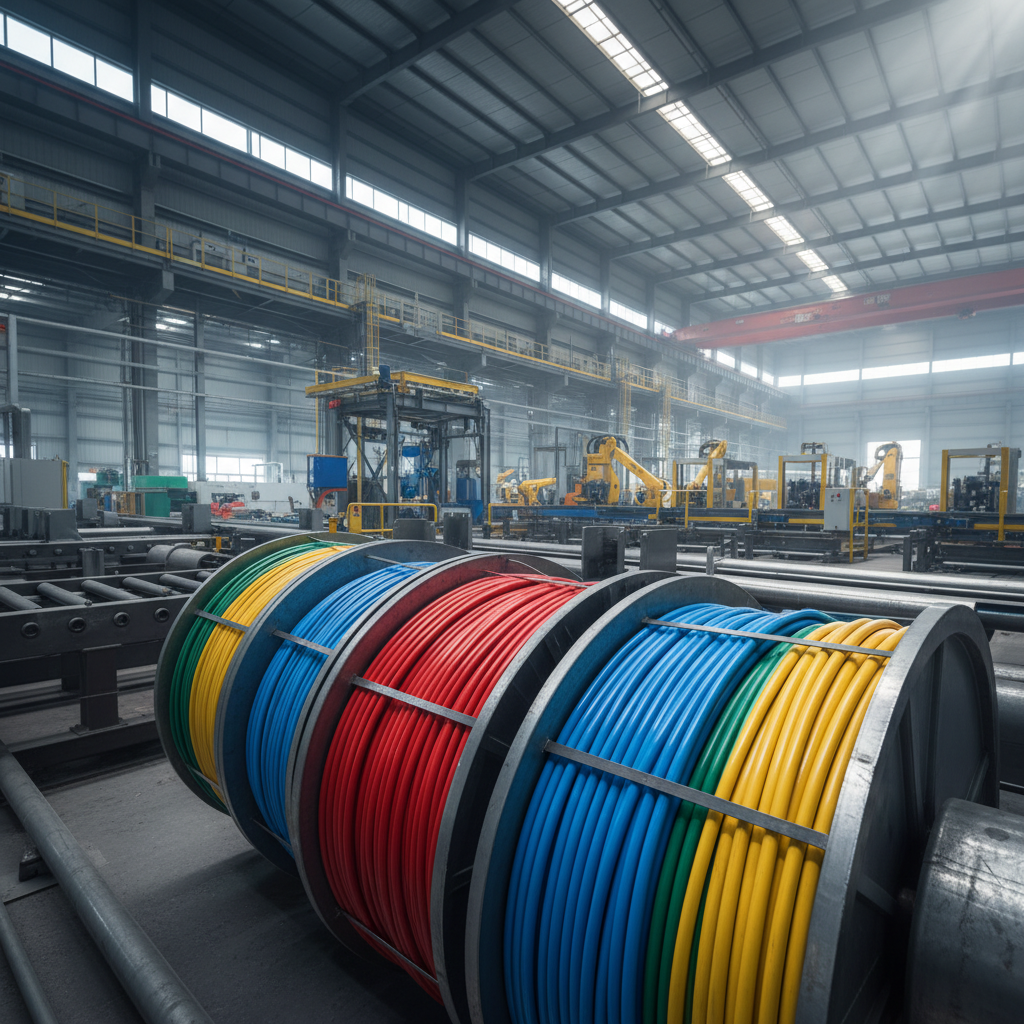
The Role of Red Wires in Electrical Systems
Traditionally, red wires are often used as the hot or live wires in 240V circuits, commonly found in appliances like electric dryers and ovens. They carry the electrical current from the power source to the appliance. In some cases, they can also be used for switch legs, transporting power from a switch to a light fixture or outlet. However, it's crucial to always verify with a voltage tester before working with any wire, as color coding can vary depending on regional regulations and installation practices. Never assume a wire's function based solely on its color. Consulting local electrical codes and seeking professional guidance is essential for safe and compliant wiring.
Key Takeaway: Red wires frequently indicate a hot wire in 240V circuits but require verification before any work is performed.
Decoding Blue Wires: Neutral or Travelers?
Blue wires can serve multiple purposes depending on the context. In some installations, they act as neutral wires, providing a return path for the electrical current. However, in three-way switch configurations, blue wires are commonly used as traveler wires, carrying the current between the two switches. This can create confusion, highlighting the need for careful identification and testing. Incorrectly identifying a blue wire could lead to a short circuit or a malfunctioning system. Always double-check the wiring diagram and use appropriate testing equipment to confirm the wire's function.
Blue Wire Functions:
• Neutral Wire: Returns current to the source.
• Traveler Wire: Carries current between switches in a three-way circuit.
• Requires careful identification and testing.
Yellow Wires: Switching and Specific Applications
Yellow wires are frequently used as switch legs, similar to red wires, but are more commonly found in switching circuits where the power source is coming from a different phase. They carry the live current to the device being controlled by the switch. In some regions, they are also used for specific purposes like controlling lighting in commercial settings. Understanding the local electrical code is vital when working with yellow wires. BiloPowtel provides a variety of switches and wiring accessories to accommodate various applications.
Earth Wires (Green/Bare): The Crucial Safety Component
Earth wires, typically green or bare copper, are arguably the most important wires in any electrical system. They provide a low-resistance path for fault current to flow back to the source, triggering the circuit breaker or fuse and preventing electric shock. This grounding system is essential for safety. Never disconnect or bypass an earth wire. Ensure that earth wires are securely connected to all metal enclosures and grounding points. Regularly inspect earth connections to ensure their integrity. A properly grounded system is a lifesaver.
Conclusion: Prioritizing Safety with Correct Wiring
Understanding the purpose of red, blue, yellow, and earth wires is essential for ensuring safe and functional electrical systems. Always verify wire functions, adhere to local electrical codes, and when in doubt, consult a qualified electrician. BiloPowtel is committed to providing reliable electrical products and resources to support safe installations.
Frequently Asked Questions (FAQs)
What should I do if I’m unsure about a wire’s function?
If you are ever uncertain about the function of a wire, the safest course of action is to consult a qualified electrician. Do not attempt to proceed with any work until you have positively identified the wire and understand its purpose. Using a voltage tester is a crucial first step, but it doesn't always reveal the full picture. An electrician can perform a thorough assessment and ensure the wiring is safe and compliant with local codes. It's better to be safe than sorry when dealing with electricity. Incorrect wiring can lead to fire hazards, electric shock, and damage to appliances.
Can wire colors vary based on location?
Yes, wire color coding can vary depending on the region and local electrical codes. While there are common standards, they aren't universally enforced. For example, in some countries, brown might be used as the hot wire instead of red. Always refer to the specific electrical code applicable to your location and consult with a qualified electrician to ensure compliance. Never assume that wire colors will be consistent across different installations or regions.
How often should I inspect my electrical wiring?
It's recommended to visually inspect your electrical wiring at least once a year, and more frequently if you live in an older home or have experienced any electrical issues. Look for signs of damage, such as frayed wires, loose connections, or discolored insulation. Pay close attention to areas where wiring is exposed or subject to wear and tear. If you notice any problems, contact a qualified electrician immediately. Regular inspection and maintenance can help prevent electrical hazards and extend the lifespan of your electrical system.
What are the risks of working with live wires?
Working with live wires carries a significant risk of electric shock, burns, and even death. Electricity can travel through your body, disrupting your heart rhythm and causing serious injuries. Never attempt to work on electrical wiring unless you are a qualified electrician and have taken all necessary safety precautions. Always turn off the power at the circuit breaker before working on any electrical components. Use insulated tools and wear appropriate safety gear, such as rubber gloves and safety glasses. If you are not comfortable working with electricity, leave it to the professionals.
Latest news
Precision Lifting and Pulling with the Lever Block 0.5 Ton Guide
NewsApr.16,2026
Precision Engineering Guide for High Performance Jet Lever
NewsApr.16,2026
Ultimate Guide to Choosing the Professional Industrial hoist lever
NewsApr.16,2026
Industrial Hoist Lever Chain Guide for Heavy Lifting and Rigging
NewsApr.16,2026
Industrial Lever Hoist Guide for Efficient Lifting and Pulling
NewsApr.16,2026
Ultimate Guide to Hand Ratchet Lift for Heavy Industrial Lifting
NewsApr.16,2026
- CONTACT
- ADDRESS: 188, Fengshou Road, Shijiazhuang. China
- EMAlL: info@bilopowtel.com
- PHONE: 0086-311-88862036
- WHATSAPP: 0086-152-26563165


