



Mar . 07, 2026 01:45 Back to list
Essential Guide to Antenna Ground Rods for Optimal Performance and Safety
Understanding Antenna Ground Rods: A Comprehensive Guide
A properly grounded antenna system is crucial for optimal performance and safety. At the heart of this system lies the antenna ground rod. This essential component provides a direct path to earth, dissipating static electricity and preventing damage from lightning strikes. This article will explore the importance of grounding, types of ground rods, installation techniques, and how to choose the right ground rod for your specific needs. Effective grounding minimizes interference and ensures reliable communication.
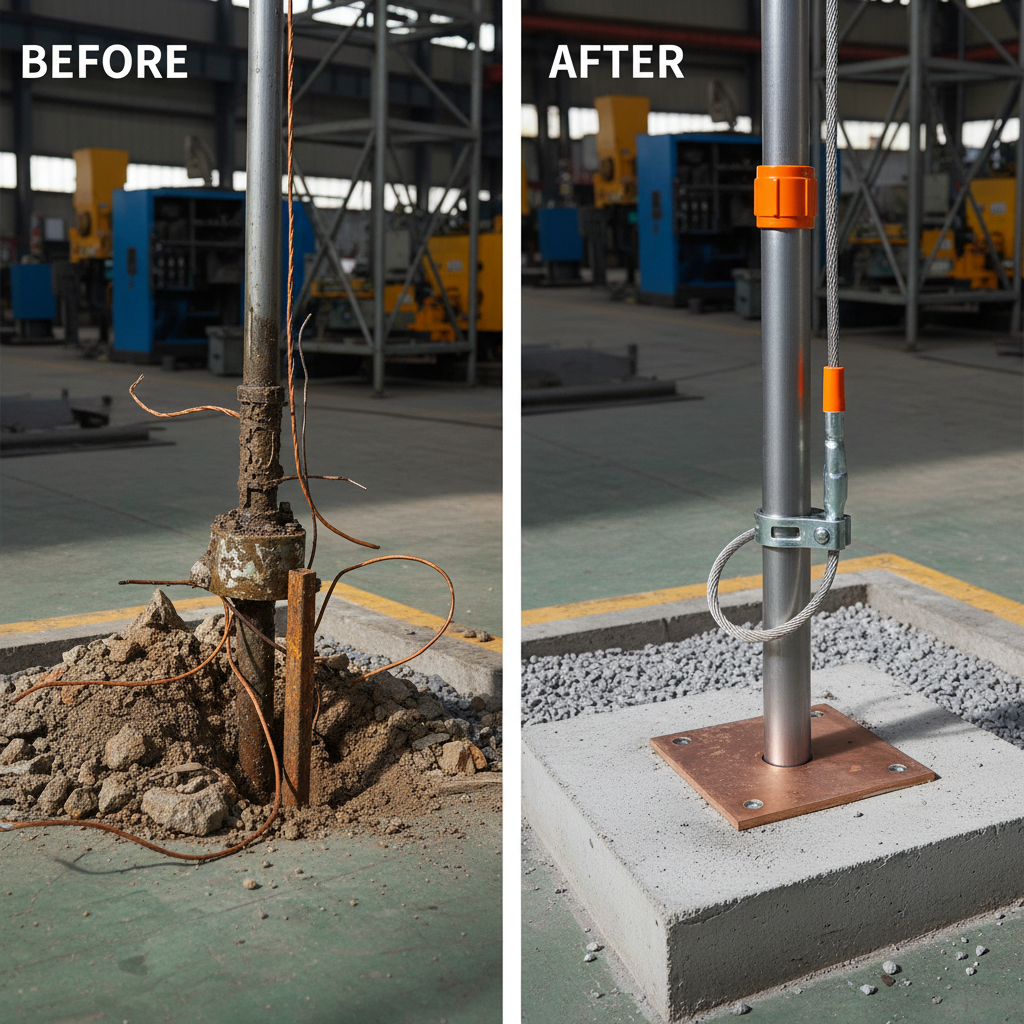
Why is Antenna Grounding Important?
Grounding an antenna isn’t merely a best practice; it’s often a necessity. The primary purpose is safety – protecting equipment and personnel from the dangerous effects of lightning. Lightning strikes can induce incredibly high voltages in an antenna system, potentially damaging electronics and posing a severe risk to anyone nearby. Furthermore, grounding reduces radio frequency interference (RFI), enhancing signal clarity and improving communication quality. A good ground minimizes static buildup and ensures a stable electrical reference point for the antenna. Without proper grounding, you risk equipment failure, signal degradation, and even personal injury. A well-installed ground rod is a small investment that offers significant protection.
Key Benefits of Antenna Grounding:
- Protects equipment from lightning strikes
- Reduces radio frequency interference (RFI)
- Improves signal clarity
- Ensures a stable electrical reference point
- Enhances safety for personnel
Types of Antenna Ground Rods
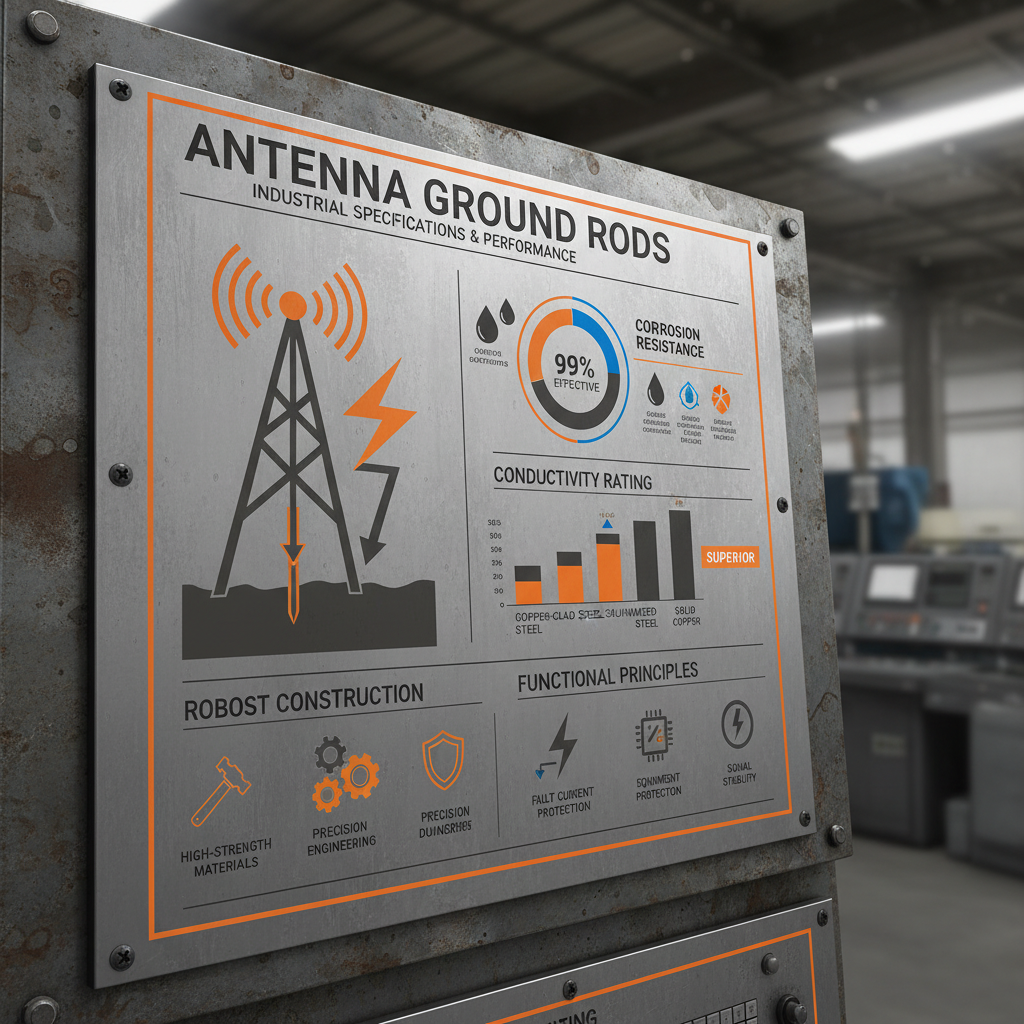
Antenna ground rods come in various materials, each with its own advantages and disadvantages. Copper-clad steel is the most common type, offering a good balance of conductivity and strength. Solid copper rods provide the best conductivity but are more expensive and susceptible to bending. Galvanized steel rods are the least expensive but also the least conductive and prone to corrosion. The length of the ground rod also matters; longer rods generally provide better grounding, especially in areas with poor soil conductivity. Choosing the right material depends on your budget, soil conditions, and the level of protection required. Bilopowtel offers a range of ground rods designed to meet diverse needs.
Ground Rod Material Comparison:
• Copper-Clad Steel: Best balance of conductivity and strength.
• Solid Copper: Highest conductivity, but more expensive and less durable.
• Galvanized Steel: Least expensive, but lower conductivity and prone to corrosion.
Selecting the Right Antenna Ground Rod
The ideal ground rod length and diameter depend on several factors, including the antenna’s frequency, power output, and the soil’s conductivity. Generally, a ground rod at least 8 feet long is recommended. In areas with rocky or sandy soil, a longer rod or multiple ground rods may be necessary. The diameter of the rod should also be considered; thicker rods are more durable and provide a larger surface area for grounding. It’s crucial to consult local electrical codes and regulations to ensure compliance. A professional antenna installer can assess your specific site conditions and recommend the most appropriate ground rod solution. Bilopowtel’s experts can help you determine the best grounding setup for your needs.
Antenna Ground Rod Installation Best Practices
Proper installation is just as important as choosing the right ground rod. The rod should be driven vertically into the ground, as deep as possible. Avoid bending the rod during installation, as this can compromise its conductivity. Connect the antenna’s ground wire to the ground rod using a listed grounding clamp. Ensure the connection is secure and corrosion-resistant. Consider using a ground plate in addition to the ground rod for improved grounding, especially in areas with poor soil conductivity. Always follow local electrical codes and safety guidelines during installation. If you’re not comfortable performing the installation yourself, it’s best to hire a qualified professional.
Maintaining Your Antenna Grounding System
Once installed, your antenna grounding system requires periodic maintenance. Inspect the ground rod and connections annually for corrosion or damage. Tighten any loose connections and replace any corroded components. Ensure the ground wire remains securely attached to both the antenna and the ground rod. If you live in an area prone to lightning, consider having your grounding system inspected by a professional after a significant storm. Regular maintenance will ensure your grounding system remains effective and continues to protect your equipment and personnel.
Conclusion: Investing in a Solid Grounding System
A properly installed and maintained antenna ground rod is a critical component of any antenna system. It protects your equipment, enhances signal quality, and, most importantly, ensures the safety of those who work with or near the antenna. Don’t compromise on grounding – it’s a small investment that yields significant benefits. Bilopowtel provides high-quality ground rods and expert advice to help you create a safe and reliable antenna system.
Frequently Asked Questions (FAQs)
What is the best way to test if my antenna is properly grounded?
The most reliable way to test grounding is with a ground resistance tester. This device measures the resistance between the ground rod and a distant ground point. A low resistance reading (typically less than 5 ohms) indicates a good ground connection. You can also use a multimeter to check for continuity between the antenna’s ground wire and the ground rod. However, this method is less accurate than using a dedicated ground resistance tester. It’s recommended to have a qualified technician perform a thorough grounding assessment.
Can I use multiple ground rods to improve grounding?
Yes, using multiple ground rods, connected together with a heavy-gauge ground wire, can significantly improve grounding, especially in areas with poor soil conductivity. The rods should be spaced at least 6 feet apart and driven to the same depth. This creates a larger grounding surface area and reduces overall resistance. This is a common practice for larger antenna systems or in areas with challenging ground conditions.
What should I do if my ground rod is damaged?
If your ground rod is bent, corroded, or otherwise damaged, it should be replaced immediately. A damaged ground rod will not provide adequate protection. Carefully disconnect the ground wire and remove the old rod. Install a new ground rod of the same or better material and length, following the recommended installation practices. Ensure the new connection is secure and corrosion-resistant.
Does the type of soil affect antenna grounding?
Yes, the type of soil significantly impacts grounding effectiveness. Sandy or rocky soil has higher resistance than clay or moist soil. In areas with poor soil conductivity, you may need to use longer ground rods, multiple ground rods, or a ground plate to achieve a low-resistance ground connection. Adding soil amendments, such as bentonite clay, can also improve soil conductivity around the ground rod.
Latest news
Precision Lifting and Pulling with the Lever Block 0.5 Ton Guide
NewsApr.16,2026
Precision Engineering Guide for High Performance Jet Lever
NewsApr.16,2026
Ultimate Guide to Choosing the Professional Industrial hoist lever
NewsApr.16,2026
Industrial Hoist Lever Chain Guide for Heavy Lifting and Rigging
NewsApr.16,2026
Industrial Lever Hoist Guide for Efficient Lifting and Pulling
NewsApr.16,2026
Ultimate Guide to Hand Ratchet Lift for Heavy Industrial Lifting
NewsApr.16,2026
- CONTACT
- ADDRESS: 188, Fengshou Road, Shijiazhuang. China
- EMAlL: info@bilopowtel.com
- PHONE: 0086-311-88862036
- WHATSAPP: 0086-152-26563165


