



Feb . 25, 2026 01:45 Back to list
Comprehensive Guide to House Earthing Wire Installation and Safety Measures
Understanding House Earthing Wire: A Comprehensive Guide
Ensuring electrical safety in any building starts with a reliable earthing system. At the heart of this system lies the house earthing wire, a crucial component that safeguards against electrical faults and prevents dangerous shocks. This guide provides a detailed look at house earthing wires, their types, installation, and importance for maintaining a secure electrical environment. Effective earthing is a cornerstone of home safety and protects both people and property. We'll cover everything you need to know to understand and maintain this critical safety feature.
What is a House Earthing Wire and Why is it Important?
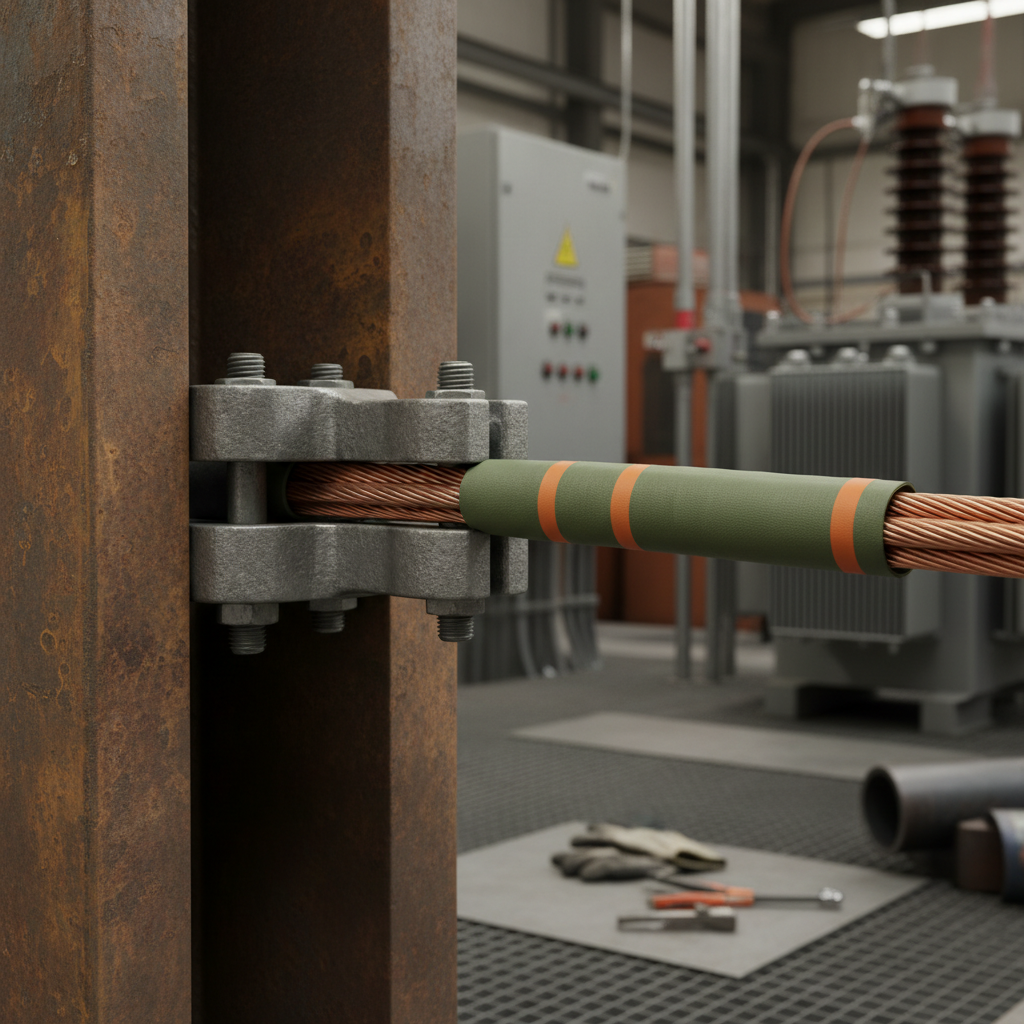
A house earthing wire, also known as a ground wire, is a low-resistance pathway that connects the electrical system of your home to the earth. Its primary function is to provide a safe route for fault current to flow back to the source, tripping the circuit breaker or fuse and disconnecting the power supply. This prevents the build-up of voltage on metallic appliances and structures, which could cause a dangerous electric shock. Without a properly installed and functioning earthing wire, the risk of electrocution and fire significantly increases. It's a vital component, often overlooked, yet paramount for a safe home environment. BiloPowTel provides high-quality earthing solutions for residential and commercial applications.
Key Benefits: Protection against electric shock, prevention of electrical fires, stabilization of voltage levels, and protection of electrical appliances.
Types of House Earthing Wire
Several types of earthing wires are commonly used in residential buildings, each with its own characteristics and suitability. The most common include:
- Copper Wire: The most widely used material due to its excellent conductivity and corrosion resistance.
- Aluminum Wire: While lighter and less expensive than copper, aluminum requires special connectors to prevent oxidation and loosening.
- GI (Galvanized Iron) Wire: Less common today due to lower conductivity and susceptibility to corrosion, but still found in older installations.
The choice of wire material often depends on local regulations, cost considerations, and the overall electrical system design. Copper is generally preferred for its reliability and long-term performance.
Wire Material Comparison:
• Copper: Excellent conductivity, high corrosion resistance, higher cost.
• Aluminum: Lower conductivity, lightweight, lower cost, requires special connectors.
• GI Wire: Lower conductivity, prone to corrosion, lower cost.
House Earthing Wire Size and Selection
Selecting the correct size of earthing wire is critical for ensuring effective protection. The wire size (cross-sectional area) must be adequate to handle the potential fault current without overheating or melting. The appropriate size depends on the current-carrying capacity of the circuit and the length of the wire. Generally, the earthing wire should be at least half the size of the phase (live) wire. Consulting a qualified electrician is highly recommended to determine the correct size for your specific installation.
Installation Best Practices for House Earthing Wire
Proper installation is just as crucial as selecting the right wire. Here are some key guidelines:
- Secure Connections: All connections must be tight and free from corrosion.
- Direct Earth Connection: The earthing wire should be connected directly to the earth electrode (e.g., earth rod, water pipe).
- Avoid Sharp Bends: Minimize sharp bends in the wire to maintain conductivity.
- Professional Installation: Always hire a qualified electrician to perform the installation.
Regularly inspect the earthing system to ensure its continued effectiveness. BiloPowTel provides expert advice and high-quality earthing materials to ensure a safe and compliant installation.
Maintaining Your House Earthing System
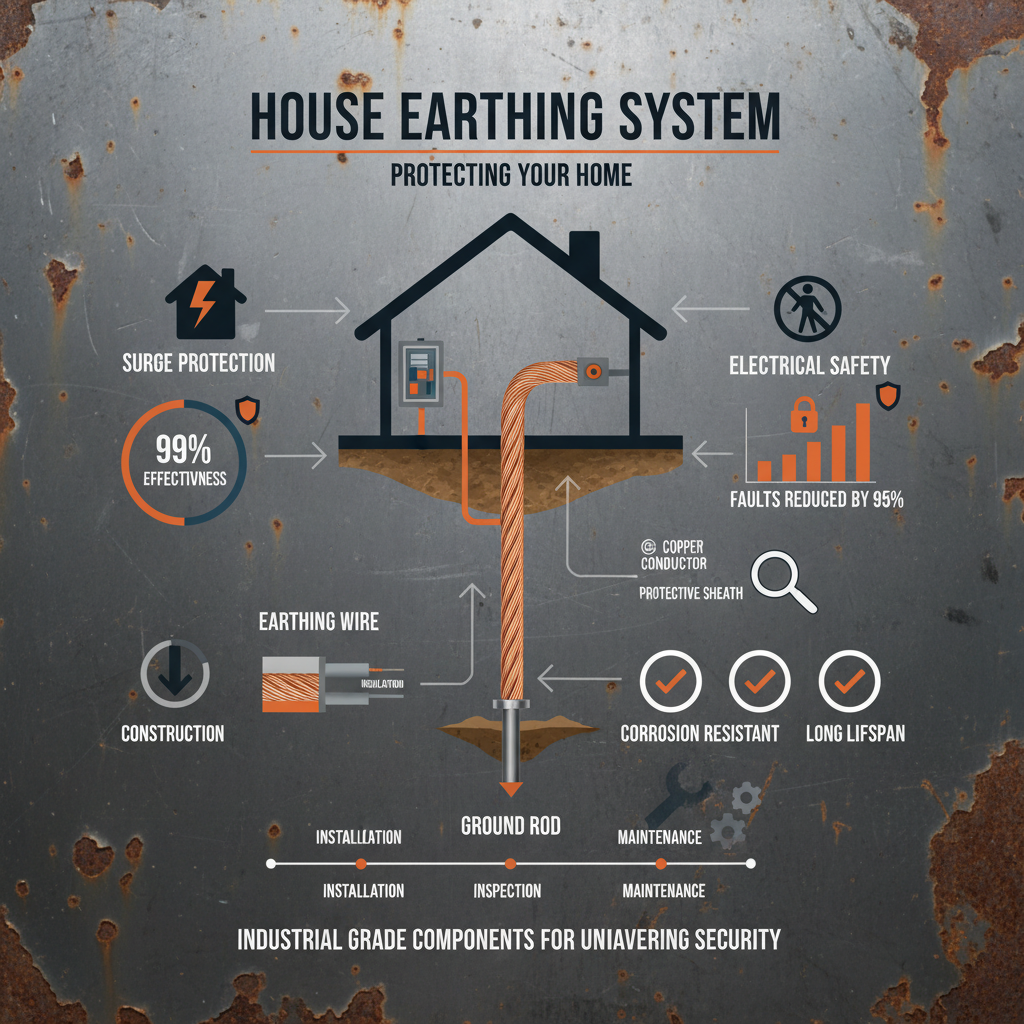
Regular maintenance is essential to ensure the ongoing effectiveness of your earthing system. This includes periodic visual inspections of the wire for any signs of damage or corrosion. It’s also advisable to have the continuity of the earthing system tested by a qualified electrician every few years. Addressing any issues promptly can prevent potential hazards and maintain a safe electrical environment. Proper grounding isn’t a one-time task; it requires ongoing attention and care.
Conclusion: Prioritizing Safety with Reliable Earthing
A properly installed and maintained house earthing wire is a fundamental component of electrical safety. It protects your home and family from potentially life-threatening hazards. Investing in quality materials and professional installation is a wise decision that ensures peace of mind and a safe living environment. Don't compromise on safety – choose reliable earthing solutions from BiloPowTel.
Frequently Asked Questions (FAQs)
What happens if my earthing wire is not functioning properly?
If your earthing wire is not functioning correctly, any fault current will not have a safe path to follow. This means that the metal casing of appliances could become live, posing a severe risk of electric shock if touched. The circuit breaker may not trip, leaving the faulty appliance energized and potentially causing a fire. Regular testing is crucial to ensure functionality. Signs of a faulty earthing system include frequent tripping of the circuit breaker, flickering lights, or a tingling sensation when touching metal appliances.
Can I replace my earthing wire myself?
Replacing an earthing wire is not a DIY project. It involves working with electricity and requires a thorough understanding of electrical codes and safety procedures. Incorrect installation can create a more dangerous situation than having no earthing wire at all. Always hire a qualified and licensed electrician to perform any electrical work, including the replacement of an earthing wire.
How often should I have my earthing system inspected?
It’s generally recommended to have your earthing system inspected by a qualified electrician every few years, or more frequently if you live in an area prone to corrosion or experience frequent electrical issues. During an inspection, the electrician will test the continuity of the earthing wire, check the connections, and verify that the earth resistance is within acceptable limits.
What is Earth Resistance and why is it important?
Earth resistance is the measure of how easily electricity can flow from the earthing electrode (the earth rod) into the ground. Low earth resistance is crucial for effective earthing. A high resistance impedes the flow of fault current, reducing the effectiveness of the earthing system and increasing the risk of electric shock. Ideally, earth resistance should be as low as possible – typically below 5 ohms. Several factors can affect earth resistance, including soil type, moisture content, and the size and depth of the earth electrode.
Latest news
Precision Lifting and Pulling with the Lever Block 0.5 Ton Guide
NewsApr.16,2026
Precision Engineering Guide for High Performance Jet Lever
NewsApr.16,2026
Ultimate Guide to Choosing the Professional Industrial hoist lever
NewsApr.16,2026
Industrial Hoist Lever Chain Guide for Heavy Lifting and Rigging
NewsApr.16,2026
Industrial Lever Hoist Guide for Efficient Lifting and Pulling
NewsApr.16,2026
Ultimate Guide to Hand Ratchet Lift for Heavy Industrial Lifting
NewsApr.16,2026
- CONTACT
- ADDRESS: 188, Fengshou Road, Shijiazhuang. China
- EMAlL: info@bilopowtel.com
- PHONE: 0086-311-88862036
- WHATSAPP: 0086-152-26563165


