



Feb . 25, 2026 01:45 Back to list
Comprehensive Guide to Grounding Cable Yellow Green Safety and Applications
Grounding Cable Yellow Green: A Comprehensive Guide
Grounding cables are essential components in electrical systems, ensuring safety by providing a path for fault currents. Selecting the right cable, including the appropriate color coding, is crucial. This article focuses on grounding cables with yellow and green insulation, their applications, standards, and how Bilopowtel delivers high-quality solutions. Understanding the importance of proper grounding and cable selection is paramount for preventing electrical hazards and ensuring the reliability of your systems.
Why Yellow and Green for Grounding Cables?
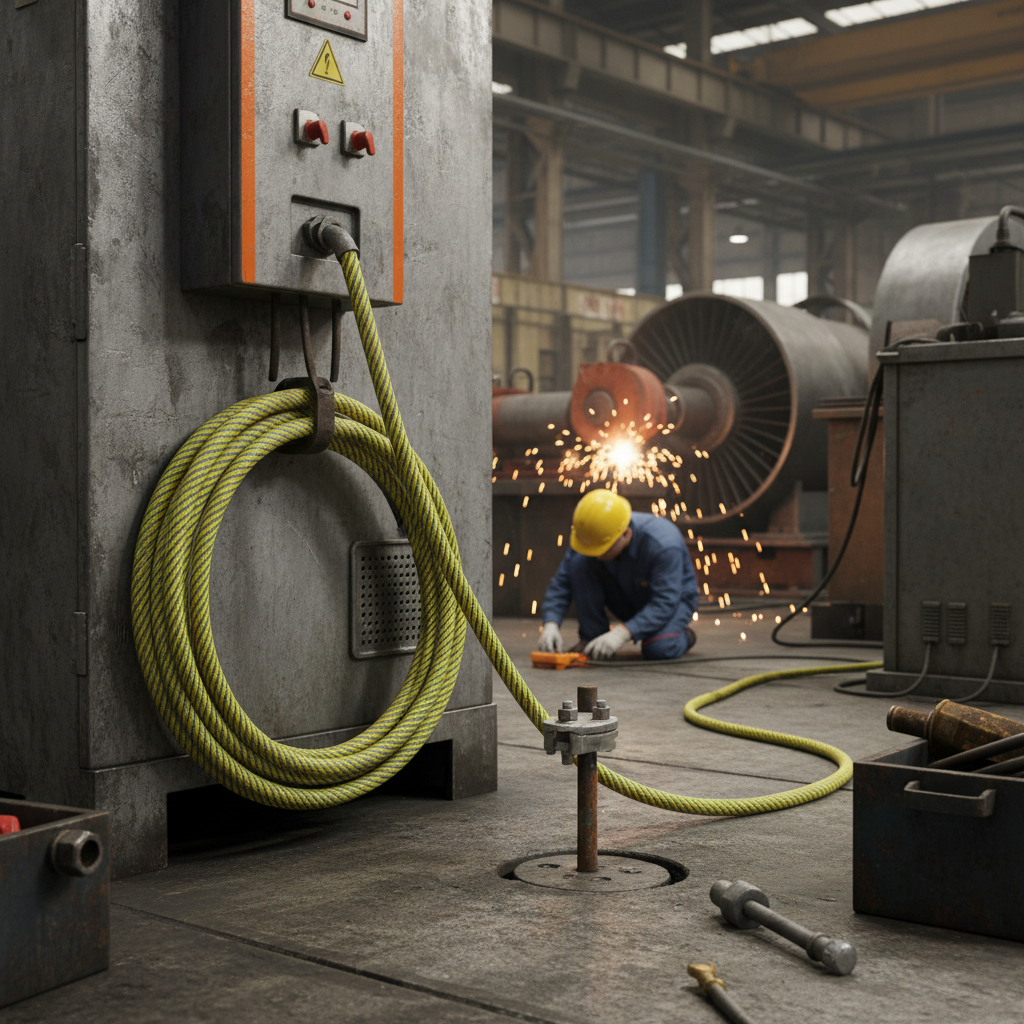
The combination of yellow and green for grounding cables isn't arbitrary. It’s a globally recognized standard based on IEC 60364, the international standard for electrical installations. This color coding system enhances safety by providing immediate visual identification of the grounding conductor. This clear identification minimizes the risk of confusion during installation and maintenance, preventing accidental disconnection or miswiring. The dual coloring ensures visibility even in dimly lit environments, making it a crucial feature for safety. Bilopowtel consistently adheres to these international standards in its manufacturing process.
Key Benefit: The yellow/green color coding significantly reduces the risk of electrical shock by clearly identifying the grounding path.
Applications of Yellow/Green Grounding Cables
Yellow/green grounding cables find extensive use across a wide spectrum of industries. They are vital in residential buildings, commercial structures, and industrial facilities. Specifically, they are employed in electrical panels, machinery grounding, equipment bonding, and lightning protection systems. In data centers, proper grounding is crucial for protecting sensitive electronic equipment from surges and ensuring data integrity. Bilopowtel's grounding cables are designed to meet the stringent requirements of these diverse applications.
Common Applications:
• Electrical Panels
• Machinery Grounding
• Equipment Bonding
• Lightning Protection Systems
Grounding Cable Specifications: A Comparative Look
Different applications necessitate different grounding cable specifications. Factors such as conductor material (copper, aluminum), cross-sectional area (AWG or mm²), and insulation type influence the cable's performance. Copper grounding cables offer superior conductivity, while aluminum cables are more cost-effective. The cross-sectional area dictates the cable's current-carrying capacity, ensuring it can safely handle fault currents. Bilopowtel provides a comprehensive range of grounding cables to suit various needs.
Ensuring Compliance and Quality with Bilopowtel
At Bilopowtel, we prioritize compliance with international standards such as IEC 60364 and UL 467. Our grounding cables undergo rigorous testing to ensure they meet or exceed these standards, guaranteeing reliability and safety. We use high-quality materials and employ advanced manufacturing processes to deliver consistent performance. Our commitment to quality control ensures that every cable leaving our facility is a testament to our dedication to safety.
Choosing the Right Grounding Cable: Key Considerations
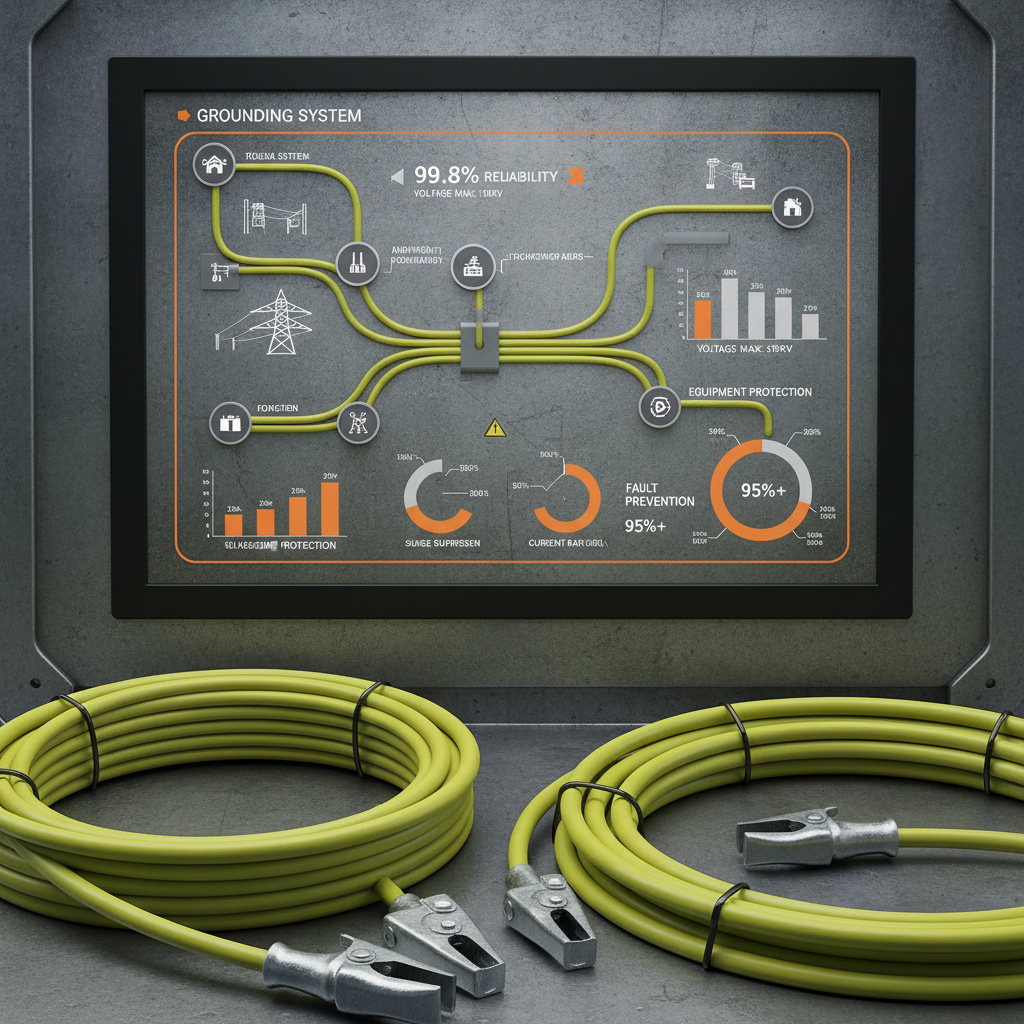
Selecting the optimal grounding cable requires careful consideration of several factors. First, assess the anticipated fault current level to determine the appropriate cable size. Second, consider the environmental conditions, such as temperature and humidity, and choose a cable with suitable insulation. Third, ensure the cable meets all relevant safety standards and regulations. Finally, partner with a reputable supplier like Bilopowtel to guarantee quality and reliability.
Conclusion: Prioritizing Safety with the Right Grounding Solutions
Selecting the correct yellow and green grounding cable is paramount for electrical safety. Bilopowtel offers a comprehensive range of high-quality, compliant grounding cables to meet your specific needs. Investing in reliable grounding solutions safeguards your equipment, protects personnel, and ensures the long-term integrity of your electrical systems. Don’t compromise on safety – choose Bilopowtel.
Frequently Asked Questions (FAQs)
What is the minimum recommended size for a grounding cable?
The minimum size depends on the system's fault current and the length of the cable run. Generally, a minimum of 10 AWG copper wire is recommended for most residential applications. However, for larger systems or longer runs, a larger gauge may be required to ensure adequate current-carrying capacity and minimize voltage drop. Always consult electrical codes and a qualified electrician to determine the appropriate size for your specific application. Bilopowtel offers expert advice to assist in selecting the correct cable size.
Can aluminum grounding cables be used in corrosive environments?
While aluminum is generally more cost-effective, it's more susceptible to corrosion than copper. In corrosive environments, such as those exposed to salt water or harsh chemicals, aluminum grounding cables should be coated with a protective layer to prevent corrosion. Alternatively, copper grounding cables are a more durable and reliable option for these applications. Bilopowtel offers aluminum cables with specialized coatings for enhanced corrosion resistance.
What are the potential consequences of using an improperly sized grounding cable?
Using an undersized grounding cable can lead to overheating, voltage drop, and even electrical fires during a fault condition. An improperly sized cable may not be able to safely carry the fault current, resulting in damage to equipment and posing a serious safety hazard. Conversely, an oversized cable may be unnecessarily expensive. Ensuring the correct cable size is crucial for maintaining the integrity and safety of your electrical system. Bilopowtel provides guidance on cable sizing to prevent these issues.
How often should grounding cables be inspected?
Grounding cables should be visually inspected at least annually, and more frequently in harsh environments. Look for signs of corrosion, damage to the insulation, or loose connections. Any damaged or corroded cables should be replaced immediately. Regular inspection and maintenance are essential for ensuring the continued effectiveness of the grounding system and preventing potential hazards. Bilopowtel recommends incorporating grounding cable inspection into your routine maintenance schedule.
Latest news
Precision Lifting and Pulling with the Lever Block 0.5 Ton Guide
NewsApr.16,2026
Precision Engineering Guide for High Performance Jet Lever
NewsApr.16,2026
Ultimate Guide to Choosing the Professional Industrial hoist lever
NewsApr.16,2026
Industrial Hoist Lever Chain Guide for Heavy Lifting and Rigging
NewsApr.16,2026
Industrial Lever Hoist Guide for Efficient Lifting and Pulling
NewsApr.16,2026
Ultimate Guide to Hand Ratchet Lift for Heavy Industrial Lifting
NewsApr.16,2026
- CONTACT
- ADDRESS: 188, Fengshou Road, Shijiazhuang. China
- EMAlL: info@bilopowtel.com
- PHONE: 0086-311-88862036
- WHATSAPP: 0086-152-26563165


