



Mar . 14, 2026 01:45 Back to list
Comprehensive Guide to Ground Rods for Electrical Panel Safety and Installation
Understanding Ground Rods for Electrical Panels: A Comprehensive Guide
Ensuring the safety and reliability of your electrical system is paramount. A crucial component often overlooked is the ground rod for electrical panel. This seemingly simple device plays a vital role in protecting your property and occupants from electrical hazards. This article will explore the function, types, installation, and maintenance of ground rods, providing you with the knowledge to make informed decisions. Proper grounding minimizes the risk of electrical shock and damage to sensitive electronic equipment.
What is a Ground Rod and Why is it Important?
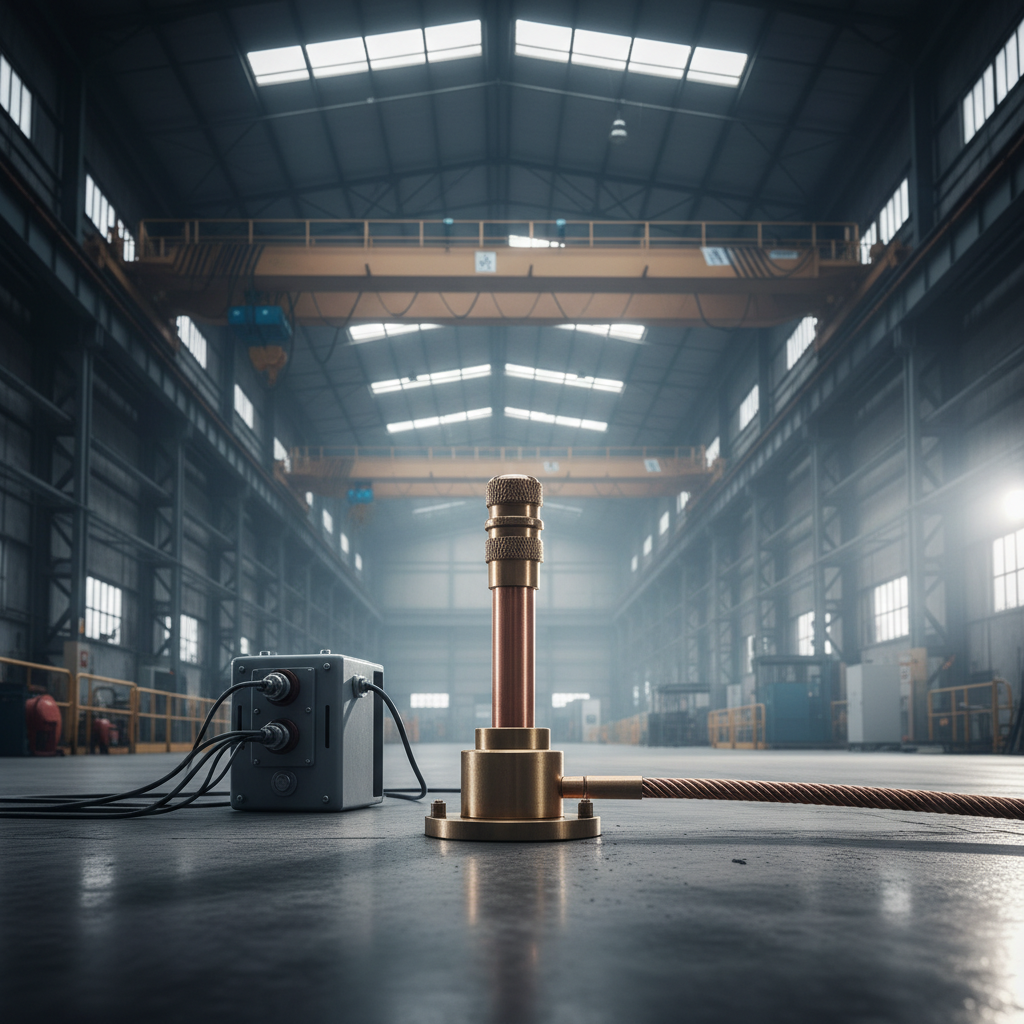
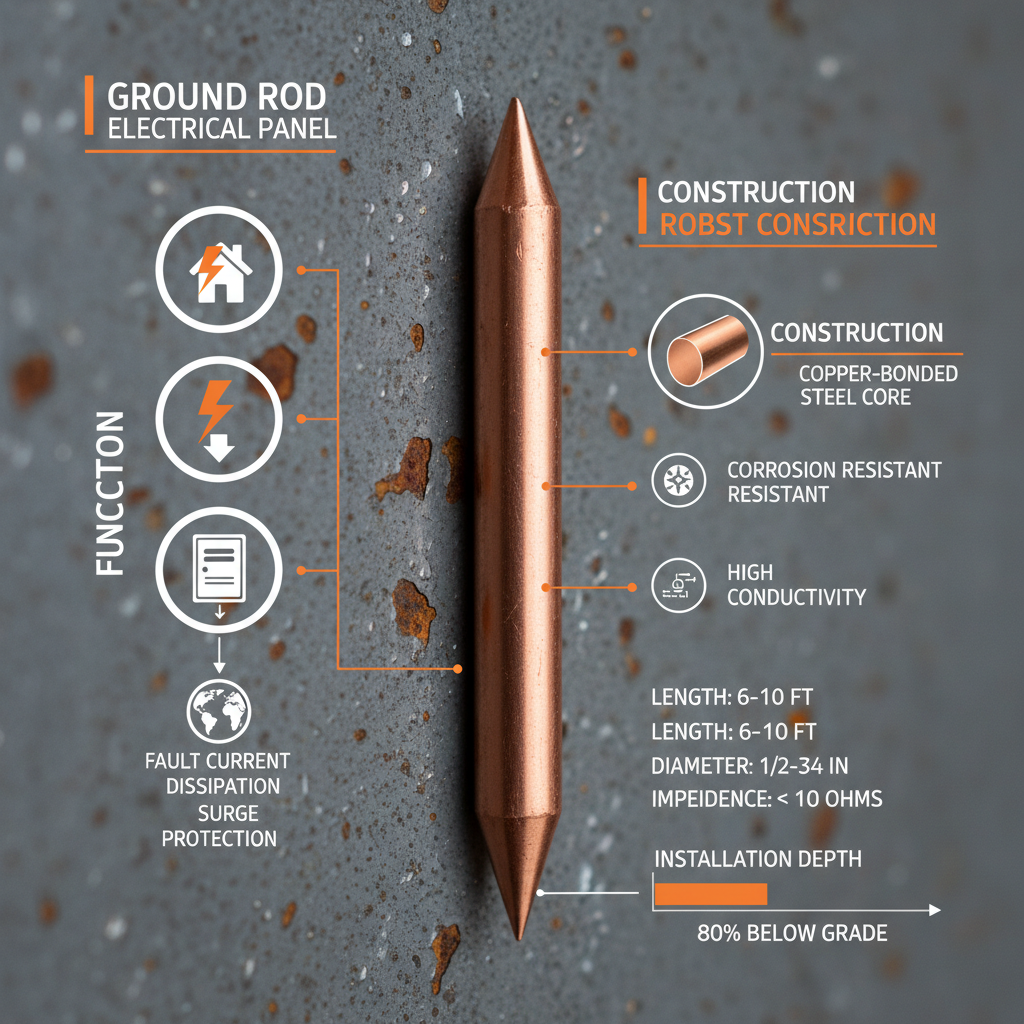
A ground rod, also known as an earthing rod, is a metal rod driven into the earth to create a low-resistance pathway for electrical current to flow in the event of a fault. Its primary purpose is to safely divert excess electricity, such as from a lightning strike or a short circuit, into the ground. This prevents voltage build-up that could cause electrical shock, fire, or damage to appliances. Without a properly installed ground rod, your electrical system is vulnerable. The rod provides a critical connection to the earth, allowing fault currents to dissipate safely.
Key Takeaway: A ground rod acts as a safety valve for your electrical system, diverting dangerous currents away from people and property.
Types of Ground Rods for Electrical Panels
Ground rods come in various materials, each with its own advantages and disadvantages. The most common types include:
- Copper-Clad Steel: A steel core surrounded by a layer of copper. This provides a good balance of strength and conductivity and is a cost-effective option.
- Galvanized Steel: A steel rod coated with zinc to prevent corrosion. While less conductive than copper-clad steel, it’s more affordable.
- Solid Copper: The most conductive material, but also the most expensive. Ideal for areas with high soil resistance.
The choice of ground rod material depends on your local soil conditions, budget, and code requirements. BiloPowTel offers a variety of ground rods to suit different needs.
Ground Rod Installation Best Practices
Proper installation is crucial for the effectiveness of a ground rod. Here are some key best practices:
- Depth: The ground rod should be driven at least 8 feet into the ground.
- Spacing: Multiple ground rods should be spaced at least 6 feet apart.
- Connections: Use approved grounding clamps and connectors to securely connect the ground wire to the rod.
- Soil Condition: If the soil is dry or rocky, consider using a grounding electrode conductor to enhance conductivity.
Installation Tips:
• Use a ground rod driver to easily and safely drive the rod into the ground.
• Ensure the connection between the ground wire and rod is tight and corrosion-resistant.
• Follow all local electrical codes and regulations.
Comparing Ground Rod Materials: Performance & Cost
Choosing the right ground rod material depends on your specific needs and budget. The following table compares the key features of the most common types:
Ground Rod Maintenance and Inspection
Regular inspection of your ground rod system is essential. Check for corrosion, loose connections, and damage to the rod itself. Periodically test the ground resistance to ensure it remains within acceptable limits. If you notice any issues, address them promptly to maintain the safety of your electrical system. Consult a qualified electrician for any repairs or replacements.
Conclusion: Protecting Your Investment with Proper Grounding
Investing in a quality ground rod for electrical panel and ensuring its proper installation and maintenance is a vital step in protecting your property and ensuring the safety of those who rely on your electrical system. Don't compromise on this critical component – choose reliability and peace of mind with BiloPowTel.
Frequently Asked Questions (FAQs)
How often should I inspect my ground rod system?
It's recommended to visually inspect your ground rod system at least once a year. During the inspection, check for signs of corrosion, loose connections, and any physical damage to the rod. A more thorough ground resistance test should be performed every few years, or whenever there's a change in your electrical system or surrounding environment. Regular inspections can identify potential problems before they become serious safety hazards. Early detection and maintenance can significantly extend the lifespan of your grounding system and ensure its continued effectiveness.
What is considered a safe ground resistance reading?
A safe ground resistance reading typically falls below 25 ohms, as specified by the National Electrical Code (NEC). However, the ideal resistance depends on various factors, including the type of electrical system and local regulations. Some areas may require even lower resistance readings. If your ground resistance is higher than 25 ohms, it indicates a potential problem that needs to be addressed. Possible solutions include adding additional ground rods, improving soil conductivity, or installing a grounding electrode conductor.
Can I install a ground rod myself?
While it's technically possible to install a ground rod yourself, it's generally recommended to hire a qualified and licensed electrician. Improper installation can compromise the effectiveness of the grounding system and create a safety hazard. Electricians have the necessary knowledge, tools, and experience to ensure the ground rod is installed correctly and in compliance with local electrical codes. They can also perform ground resistance testing to verify its performance.
Latest news
Precision Lifting and Pulling with the Lever Block 0.5 Ton Guide
NewsApr.16,2026
Precision Engineering Guide for High Performance Jet Lever
NewsApr.16,2026
Ultimate Guide to Choosing the Professional Industrial hoist lever
NewsApr.16,2026
Industrial Hoist Lever Chain Guide for Heavy Lifting and Rigging
NewsApr.16,2026
Industrial Lever Hoist Guide for Efficient Lifting and Pulling
NewsApr.16,2026
Ultimate Guide to Hand Ratchet Lift for Heavy Industrial Lifting
NewsApr.16,2026
- CONTACT
- ADDRESS: 188, Fengshou Road, Shijiazhuang. China
- EMAlL: info@bilopowtel.com
- PHONE: 0086-311-88862036
- WHATSAPP: 0086-152-26563165


