



Mar . 14, 2026 01:45 Back to list
Choosing the Right Ground Rod for Sub Panel Installation and Safety Considerations
Choosing the Right Ground Rod for Your Sub Panel: A Comprehensive Guide
Installing a sub panel is a great way to expand your electrical capacity, but it’s crucial to prioritize safety. A properly grounded sub panel is essential for preventing electrical shocks and protecting your home and family. This article will explore the importance of ground rods for sub panels, outlining the different types, installation best practices, and factors to consider when making your selection. Understanding these aspects will ensure a safe and compliant electrical system.
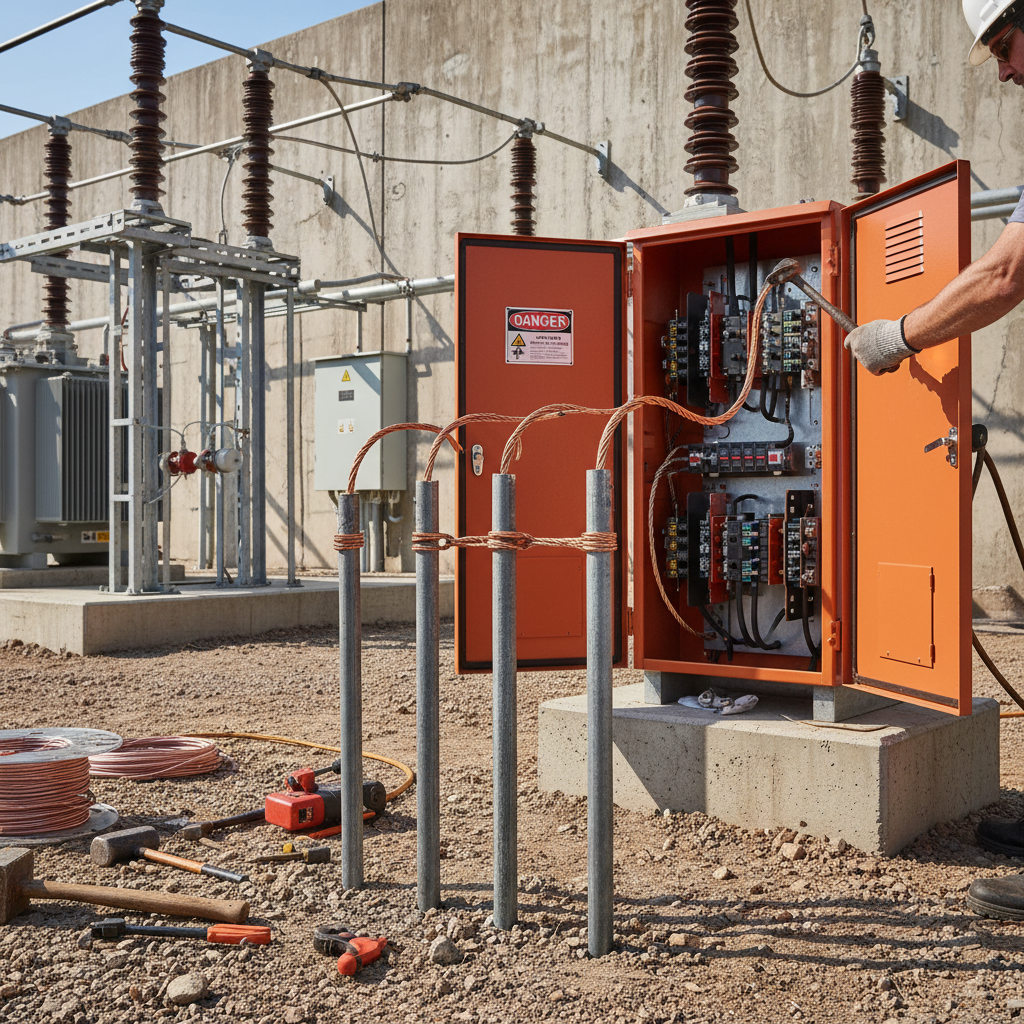
Why is a Ground Rod Important for a Sub Panel?
The purpose of grounding is to provide a low-resistance path for electrical current to flow back to the source in the event of a fault. A ground rod, driven into the earth, acts as that connection. For a sub panel, a dedicated ground rod is often required because the main panel's grounding system may not adequately extend to the sub panel's location. Without proper grounding, a fault in the sub panel could energize the panel enclosure, creating a serious shock hazard. Local electrical codes mandate specific grounding requirements for sub panels, and adherence to these codes is paramount for safety and legal compliance.
Key Takeaway: Proper grounding safeguards against electrical shock, prevents damage to electrical equipment, and ensures compliance with electrical codes.
Types of Ground Rods Available
Several types of ground rods are available, each with its own advantages and disadvantages. The most common include:
- Copper-Clad Steel Rods: These are the most popular choice due to their affordability and effectiveness. They consist of a steel core coated with copper for conductivity.
- Solid Copper Rods: Offer superior conductivity but are significantly more expensive than copper-clad steel.
- Galvanized Steel Rods: Less conductive than copper or copper-clad steel and generally not recommended for grounding electrical systems.
- Grounding Rods with Pointed Tips: Designed for easier driving into the ground, particularly in rocky or hard-packed soil.
Comparing Ground Rod Materials: Performance and Cost
Choosing the right material for your ground rod for sub panel depends on your budget and soil conditions. Here's a comparison table:
Installation Best Practices
Correct installation is just as important as choosing the right ground rod. Here are key steps:
- Rod Length: The ground rod should be at least 8 feet long.
- Driving Depth: Drive the rod fully into the ground, leaving only a few inches exposed.
- Spacing: If multiple ground rods are needed, space them at least 6 feet apart.
- Connection: Use approved grounding clamps and connectors to securely connect the ground wire to the rod.
- Soil Conditions: In rocky or dry soil, consider using a chemical ground rod to improve conductivity.
Finding the Right Ground Rods at Bilopowtel
At Bilopowtel, we offer a comprehensive selection of high-quality ground rods suitable for sub panel installations. We carry copper-clad steel rods in various lengths, along with the necessary clamps and connectors to ensure a safe and reliable grounding system. Our team of experts can help you determine the appropriate ground rod size and type for your specific application and local electrical code requirements. We are committed to providing the best products and support for all your electrical needs.
Conclusion: Ensuring a Safe and Compliant Electrical System
Choosing the right ground rod for your sub panel and installing it correctly is a vital step in maintaining a safe and compliant electrical system. By understanding the different types of ground rods, their benefits, and proper installation techniques, you can protect your home and family from potential electrical hazards. Don't compromise on safety – choose quality products from Bilopowtel and ensure a secure electrical setup.
Frequently Asked Questions (FAQs)
How deep should a ground rod be driven?
Typically, a ground rod should be driven at least 8 feet into the ground. This depth ensures sufficient contact with the earth to provide a low-resistance path for electrical current. In some cases, local electrical codes may require even greater depths, especially in areas with rocky or dry soil. It's crucial to consult your local codes and a qualified electrician to determine the appropriate depth for your specific location.
Can I use multiple ground rods?
Yes, you can and often should use multiple ground rods, especially if the soil has high resistance. When using multiple rods, they must be spaced at least 6 feet apart. Connecting multiple rods provides a lower overall resistance to ground, improving the effectiveness of the grounding system. A qualified electrician can assess your soil conditions and determine the optimal number and configuration of ground rods for your sub panel.
What is a ground ring and when is it used?
A ground ring consists of a continuous bare copper conductor encircling the building or structure and connected to the grounding electrode system, including ground rods. It's typically used when the soil resistivity is high or when a single ground rod is insufficient to achieve the required grounding resistance. A ground ring helps distribute the grounding current over a larger area, improving the overall effectiveness of the grounding system. It is often required by local codes in specific situations.
Latest news
Precision Lifting and Pulling with the Lever Block 0.5 Ton Guide
NewsApr.16,2026
Precision Engineering Guide for High Performance Jet Lever
NewsApr.16,2026
Ultimate Guide to Choosing the Professional Industrial hoist lever
NewsApr.16,2026
Industrial Hoist Lever Chain Guide for Heavy Lifting and Rigging
NewsApr.16,2026
Industrial Lever Hoist Guide for Efficient Lifting and Pulling
NewsApr.16,2026
Ultimate Guide to Hand Ratchet Lift for Heavy Industrial Lifting
NewsApr.16,2026
- CONTACT
- ADDRESS: 188, Fengshou Road, Shijiazhuang. China
- EMAlL: info@bilopowtel.com
- PHONE: 0086-311-88862036
- WHATSAPP: 0086-152-26563165


