



Feb . 28, 2026 01:45 Back to list
Understanding Electric Fence Ground Rods for Optimal Performance and Safety
Understanding Electric Fence Ground Rods: A Comprehensive Guide
Electric fences are a vital component of livestock management and perimeter security, offering an effective deterrent against animals and potential intruders. However, the effectiveness of an electric fence isn't solely reliant on the charger and wiring; a properly installed electric fence ground rod is absolutely crucial. This article delves into the importance of ground rods, how to choose the right one, installation best practices, troubleshooting common issues, and ensuring optimal performance for your electric fence system. Without a proper ground, your electric fence is significantly less effective and potentially unsafe.
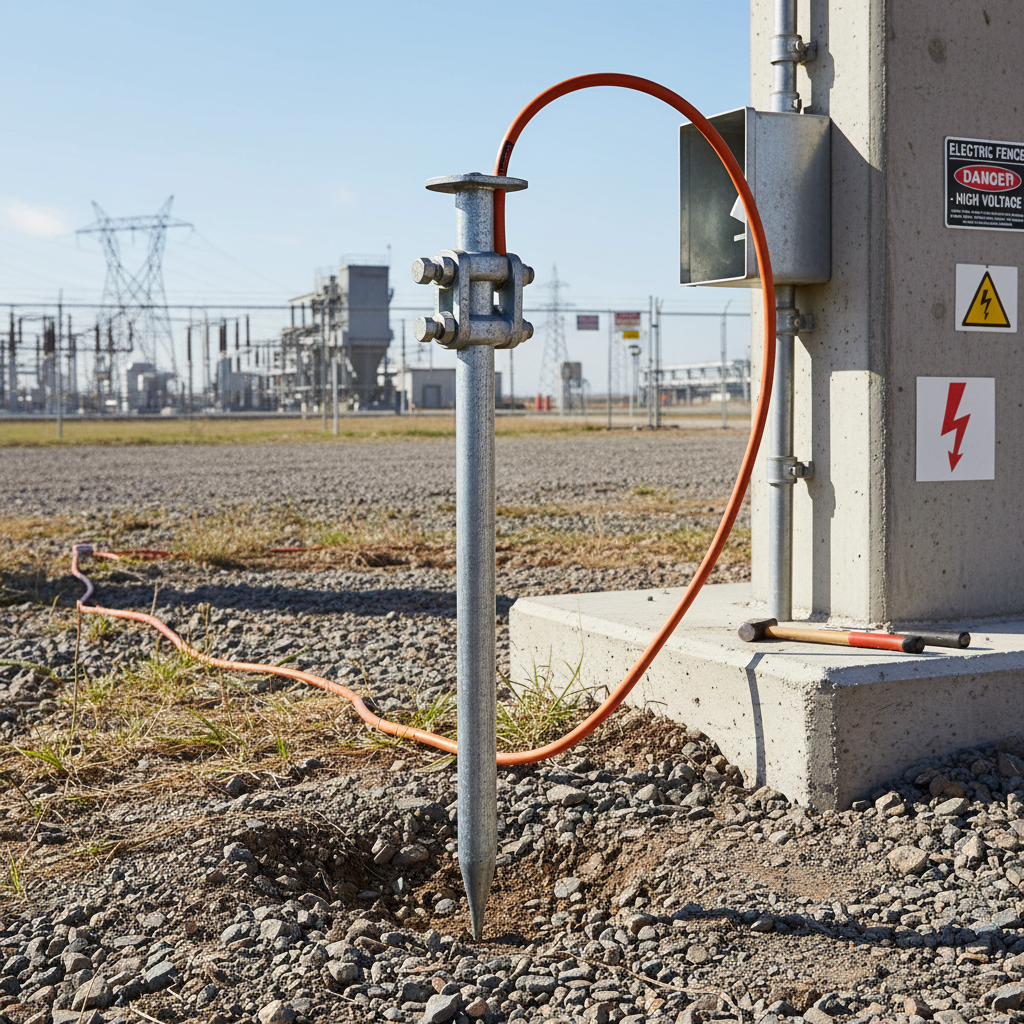
Why is a Ground Rod Essential for Electric Fences?
An electric fence works by delivering a brief, but memorable, electrical shock. This shock isn't generated by the fence wire itself, but by completing a circuit from the fence wire, through the animal (or intruder), and back to the fence charger through the earth. The ground rod acts as the return path for this electrical current. Without a solid connection to the earth via the ground rod, the electricity can't flow, and the fence won't deliver an effective shock. A poor ground significantly reduces the voltage reaching the fence wire, making it ineffective. It's also a safety concern, as stray voltage can build up if the circuit isn't properly grounded. A properly grounded system ensures the fence delivers consistent, safe, and effective shocks.
Key Takeaway: The ground rod is not optional; it's a fundamental component of a functional and safe electric fence system.
Choosing the Right Electric Fence Ground Rod
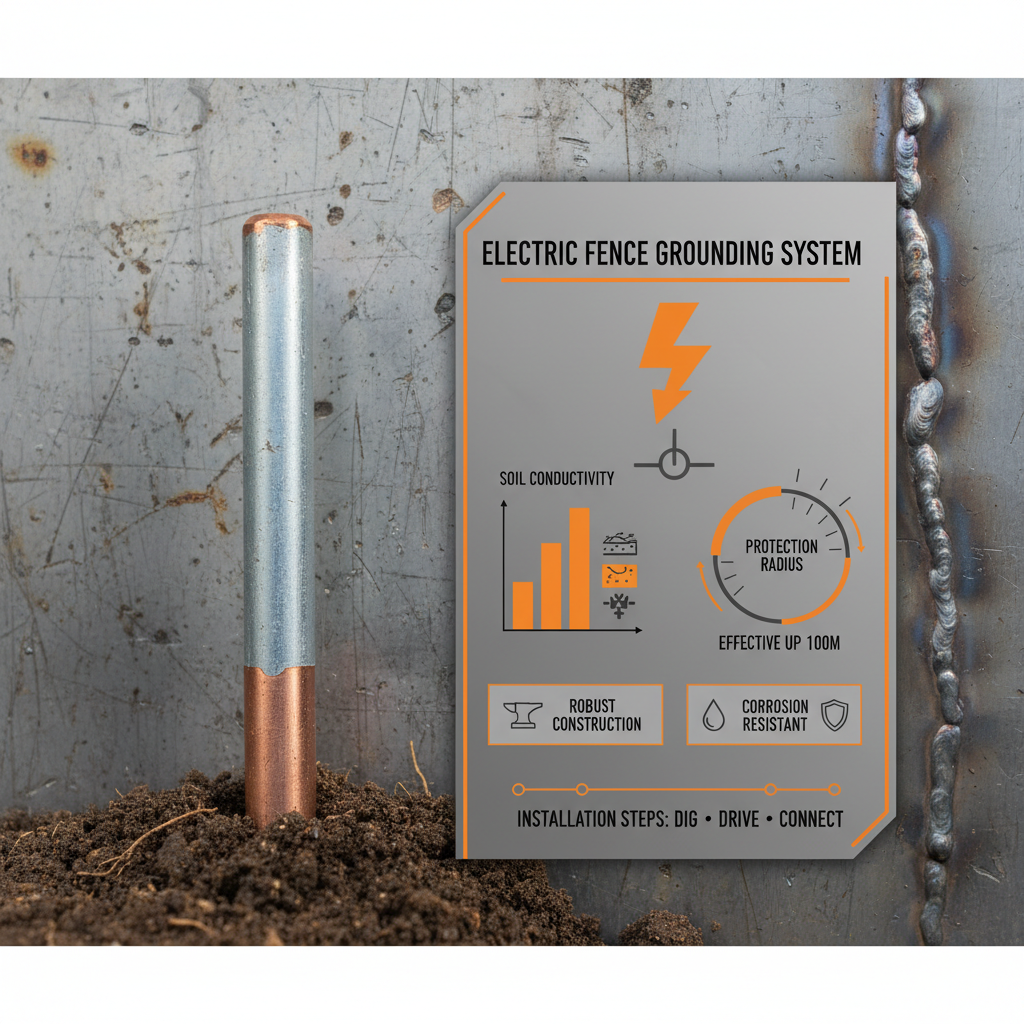
Ground rods come in various materials and lengths. Copper and copper-clad steel are the most common options. Copper is an excellent conductor, but it's also more expensive. Copper-clad steel rods offer a good balance of conductivity and affordability. The length of the ground rod is crucial – it needs to reach moist soil for optimal grounding. As a general rule, a minimum of 6-8 feet is recommended, but in dry or sandy areas, longer rods (10 feet or more) may be necessary. The diameter of the rod also matters; a thicker rod provides a larger surface area for grounding. Consider the type of soil and the power of your fence charger when selecting a ground rod.
Ground Rod Considerations:
• Material: Copper or Copper-Clad Steel
• Length: Minimum 6-8 feet, longer for dry climates.
• Diameter: Thicker rods offer better grounding.
• Soil Type: Adjust length based on soil moisture and composition.
Electric Fence Ground Rod Installation Best Practices
Proper installation is just as important as choosing the right ground rod. Select a location as close as possible to the fence charger. The soil should be consistently moist. If the soil is dry, water the area thoroughly before and during installation. Drive the ground rod completely into the ground, leaving only a small portion exposed for connection. Use a grounding clamp to securely connect the ground wire from the fence charger to the ground rod. Avoid using galvanized connectors, as they can corrode and reduce conductivity. It’s also a good idea to install multiple ground rods, spaced at least 6-8 feet apart, and connected together with grounding wire, especially for longer fences or high-powered chargers.
Ground Rod Materials: Copper vs. Copper-Clad Steel
When choosing between copper and copper-clad steel, understanding their differences is key. Copper is an exceptionally good conductor of electricity and is highly resistant to corrosion. However, it's also more expensive and can be susceptible to theft in some areas. Copper-clad steel rods offer a cost-effective alternative. They consist of a steel core coated with a layer of copper, providing good conductivity at a lower price point. While the steel core isn’t as conductive as pure copper, the copper cladding ensures efficient grounding. Here's a quick comparison:
Troubleshooting Grounding Issues
If your electric fence isn't delivering a consistent shock, a grounding issue is often the culprit. Check the connection between the ground wire and the ground rod to ensure it's clean and tight. Test the voltage at the fence wire – it should be at least 2,000 volts for effective control. If the voltage is low, try adding additional ground rods. In very dry conditions, periodically water the area around the ground rod to maintain conductivity. A simple ground test kit can help you assess the effectiveness of your grounding system.
Conclusion: Ensuring Effective and Safe Electric Fencing
A properly installed and maintained electric fence ground rod is the cornerstone of a successful electric fencing system. By understanding the importance of grounding, choosing the right materials, and following best practices for installation and troubleshooting, you can ensure a safe, effective, and reliable fence that protects your livestock or property. Don’t underestimate the power of a good ground!
Frequently Asked Questions (FAQs)
How many ground rods do I need for my electric fence?
The number of ground rods depends on several factors, including the length of your fence, the power of your charger, and the soil conditions. As a general rule, a minimum of one ground rod is recommended for fences up to a mile long. However, for longer fences, sandy or dry soils, or high-powered chargers, multiple ground rods spaced 6-8 feet apart are highly recommended. Connecting multiple ground rods together with grounding wire significantly improves the overall grounding effectiveness.
What is the best way to test my ground rod?
A simple way to test your ground rod is to use a voltmeter. Drive a separate ground stake into the earth a few feet away from the ground rod. Set your voltmeter to measure AC voltage and connect one lead to the ground rod and the other to the ground stake. A reading of 0 volts indicates a good ground connection. You can also use a dedicated ground test kit, which provides a more accurate and detailed assessment of your grounding system. The kit measures the resistance of the ground, providing a clearer indication of its effectiveness.
Can I use galvanized pipe as a ground rod?
While galvanized pipe can be used as a ground rod in a pinch, it's not recommended. Galvanized steel is not as conductive as copper or copper-clad steel, and it's prone to corrosion over time, which will reduce its effectiveness. Corrosion can also create a higher resistance, potentially leading to voltage leakage and safety concerns. Using a dedicated copper or copper-clad steel ground rod is always the best choice for optimal performance and longevity.
How often should I inspect my ground rod?
You should inspect your ground rod at least once a year, and ideally more often, especially after periods of heavy rain or drought. Check the connection between the ground wire and the rod to ensure it’s clean and tight. Look for any signs of corrosion on the rod or the connector. If you notice any damage, replace the rod or connector immediately. Regular inspection and maintenance will help ensure your electric fence remains effective and safe.
Latest news
Precision Lifting and Pulling with the Lever Block 0.5 Ton Guide
NewsApr.16,2026
Precision Engineering Guide for High Performance Jet Lever
NewsApr.16,2026
Ultimate Guide to Choosing the Professional Industrial hoist lever
NewsApr.16,2026
Industrial Hoist Lever Chain Guide for Heavy Lifting and Rigging
NewsApr.16,2026
Industrial Lever Hoist Guide for Efficient Lifting and Pulling
NewsApr.16,2026
Ultimate Guide to Hand Ratchet Lift for Heavy Industrial Lifting
NewsApr.16,2026
- CONTACT
- ADDRESS: 188, Fengshou Road, Shijiazhuang. China
- EMAlL: info@bilopowtel.com
- PHONE: 0086-311-88862036
- WHATSAPP: 0086-152-26563165


