



Feb . 26, 2026 01:45 Back to list
A Comprehensive Guide to Red Twin and Earth Cable for Safe Installations
Understanding Red Twin and Earth Cable: A Comprehensive Guide
Red twin and earth cable is a common type of electrical cable used in a wide range of applications, particularly in domestic wiring and lighting circuits. Its distinctive color coding—red, black, and bare earth—helps ensure safe and correct installation. This article will delve into the characteristics, applications, safety considerations, and sourcing options for red twin and earth cable, providing a comprehensive resource for electricians, DIY enthusiasts, and anyone interested in electrical installations. Understanding these cables is crucial for compliant and safe electrical work.
What is Red Twin and Earth Cable?
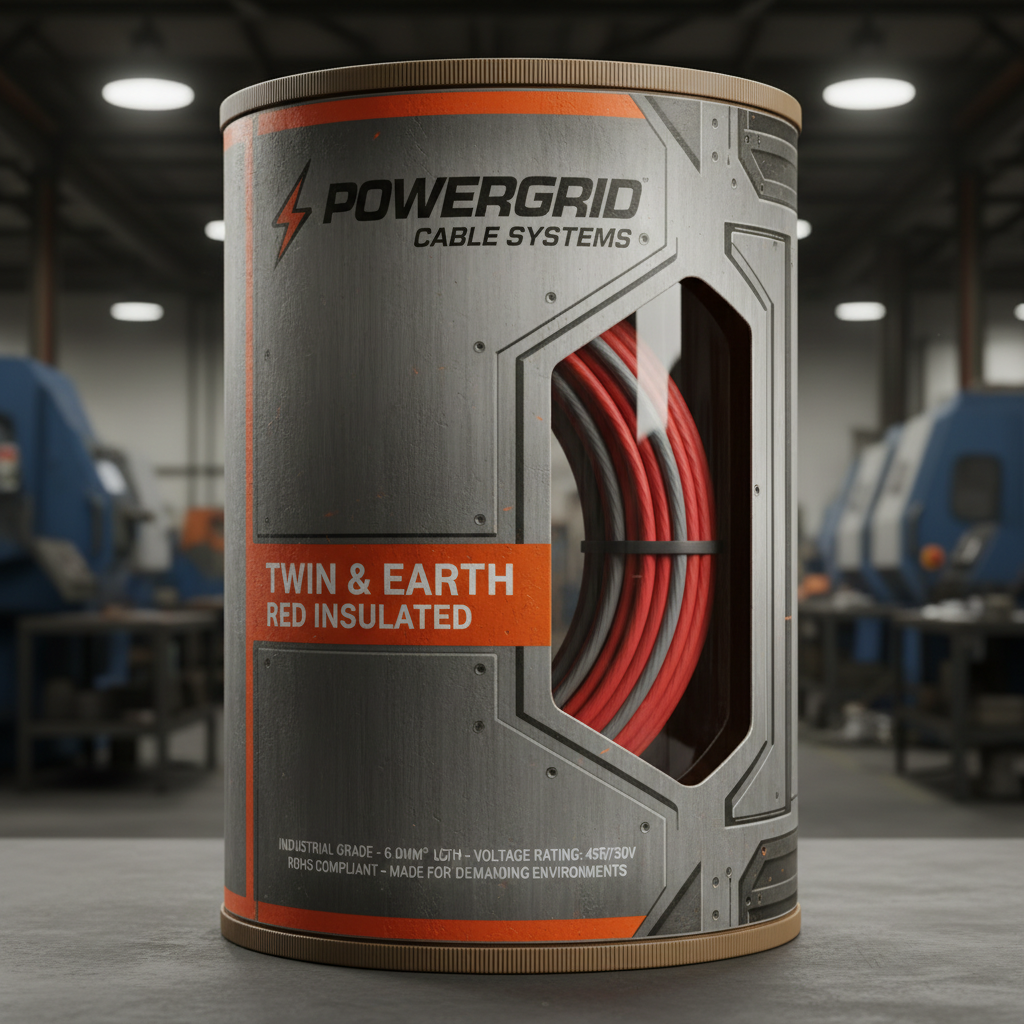
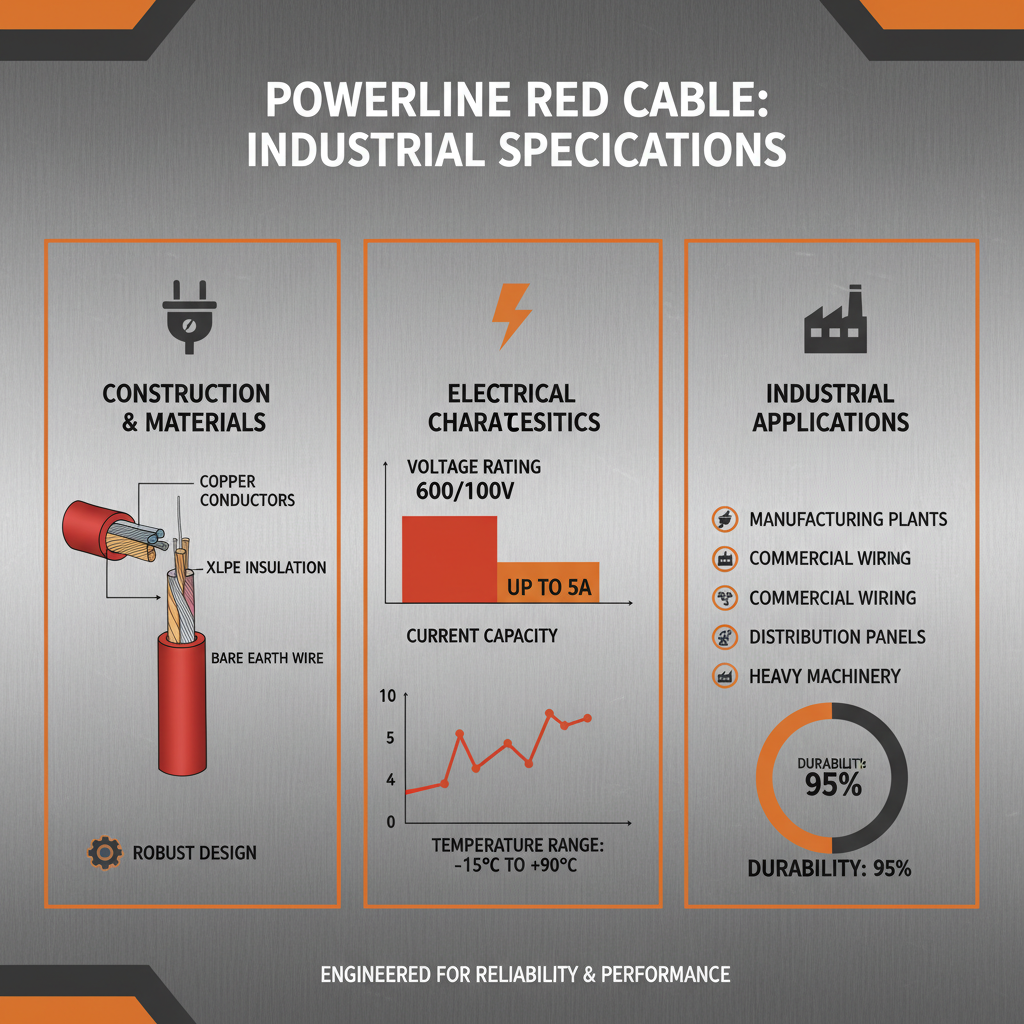
Red twin and earth cable consists of three conductors: a red (live) wire, a black (neutral) wire, and a bare earth (ground) wire. It's typically constructed with copper conductors for excellent conductivity, and the wires are insulated with PVC to prevent short circuits and ensure user safety. The "twin and earth" designation refers to the two insulated conductors plus the earth wire. This type of cable is usually available in various core sizes (measured in square millimeters) to accommodate different current-carrying requirements. Bilo Powtel provides a wide range of sizes to suit various applications.
Key Features: Copper conductors, PVC insulation, color-coded for safety, available in various core sizes.
Applications of Red Twin and Earth Cable
Red twin and earth cable is incredibly versatile and finds uses in many electrical installations. Common applications include wiring lighting circuits, connecting sockets and switches, powering appliances, and extending electrical supplies to outbuildings. It's particularly suitable for domestic installations due to its ease of use and relatively low cost. It's often used for ring circuits in homes, offering a flexible and reliable power distribution solution. It’s important to select the correct cable size for the intended load to avoid overheating and potential fire hazards.
Common Applications:
• Lighting Circuits
• Socket Outlets & Switches
• Appliance Connections
• Outbuilding Power Supply
Red Twin and Earth Cable Sizes: Choosing the Right One
Selecting the correct cable size is paramount for safe and efficient electrical installations. Cable size is determined by the current-carrying capacity needed for the circuit. Common sizes include 1.0mm², 1.5mm², 2.5mm², and 4.0mm². 1.0mm² is typically used for lighting circuits, while 1.5mm² is suitable for low-power appliances. 2.5mm² is generally used for socket outlets and higher-power appliances, and 4.0mm² or larger is used for high-demand circuits such as electric cookers or showers. Always consult the relevant electrical regulations and a qualified electrician to ensure the correct cable size is used for your specific application. Bilo Powtel provides detailed specifications for each cable size.
Safety Considerations When Working with Red Twin and Earth Cable
Working with electrical cables always involves risks. Before commencing any electrical work, it’s essential to switch off the power supply at the consumer unit and verify it's isolated using a suitable voltage tester. Ensure you are competent to carry out the work, and if not, hire a qualified electrician. Always use appropriate personal protective equipment (PPE), such as insulated gloves and safety glasses. Inspect the cable for any damage before use, and avoid bending it excessively. Incorrectly installed cables can lead to overheating, short circuits, and potentially fatal electric shocks. Always adhere to the latest wiring regulations.
Sourcing Quality Red Twin and Earth Cable
When purchasing red twin and earth cable, it's crucial to choose a reputable supplier to ensure quality and compliance with safety standards. Bilo Powtel offers a comprehensive range of BS6500 compliant cables, ensuring they meet stringent safety requirements. Look for cables with clear markings indicating the cable size and voltage rating. Avoid purchasing from unverified sources, as counterfeit or substandard cables can pose a significant safety risk. Prioritizing quality will give you peace of mind and ensure a safe and reliable electrical installation.
Conclusion: Safety and Reliability with Red Twin and Earth Cable
Choosing the right red twin and earth cable is essential for safe and efficient electrical installations. Understanding its applications, selecting the appropriate size, and prioritizing safety are crucial steps. By sourcing high-quality cables from a reputable supplier like Bilo Powtel, you can ensure a reliable and compliant electrical system.
Frequently Asked Questions (FAQs)
What is the difference between twin and earth and other types of cable?
Twin and earth cable specifically refers to a cable with two core wires (live and neutral) plus an earth wire. Other cable types, such as single core cable, have only one insulated conductor, making them suitable for specific applications like extending circuits. Multi-core and armoured cables are also available, offering different levels of protection and flexibility. The key difference lies in the number of conductors and the level of protection they provide. Twin and earth is typically favoured for domestic wiring due to its convenience and cost-effectiveness.
Can I use red twin and earth cable outdoors?
While red twin and earth cable can be used outdoors, it's not ideal for prolonged exposure to direct sunlight or harsh weather conditions. UV radiation can degrade the PVC insulation over time, reducing its effectiveness. For outdoor applications, it’s recommended to use UV-resistant cable specifically designed for external use or to protect the cable with conduit. Ensure any outdoor connections are weatherproofed to prevent water ingress and corrosion.
What does BS6500 mean in relation to red twin and earth cable?
BS6500 is a British Standard that specifies the requirements for PVC insulated cables of voltage up to and including 1100V. Cables marked with BS6500 certification have undergone rigorous testing to ensure they meet specific safety and performance criteria, including flame retardancy, insulation resistance, and conductor resistance. Choosing BS6500 compliant cable ensures you are using a product that meets recognized safety standards and is suitable for its intended application. Bilo Powtel specializes in BS6500 compliant cables.
How do I know if I’ve chosen the correct cable size for my appliance?
The wattage of the appliance is the key factor in determining the correct cable size. First, calculate the current (Amps) required by the appliance using the formula: Amps = Watts / Volts (typically 230V in the UK). Then, consult a cable current carrying capacity chart or refer to the wiring regulations to determine the appropriate cable size for that current. It’s always better to err on the side of caution and choose a slightly larger cable size than the minimum required. Always consult a qualified electrician if you’re unsure.
Latest news
Precision Lifting and Pulling with the Lever Block 0.5 Ton Guide
NewsApr.16,2026
Precision Engineering Guide for High Performance Jet Lever
NewsApr.16,2026
Ultimate Guide to Choosing the Professional Industrial hoist lever
NewsApr.16,2026
Industrial Hoist Lever Chain Guide for Heavy Lifting and Rigging
NewsApr.16,2026
Industrial Lever Hoist Guide for Efficient Lifting and Pulling
NewsApr.16,2026
Ultimate Guide to Hand Ratchet Lift for Heavy Industrial Lifting
NewsApr.16,2026
- CONTACT
- ADDRESS: 188, Fengshou Road, Shijiazhuang. China
- EMAlL: info@bilopowtel.com
- PHONE: 0086-311-88862036
- WHATSAPP: 0086-152-26563165


