



Mar . 11, 2026 01:45 Back to list
Comprehensive Guide to Exothermic Weld Ground Rod Systems and Applications
Understanding Exothermic Weld Ground Rods: A Comprehensive Guide
When establishing a robust grounding system, the integrity of the connection between the grounding conductor and the earth is paramount. Exothermic weld ground rods provide a highly reliable and permanent solution for achieving this crucial connection. This article will explore the science behind exothermic welding, the benefits of using ground rods, common applications, installation best practices, and how Bilopowtel delivers superior quality products. A properly grounded system is essential for safety and equipment protection.
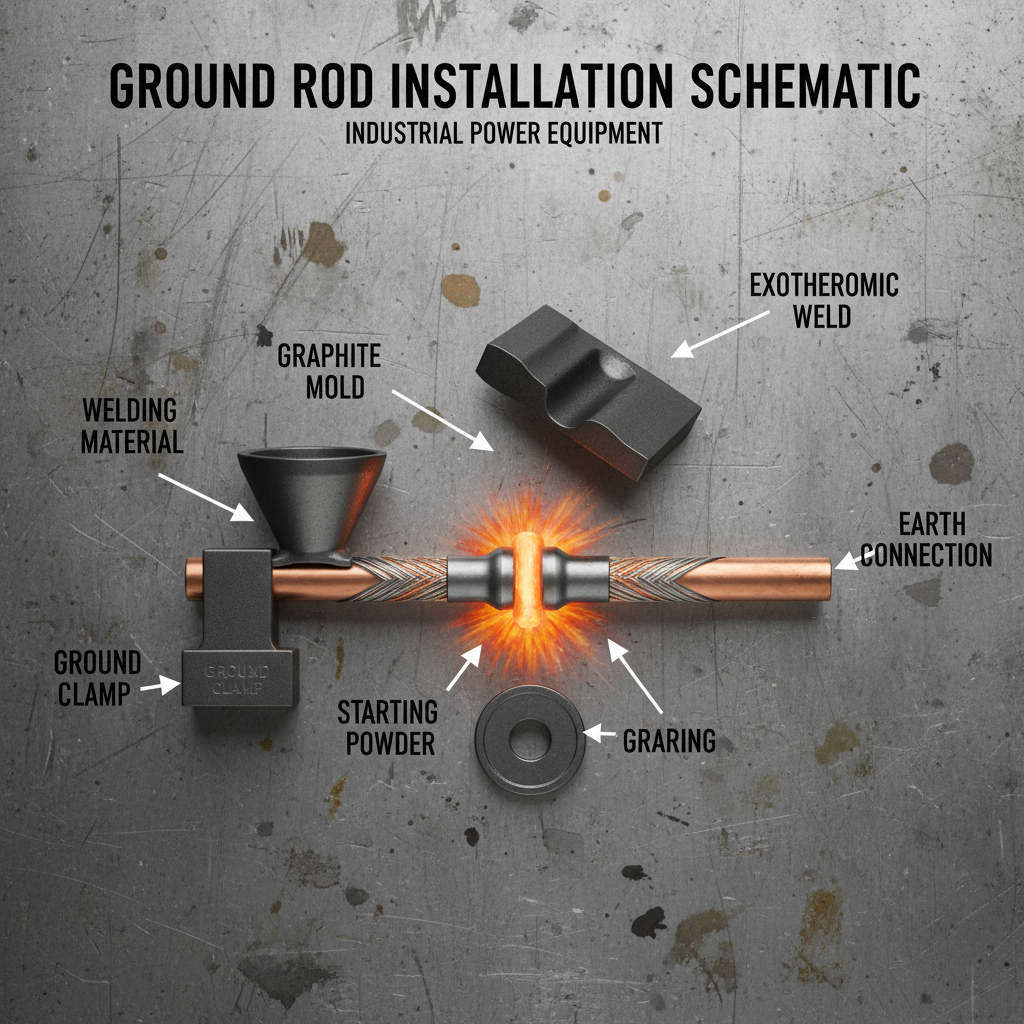
What is Exothermic Welding?
Exothermic welding, also known as exothermic bonding, is a solid-state welding process utilizing the heat generated from a chemical reaction. A special granular flux, containing copper oxide and aluminum powder, is placed within a graphite mold along with the conductors (ground rod and grounding wire). An igniter initiates the reaction, producing intense heat – reaching temperatures around 2500°C (4532°F). This heat melts the copper in the flux, flowing around the conductors and creating a permanent, corrosion-resistant weld. Unlike traditional welding methods, exothermic welding doesn’t involve melting the base metals, preserving their integrity and minimizing potential weaknesses.
Key Highlights: Exothermic welding creates a permanent, low-resistance connection without melting the base metals, offering exceptional corrosion resistance and mechanical strength.
The Importance of Ground Rods in Electrical Systems
Ground rods are essential components of any effective grounding system. They provide a low-resistance path for fault currents to flow to the earth, protecting people and equipment from electrical shock and damage. Without a proper ground, fault currents can build up, creating dangerous voltages and potentially causing fires. The type of ground rod material, its length, and the quality of the connection all influence the overall effectiveness of the grounding system. Copper-clad steel ground rods are a popular choice due to their combination of conductivity and strength.
Ground Rod Benefits:
• Provides a safe path for fault currents.
• Protects personnel from electrical shock.
• Prevents damage to electrical equipment.
• Reduces the risk of electrical fires.
Exothermic Weld Ground Rod Applications
Exothermic weld ground rod connections are utilized in a wide array of applications where a reliable and long-lasting grounding solution is required. These include: electrical substations, telecommunication towers, lightning protection systems, power generation facilities, solar farms, water treatment plants, and industrial facilities. Their resistance to corrosion and ability to maintain low resistance over time make them ideal for harsh environmental conditions. Using high-quality ground rods and proper welding techniques ensures the longevity and effectiveness of the grounding system.
Choosing the Right Exothermic Weld Ground Rod from Bilopowtel
At Bilopowtel, we offer a comprehensive range of high-quality exothermic weld ground rods and accessories. Our products are manufactured to meet or exceed industry standards, ensuring exceptional performance and reliability. We provide various ground rod materials (copper-clad steel, galvanized steel), lengths, and diameters to suit diverse application requirements. We also offer complete exothermic weld kits, including flux, molds, and igniters. Choosing Bilopowtel means investing in a grounding solution that will stand the test of time.
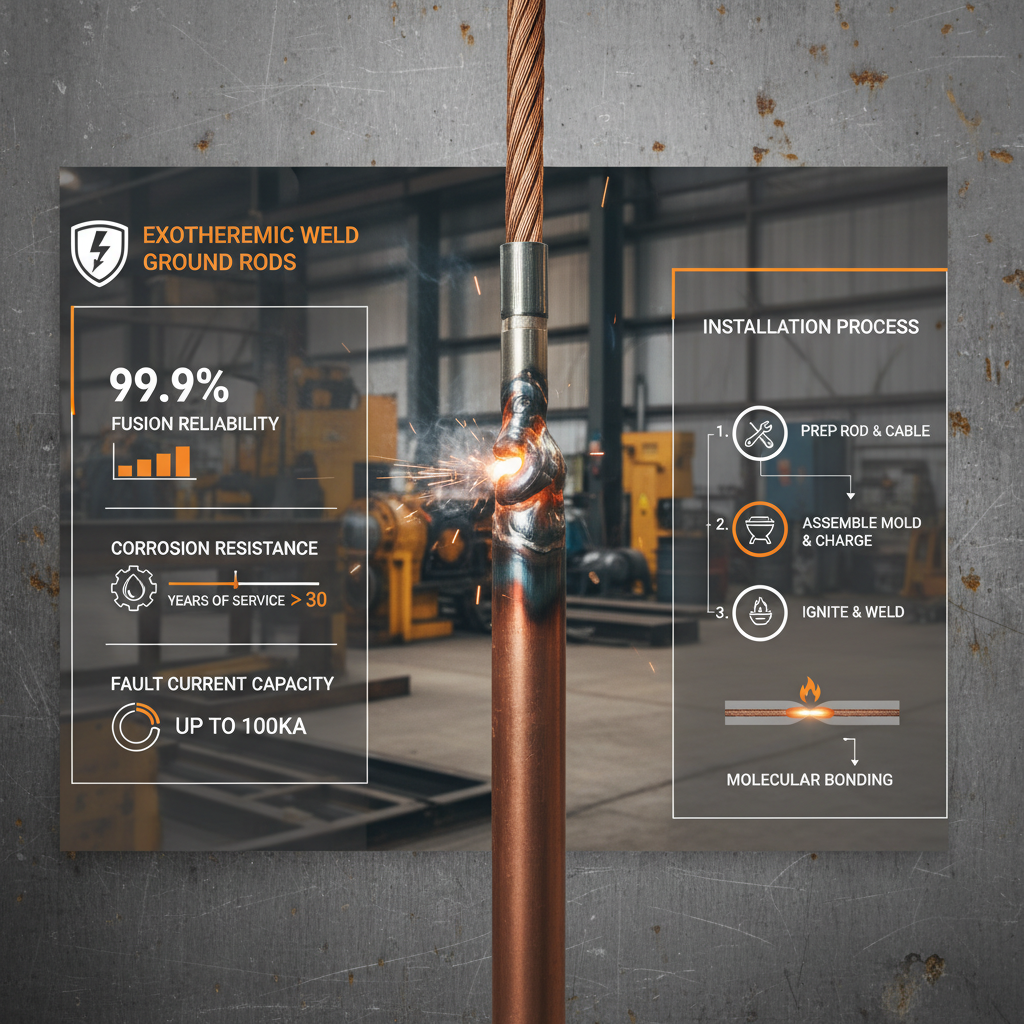
Conclusion: Ensuring Safety and Reliability with Bilopowtel
Investing in reliable grounding systems with exothermic weld ground rods from Bilopowtel is a critical step in protecting personnel and equipment. Our commitment to quality and innovation ensures you receive a superior grounding solution for any application. Contact us today to learn more about our products and services.
Frequently Asked Questions (FAQs)
What are the advantages of exothermic welding over mechanical connectors?
Exothermic welding offers several key advantages over mechanical connectors. First, it creates a permanent, corrosion-resistant connection that won't loosen over time. Mechanical connectors, such as clamps or bolts, are susceptible to corrosion and loosening due to thermal expansion and contraction. Second, exothermic welds exhibit extremely low resistance, minimizing energy loss and ensuring efficient grounding. Third, the process is relatively simple and fast, requiring minimal specialized training. Finally, exothermic welds are environmentally friendly, as they do not introduce dissimilar metals that can lead to galvanic corrosion.
What is the proper depth to install a ground rod?
The recommended depth for ground rod installation varies depending on local codes and soil conditions. However, a general guideline is to bury at least 8 feet (2.44 meters) of the ground rod. This depth ensures that the rod is below the frost line and in consistently moist soil, providing a stable and low-resistance connection to the earth. In areas with rocky soil, deeper installation may be necessary to achieve adequate grounding. Always consult local electrical codes and regulations for specific requirements.
How do I know if my ground rod connection is effective?
The effectiveness of a ground rod connection can be verified using a ground resistance tester. This instrument measures the resistance between the grounding electrode (ground rod) and the earth. Acceptable resistance values vary depending on the application and local codes, but generally, a resistance of 25 ohms or less is considered acceptable. Regular testing (at least annually) is recommended to ensure the grounding system remains effective over time. A high resistance reading indicates a potential problem with the connection or the surrounding soil.
Latest news
Precision Lifting and Pulling with the Lever Block 0.5 Ton Guide
NewsApr.16,2026
Precision Engineering Guide for High Performance Jet Lever
NewsApr.16,2026
Ultimate Guide to Choosing the Professional Industrial hoist lever
NewsApr.16,2026
Industrial Hoist Lever Chain Guide for Heavy Lifting and Rigging
NewsApr.16,2026
Industrial Lever Hoist Guide for Efficient Lifting and Pulling
NewsApr.16,2026
Ultimate Guide to Hand Ratchet Lift for Heavy Industrial Lifting
NewsApr.16,2026
- CONTACT
- ADDRESS: 188, Fengshou Road, Shijiazhuang. China
- EMAlL: info@bilopowtel.com
- PHONE: 0086-311-88862036
- WHATSAPP: 0086-152-26563165


