



Mar . 04, 2026 01:45 Back to list
Understanding the Vital Role of a T Ground Rod in Electrical Safety
Understanding the Importance of a T Ground Rod
In the realm of electrical grounding, a t ground rod serves as a critical component, ensuring safety and efficient operation of electrical systems. Whether for telecommunications towers, power supplies, or residential applications, a properly installed t ground rod establishes a low-resistance path for fault currents, protecting equipment and personnel. This article will explore the function, types, installation, and best practices for utilizing t ground rods, providing a comprehensive guide for professionals and informed consumers. A reliable grounding system is paramount for maintaining a safe and dependable electrical infrastructure.
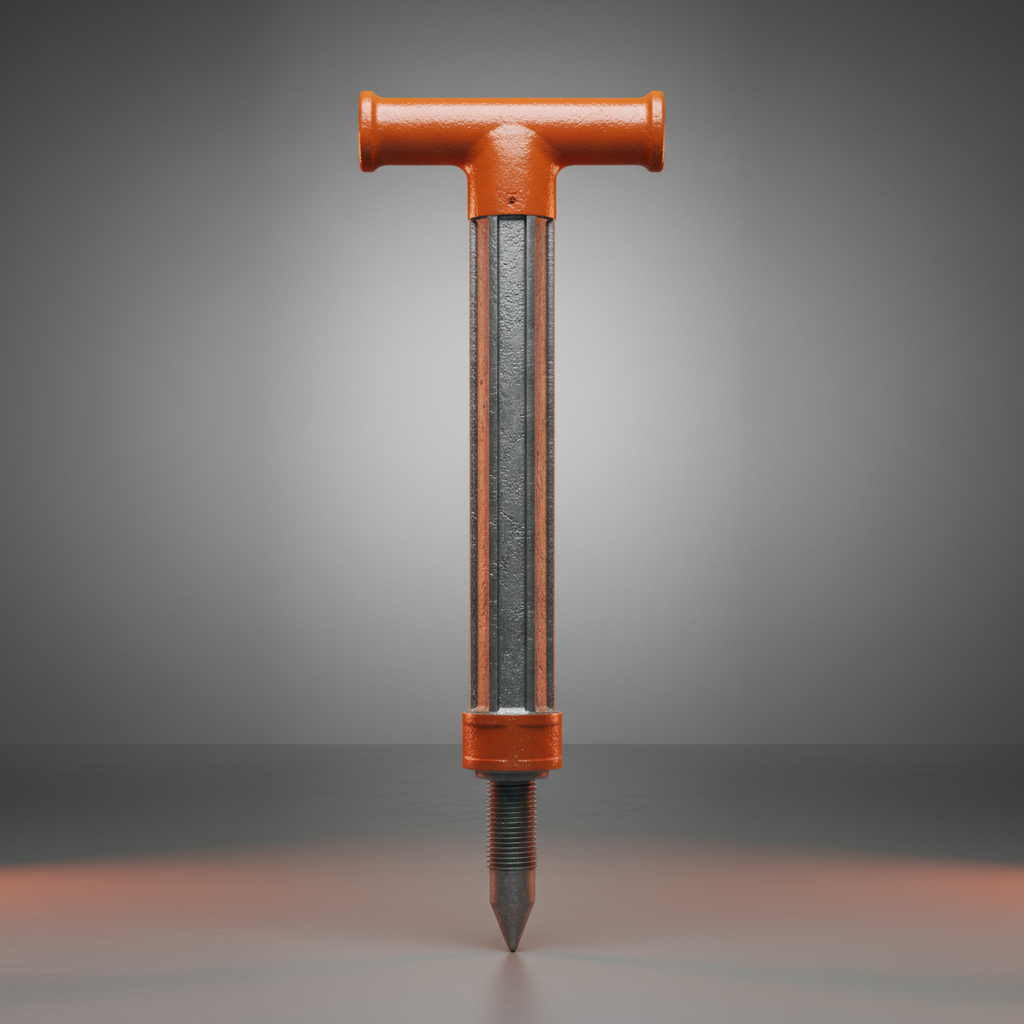
What is a T Ground Rod and Why is it Important?
A t ground rod, also known as a tee ground rod, is a grounding electrode specifically designed to increase surface area contact with the earth. Its distinctive 'T' shape provides greater electrical conductivity compared to traditional rod designs. This increased surface area lowers the grounding resistance, crucial for effectively dissipating fault currents. The lower the resistance, the better the protection. A properly grounded system safeguards against electrical shock, prevents damage to sensitive electronic equipment, and minimizes the risk of fire. Using a t ground rod is a proactive step toward electrical safety.
Key Benefits: Increased surface area for better conductivity, improved grounding resistance, enhanced electrical safety, and protection against equipment damage.
Types of T Ground Rods Available
T ground rods are available in a variety of materials and sizes to suit different applications and soil conditions. Common materials include copper-clad steel, galvanized steel, and solid copper. Copper-clad steel offers a cost-effective solution with excellent conductivity, while solid copper provides superior performance but at a higher price point. The length of the rod typically ranges from 8 to 20 feet, with longer rods providing lower grounding resistance in areas with poor soil conductivity. Selecting the appropriate t ground rod is critical for optimal performance.
Ground Rod Material Comparison:
• Copper-Clad Steel: Cost-effective, good conductivity, widely used.
• Galvanized Steel: Lower cost, adequate conductivity, suitable for less demanding applications.
• Solid Copper: Superior conductivity, highest cost, ideal for critical applications.
T Ground Rod Installation: Best Practices
Proper installation is paramount for the effectiveness of a t ground rod. The rod should be driven vertically into the ground until only a small portion remains exposed. In dry or rocky soil, a pilot hole may be necessary to facilitate insertion. Connecting the ground wire to the rod is also crucial. Use approved grounding clamps and ensure a secure, corrosion-resistant connection. The National Electrical Code (NEC) provides specific guidelines for grounding system installation, which should be strictly followed. Consider using grounding rods connectors and compounds to ensure longevity of the connection.
Comparing T Ground Rods to Other Grounding Methods
While several grounding methods exist, t ground rods often provide a superior solution in specific scenarios. Compared to ground plates, rods offer easier installation and lower cost. Compared to single rods, the ‘T’ shape significantly increases surface contact, reducing resistance. The choice of grounding method depends on factors such as soil conditions, available space, and project budget. Bilopowtel offers a range of grounding solutions to meet diverse needs.
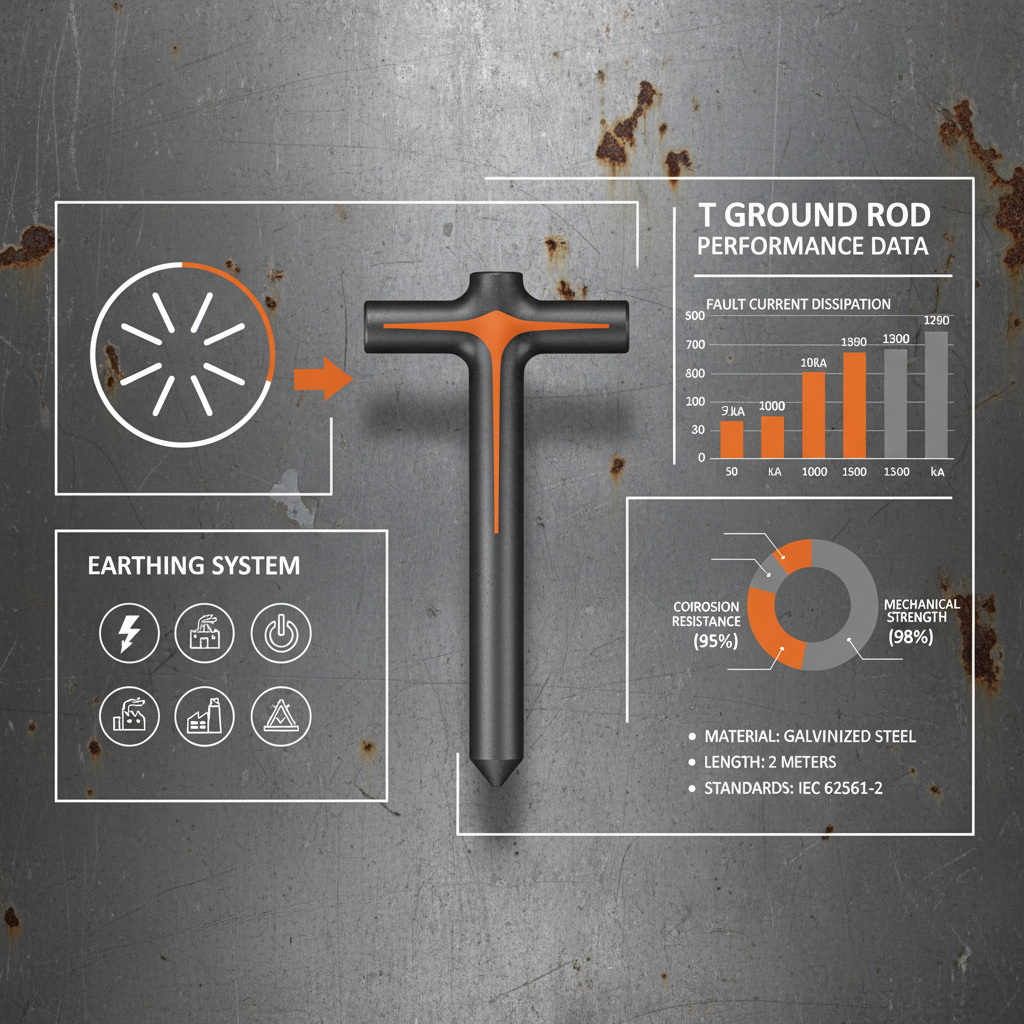
Choosing the Right T Ground Rod from Bilopowtel
At Bilopowtel, we offer a comprehensive selection of t ground rods engineered for optimal performance and durability. Our products are manufactured to meet stringent quality standards and are available in various lengths and materials. We also provide expert technical support to help you select the ideal ground rod for your specific application. We are committed to providing our customers with reliable grounding solutions that ensure safety and peace of mind.
Conclusion: Prioritizing Safety with Reliable Grounding
Investing in a quality t ground rod from Bilopowtel is a critical step toward ensuring the safety and reliability of your electrical system. Proper grounding protects equipment, prevents electrical hazards, and provides peace of mind. Don't compromise on safety – choose Bilopowtel for your grounding needs.
Frequently Asked Questions (FAQs)
What is the recommended depth for installing a t ground rod?
The National Electrical Code (NEC) generally recommends a minimum depth of 8 feet for grounding electrodes. However, the optimal depth can vary depending on local soil conditions and climate. In areas with frost lines, the rod should be installed below the frost line to prevent movement due to freezing and thawing. Consult local regulations and a qualified electrician to determine the appropriate depth for your specific location. A deeper installation generally results in lower grounding resistance, especially in dry or sandy soil.
How can I test the effectiveness of my t ground rod installation?
You can test the effectiveness of your t ground rod installation using a ground resistance tester. This device measures the resistance between the ground rod and a distant reference ground. The NEC recommends a maximum ground resistance of 25 ohms. If the resistance is higher than this, additional grounding electrodes may be required, or the existing rod may need to be supplemented with other grounding techniques, such as a ground ring. A qualified electrician can perform this test and interpret the results accurately.
What are some common causes of high ground resistance?
Several factors can contribute to high ground resistance, including dry soil, rocky soil, corrosive soil, and poor connections. Dry soil significantly reduces conductivity, while rocky soil may prevent the rod from making sufficient contact with the earth. Corrosive soil can damage the rod and connections over time. Ensure all connections are clean, tight, and corrosion-resistant. In areas with poor soil conditions, consider using multiple ground rods or supplementing the system with a ground ring.
Latest news
Precision Lifting and Pulling with the Lever Block 0.5 Ton Guide
NewsApr.16,2026
Precision Engineering Guide for High Performance Jet Lever
NewsApr.16,2026
Ultimate Guide to Choosing the Professional Industrial hoist lever
NewsApr.16,2026
Industrial Hoist Lever Chain Guide for Heavy Lifting and Rigging
NewsApr.16,2026
Industrial Lever Hoist Guide for Efficient Lifting and Pulling
NewsApr.16,2026
Ultimate Guide to Hand Ratchet Lift for Heavy Industrial Lifting
NewsApr.16,2026
- CONTACT
- ADDRESS: 188, Fengshou Road, Shijiazhuang. China
- EMAlL: info@bilopowtel.com
- PHONE: 0086-311-88862036
- WHATSAPP: 0086-152-26563165


