



Apr . 04, 2026 01:45 Back to list
Comprehensive Guide to 3T Lever Hoist Applications and Safe Operation
Understanding the 3T Lever Hoist: A Comprehensive Guide
A 3T lever hoist is a vital piece of equipment for lifting and moving heavy loads in various industrial and commercial settings. Lever hoists provide a mechanical advantage, allowing users to lift objects far exceeding their physical strength. This article will explore the features, applications, safety considerations, and benefits of using a 3T lever hoist, giving you a complete understanding of this essential tool. Whether you’re in construction, manufacturing, or warehousing, knowing the intricacies of a 3T lever hoist can significantly enhance operational efficiency and safety.
What is a 3T Lever Hoist and How Does it Work?
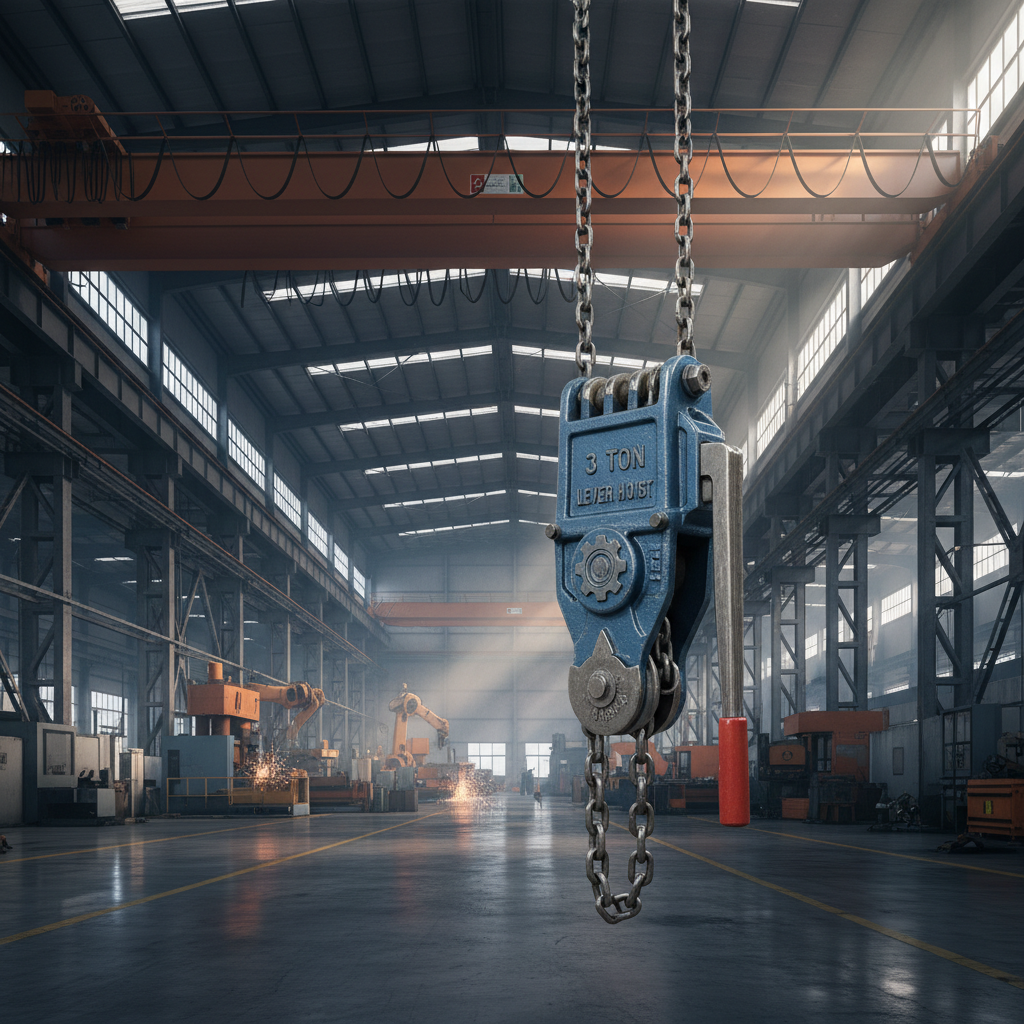
A 3T lever hoist, also known as a chain hoist, utilizes a lever mechanism and chain to lift and lower loads. The '3T' denotes its lifting capacity – 3 metric tons (3000 kilograms or 6614 pounds). The operator pulls on the hand chain, which engages a series of gears, multiplying the force applied and enabling the lifting of heavy objects. This mechanical advantage makes it far easier to lift loads than attempting to do so manually. Lever hoists are renowned for their portability, ease of use, and ability to operate in confined spaces. Bilopowtel offers a range of robust and reliable 3T lever hoists designed for demanding applications.
Key Benefits: Portability, ease of use, high lifting capacity, operates in tight spaces, and provides a significant mechanical advantage.
Applications of a 3T Lever Hoist
The versatility of a 3T lever hoist makes it ideal for numerous applications across various industries. Common uses include:
- Construction: Lifting building materials, tools, and equipment.
- Manufacturing: Moving heavy machinery, components, and finished products.
- Warehousing and Logistics: Loading and unloading trucks, positioning goods, and general material handling.
- Maintenance and Repair: Lifting engines, equipment, and heavy components for servicing.
- Automotive: Engine removal and installation, bodywork repairs.
These are just a few examples, demonstrating the wide-ranging applicability of a 3T lever hoist in scenarios requiring controlled and efficient lifting.
Industries Utilizing 3T Lever Hoists:
• Construction
• Manufacturing
• Automotive
• Logistics and Warehousing
• Marine
3T Lever Hoist vs. Other Lifting Equipment
When considering lifting solutions, it's crucial to compare the 3T lever hoist to other options like electric hoists, chain blocks, and jib cranes. Lever hoists are particularly advantageous where portability and lack of power supply are concerns. Electric hoists require a power source and are generally less portable. Chain blocks offer similar lifting capacity but require a fixed mounting point. Jib cranes are ideal for repetitive lifting in a localized area but lack the versatility of a lever hoist. The following table highlights a comparison:
Safety Considerations When Using a 3T Lever Hoist
Safety is paramount when operating a 3T lever hoist. Always adhere to these guidelines:
- Inspect the hoist before each use: Check for damaged chains, hooks, and the overall condition of the mechanism.
- Never exceed the rated capacity: A 3T hoist is designed for 3000kg. Overloading can lead to catastrophic failure.
- Ensure a secure lifting point: The lifting point must be strong enough to support the load.
- Avoid side loading: Apply force directly in line with the hoist's axis.
- Keep hands clear of the chain during operation: Pinch points can cause serious injury.
- Wear appropriate Personal Protective Equipment (PPE): Including safety glasses and gloves.
Regular maintenance and proper training are essential for safe and efficient operation.
Conclusion: Choosing the Right 3T Lever Hoist
Investing in a high-quality 3T lever hoist from a reputable supplier like Bilopowtel is crucial for ensuring safety, reliability, and long-term performance. By understanding its applications, safety considerations, and advantages over other lifting equipment, you can make an informed decision that optimizes your operations and protects your workforce.
Frequently Asked Questions (FAQs)
What is the lifting height of a standard 3T lever hoist?
Standard 3T lever hoists typically come with a lifting height of 3 meters (approximately 10 feet). However, different models and configurations may offer varying lifting heights. Some hoists allow for the use of additional chain lengths to increase the lifting capacity. It's essential to select a hoist with a lifting height suitable for your specific application. When determining the required lifting height, consider the height of the lifting point and the desired clearance above the load.
How often should a 3T lever hoist be inspected?
A 3T lever hoist should be visually inspected before each use for any signs of damage or wear. A more thorough inspection, conducted by a qualified person, should be performed at least annually, or more frequently if the hoist is used heavily or in harsh environments. The inspection should cover the chain, hooks, gears, and overall mechanism, ensuring they are in good working order. Maintain records of all inspections.
What type of chain is used in a 3T lever hoist?
Most 3T lever hoists utilize Grade 80 load chain, known for its high strength and durability. Grade 80 chain is manufactured from alloy steel and offers excellent resistance to wear and tear. It's essential to use only the manufacturer-approved chain for replacements, as using inferior chains can compromise the hoist's safety and lifting capacity. Always ensure the chain is properly lubricated to minimize friction and extend its lifespan.
Can a 3T lever hoist be used outdoors?
While a 3T lever hoist can be used outdoors, it's crucial to choose a model specifically designed for outdoor use. These hoists are often treated with corrosion-resistant coatings to protect against rust and environmental damage. Avoid using a standard lever hoist in wet or corrosive environments. Also, be sure to store the hoist in a dry place when not in use to prevent corrosion.
Latest news
Precision Lifting and Pulling with the Lever Block 0.5 Ton Guide
NewsApr.16,2026
Precision Engineering Guide for High Performance Jet Lever
NewsApr.16,2026
Ultimate Guide to Choosing the Professional Industrial hoist lever
NewsApr.16,2026
Industrial Hoist Lever Chain Guide for Heavy Lifting and Rigging
NewsApr.16,2026
Industrial Lever Hoist Guide for Efficient Lifting and Pulling
NewsApr.16,2026
Ultimate Guide to Hand Ratchet Lift for Heavy Industrial Lifting
NewsApr.16,2026
- CONTACT
- ADDRESS: 188, Fengshou Road, Shijiazhuang. China
- EMAlL: info@bilopowtel.com
- PHONE: 0086-311-88862036
- WHATSAPP: 0086-152-26563165


