



Mar . 07, 2026 01:45 Back to list
Choosing the Right Clamp for Earth Rod A Comprehensive Selection Guide
Choosing the Right Clamp for Earth Rod: A Comprehensive Guide
Ensuring a reliable grounding system is critical for safety and performance in a variety of applications, from electrical installations to telecommunications. The clamp for earth rod is a crucial component in achieving this, providing a secure and long-lasting connection between the earth rod and the grounding conductor. This article will delve into the key considerations when selecting a clamp, explore different types available, and highlight the importance of quality and compatibility. Investing in the correct clamp ensures optimal grounding efficiency and protects against electrical hazards.
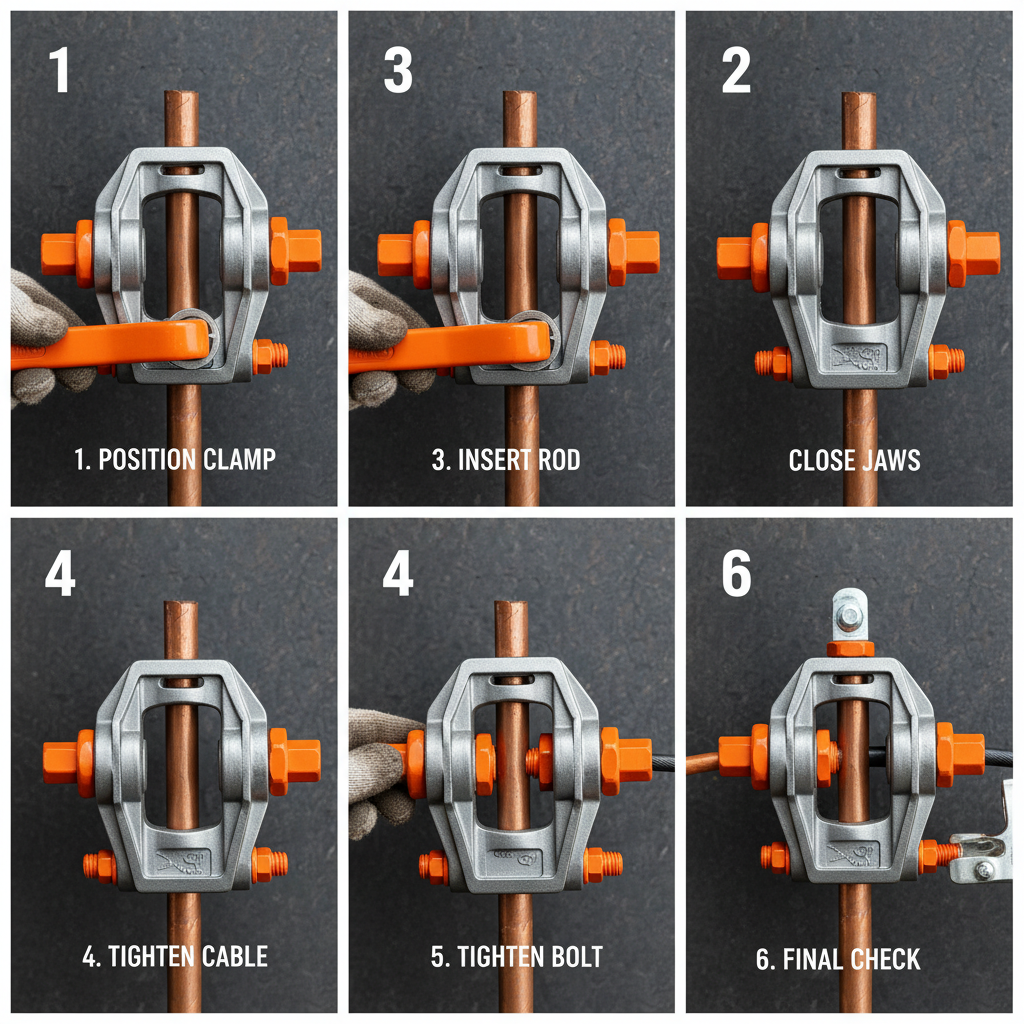
Understanding the Importance of a Quality Clamp for Earth Rod
A well-designed and properly installed clamp is essential for a robust grounding system. It provides a low-resistance pathway for fault currents to flow to the earth, minimizing the risk of electric shock and equipment damage. Factors like material quality, corrosion resistance, and clamping force all play a significant role in the long-term reliability of the connection. Using a substandard clamp can lead to increased resistance, potentially compromising the entire grounding system's effectiveness and creating a safety hazard. Choosing a clamp specifically designed for the size and type of earth rod and conductor is also vital for optimal performance.
Key Benefits: A quality clamp offers low resistance, corrosion resistance, and a secure, long-lasting connection, ensuring reliable grounding performance.
Types of Clamps for Earth Rod: A Comparative Overview
Several types of clamps are available, each suited for specific applications and earth rod materials. Common types include:
- Bolt-Down Clamps: Offer a strong and secure connection, ideal for permanent installations.
- Compression Clamps: Utilize compression force to grip the earth rod, providing excellent conductivity.
- Set-Screw Clamps: Employ set screws to tighten the connection, suitable for quick installations and adjustments.
- Bridging Clamps: Used to connect multiple earth rods together, enhancing grounding coverage.
The choice depends on factors like the earth rod material (copper, galvanized steel, stainless steel), conductor size, and environmental conditions. Considering these factors will ensure compatibility and optimal grounding performance.
Clamp Selection Criteria:
• Earth rod material compatibility
• Conductor size and type
• Environmental conditions (corrosion resistance)
• Installation requirements (permanent vs. temporary)
Material Considerations: Corrosion Resistance and Conductivity
The material used in the clamp for earth rod is crucial for long-term reliability, especially in corrosive environments. Common materials include:
- Copper: Excellent conductivity and corrosion resistance, ideal for copper earth rods.
- Galvanized Steel: Provides good corrosion protection at a lower cost, suitable for galvanized steel earth rods.
- Stainless Steel: Offers superior corrosion resistance, making it ideal for harsh environments.
- Bronze: Excellent corrosion resistance and conductivity, often used in marine applications.
Choosing a material compatible with the earth rod and the surrounding environment is essential to prevent galvanic corrosion and maintain a low-resistance connection.
Ensuring Proper Installation for Optimal Performance
Even the best clamp for earth rod will fail to perform optimally if not installed correctly. Key considerations include:
- Clean Contact Surfaces: Ensure the earth rod and conductor are clean and free of corrosion before clamping.
- Proper Torque: Tighten the clamp to the manufacturer's recommended torque specifications.
- Secure Connection: Verify the clamp is securely fastened and there is no movement.
- Regular Inspections: Periodically inspect the clamp for signs of corrosion or loosening.
Following these guidelines will ensure a reliable and long-lasting grounding connection, protecting your systems and personnel.
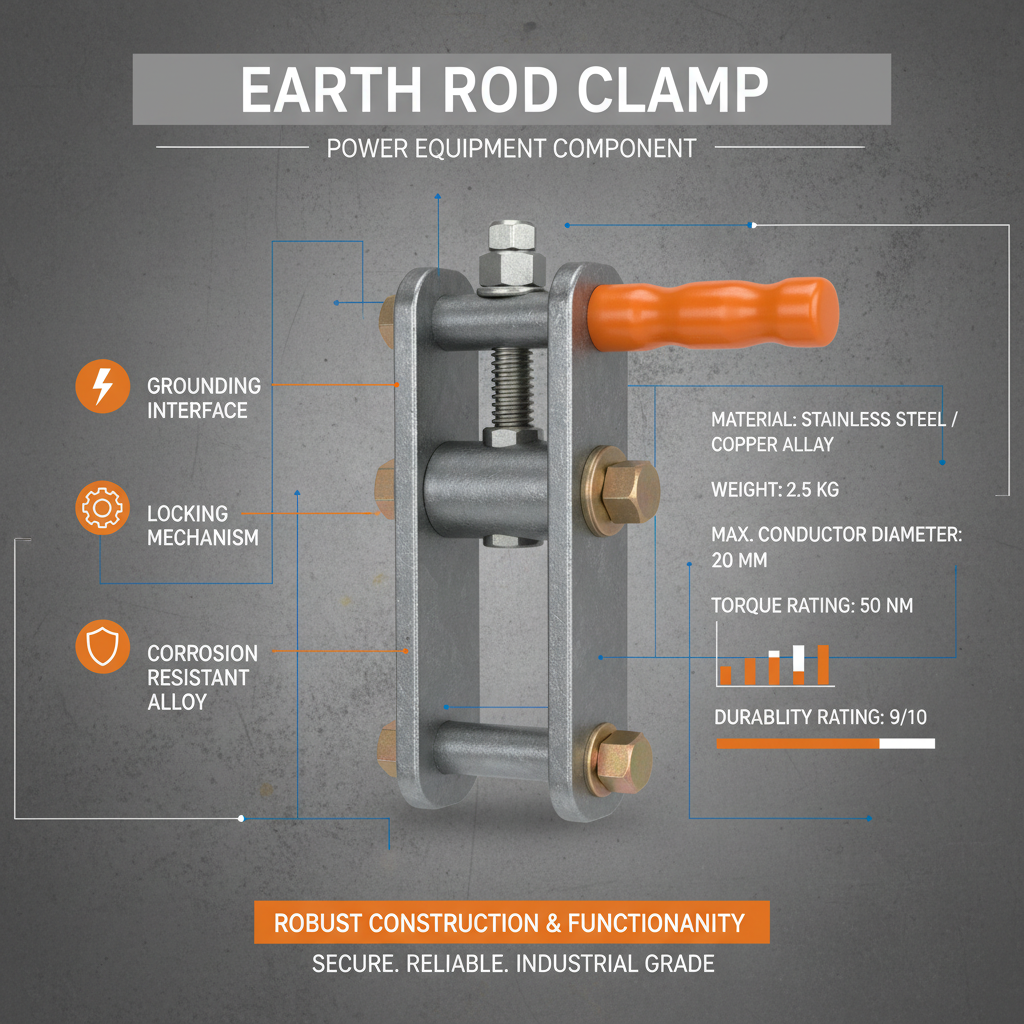
Conclusion: Investing in a Reliable Grounding Solution
Selecting the appropriate clamp for earth rod is a critical step in establishing a safe and effective grounding system. By considering the factors discussed in this article – material, type, and installation – you can ensure long-term reliability and protect against electrical hazards. Bilopowtel offers a comprehensive range of high-quality clamps designed to meet diverse application needs. Don’t compromise on safety – invest in a reliable grounding solution.
Frequently Asked Questions (FAQs)
What size conductor can a typical clamp for earth rod accommodate?
The conductor size capacity varies depending on the clamp design. Generally, clamps are available to accommodate a wide range of conductor sizes, from small gauge wires to large cables. It's essential to check the clamp's specifications to ensure it's compatible with the conductor you intend to use. Using a clamp that's too small can damage the conductor, while using one that's too large may not provide a secure connection. Bilopowtel clamps are available in various sizes to suit different conductor applications.
How often should I inspect the clamps for corrosion?
Regular inspections are crucial, especially in corrosive environments. We recommend inspecting the clamps at least once a year, or more frequently in harsh conditions. Look for signs of rust, corrosion, or loosening. If corrosion is present, replace the clamp immediately to maintain grounding integrity. Preventive maintenance, such as applying corrosion-inhibiting compounds, can extend the clamp's lifespan.
What is the best clamp type for a saltwater environment?
For saltwater environments, stainless steel or bronze clamps are the most suitable choices due to their superior corrosion resistance. Galvanized steel clamps may provide some protection, but they are more susceptible to corrosion over time. Ensure the clamp is specifically designed for marine applications to withstand the harsh conditions. Bilopowtel offers a range of marine-grade clamps specifically engineered for saltwater environments.
Can I use a clamp designed for copper earth rods on a galvanized steel earth rod?
No, it's generally not recommended to use a clamp designed for copper earth rods on a galvanized steel earth rod. This can lead to galvanic corrosion, where the different metals react with each other, accelerating the corrosion process. Always use a clamp specifically designed for the type of earth rod material you are using to ensure long-term reliability and prevent corrosion.
Latest news
Precision Lifting and Pulling with the Lever Block 0.5 Ton Guide
NewsApr.16,2026
Precision Engineering Guide for High Performance Jet Lever
NewsApr.16,2026
Ultimate Guide to Choosing the Professional Industrial hoist lever
NewsApr.16,2026
Industrial Hoist Lever Chain Guide for Heavy Lifting and Rigging
NewsApr.16,2026
Industrial Lever Hoist Guide for Efficient Lifting and Pulling
NewsApr.16,2026
Ultimate Guide to Hand Ratchet Lift for Heavy Industrial Lifting
NewsApr.16,2026
- CONTACT
- ADDRESS: 188, Fengshou Road, Shijiazhuang. China
- EMAlL: info@bilopowtel.com
- PHONE: 0086-311-88862036
- WHATSAPP: 0086-152-26563165


