



Apr . 09, 2026 01:45 Back to list
Professional Lever Puller Guide for Industrial Maintenance Efficiency
Mastering Mechanical Efficiency: The Ultimate Guide to the Lever Puller
In the world of industrial maintenance and automotive repair, having the right tool for the job is the difference between a quick fix and a costly disaster. The lever puller serves as a cornerstone for technicians who need to remove bearings, gears, or pulleys with precision and minimal effort. By leveraging mechanical advantage, this tool converts a modest amount of input force into a powerful extraction pull, protecting both the technician and the expensive machinery from damage. Whether you are managing a large-scale factory or a specialized workshop, understanding the nuances of this tool is essential for operational efficiency.
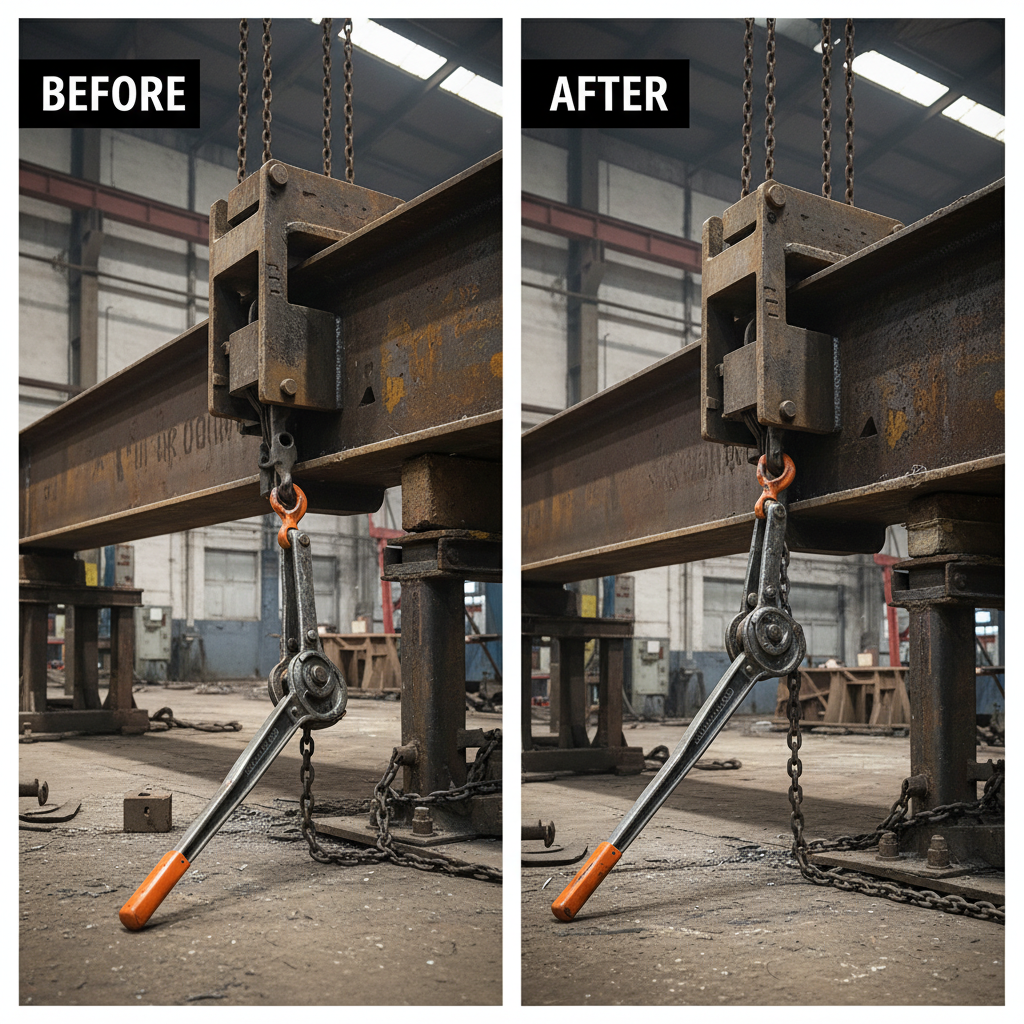
How a Lever Puller Enhances Productivity
The primary objective of using a lever puller is to reduce the physical strain on the operator while increasing the accuracy of the component removal. Unlike hammering or prying, which can warp metal surfaces or crack housings, a lever-action puller applies a steady, linear force. This controlled approach ensures that the part is removed squarely, preventing the "cocking" effect that often leads to jammed components. For professionals, this means shorter downtime and a significant reduction in the risk of workplace injuries associated with slippage or sudden tool failure.
Pro Tip: Always ensure the puller is perfectly centered on the hub before applying pressure. This maximizes the mechanical leverage and ensures a smooth extraction process.
Types of Lever Puller Designs and Their Uses
Not all pullers are created equal. Depending on the depth of the part and the amount of space available, technicians choose between internal, external, or blind pullers. The lever puller comes in various arm lengths and jaw configurations to accommodate different diameters. For example, a three-jaw puller provides the most stability, distributing the force evenly around the circumference of the gear. Conversely, two-jaw pullers are often used in tighter spaces where a third arm simply won't fit. Selecting the correct design prevents tool deformation and ensures the integrity of the machinery.
Comparative Performance: Lever Puller vs. Hydraulic Pullers
When deciding between a manual lever puller and a hydraulic system, the choice usually comes down to the scale of the project and the required force. Lever pullers are prized for their portability, ease of setup, and reliability for medium-duty tasks. They require no external power sources and provide an intuitive "feel" for the tension being applied. Hydraulic pullers, while more powerful, are bulkier and typically reserved for massive industrial bearings. For the majority of automotive and light-industrial applications, the lever-action tool is the most cost-effective and efficient choice.
Lever Puller Specification Standards
When sourcing a lever puller, it is vital to look at the material composition and load ratings. High-quality pullers are typically forged from Chrome Vanadium (Cr-V) steel or alloy steel, which prevents the arms from bending under high tension. The thread pitch of the lead screw also plays a role in how much force is required to move the part. Below are the typical specifications found in professional-grade mechanical pullers:
Maintenance and Safety for Long-Term Use
To ensure your lever puller remains a reliable asset, regular maintenance is required. The most critical area is the lead screw; ensuring it is lubricated prevents friction-induced wear and makes the pulling action smoother. Additionally, inspecting the jaws for rounding or cracks is essential for safety, as a slipping jaw under high tension can cause significant injury. Always store the tool in a dry environment to prevent oxidation, and avoid using extensions (like pipes) on the handle unless specifically rated for such force, as this can lead to catastrophic tool failure.
Optimizing Workflow with the Right Pulling Tools
Integrating the right lever puller into your toolkit is more than just a purchase; it is a workflow optimization. By reducing the time spent struggling with stuck components, technicians can increase their daily output and reduce mental fatigue. Modern industrial standards emphasize "lean" maintenance, where the right tool is available at the right time. Whether you are dealing with automotive alternators, electric motor bearings, or industrial pulleys, the precision of a lever-action puller ensures that the assembly process following the removal is equally seamless and accurate.
Conclusion: The Strategic Value of a Quality Lever Puller
Investing in a professional-grade lever puller is an investment in precision and safety. By eliminating the guesswork and brute force associated with part removal, you protect your equipment and your workforce. From its robust material construction to its mechanical efficiency, the lever puller remains an indispensable tool for any serious mechanical operation. Ensure your workshop is equipped with the best tools to maintain a competitive edge in industrial performance.
Frequently Asked Questions (FAQs)
How do I choose the correct size lever puller for my task?
Choosing the correct size involves measuring the outer diameter of the part you need to remove and the depth of the reach required. Ensure the jaws of the puller can securely grip the component without slipping. If the part is very large, a puller with longer arms will provide more leverage, making the extraction easier. Conversely, for small components in tight spaces, a compact puller is necessary. Always check the load rating of the tool to ensure it can handle the estimated resistance of the seized part.
What should I do if a part is too stuck for the lever puller to move?
If a component is completely seized, avoid applying excessive force that could bend the tool. Instead, try applying a high-quality penetrating oil to the shaft and letting it soak for several hours. In some cases, applying gentle heat with a torch can expand the hub and break the rust bond. Once the bond is weakened, the lever puller should be able to move the part with significantly less effort. If it remains stuck, you may need to upgrade to a hydraulic puller.
Can I use a lever puller on any type of gear or bearing?
While highly versatile, lever pullers are designed for parts that have a lip or a shoulder that the jaws can grip. If a bearing is flush with the housing, a standard external puller won't work, and you will need an internal puller or a blind hole puller. It is also important to ensure the material of the part is strong enough to withstand the pulling force; very soft plastics or thin aluminum may be deformed by the jaws if not used with protective shims.
How often should I lubricate my pulling tools?
For tools used daily in an industrial environment, we recommend lubricating the lead screw every 2-4 weeks. For occasional home use, once every few months is sufficient. Using a lithium-based grease or a high-quality machine oil prevents the threads from wearing down and ensures that the force you apply through the lever is transferred efficiently to the part. Proper lubrication significantly extends the life of the tool and prevents the screw from seizing over time.
Latest news
Precision Lifting and Pulling with the Lever Block 0.5 Ton Guide
NewsApr.16,2026
Precision Engineering Guide for High Performance Jet Lever
NewsApr.16,2026
Ultimate Guide to Choosing the Professional Industrial hoist lever
NewsApr.16,2026
Industrial Hoist Lever Chain Guide for Heavy Lifting and Rigging
NewsApr.16,2026
Industrial Lever Hoist Guide for Efficient Lifting and Pulling
NewsApr.16,2026
Ultimate Guide to Hand Ratchet Lift for Heavy Industrial Lifting
NewsApr.16,2026
- CONTACT
- ADDRESS: 188, Fengshou Road, Shijiazhuang. China
- EMAlL: info@bilopowtel.com
- PHONE: 0086-311-88862036
- WHATSAPP: 0086-152-26563165


