



Feb . 26, 2026 01:45 Back to list
Understanding the Vital Role of the Plug Socket Earth Wire for Electrical Safety
Understanding the Role of an Earth Wire in a Plug Socket
Electrical safety is paramount, and a crucial component often overlooked is the earth wire within a plug socket. This unassuming wire is a vital safety feature, designed to protect you from electric shock. At Bilopowtel, we prioritize providing safe and reliable electrical components, and understanding the function of an earth wire is a cornerstone of electrical safety. This article will delve into the purpose, function, and importance of an earth wire, ensuring you're equipped with the knowledge to maintain a safe electrical environment.
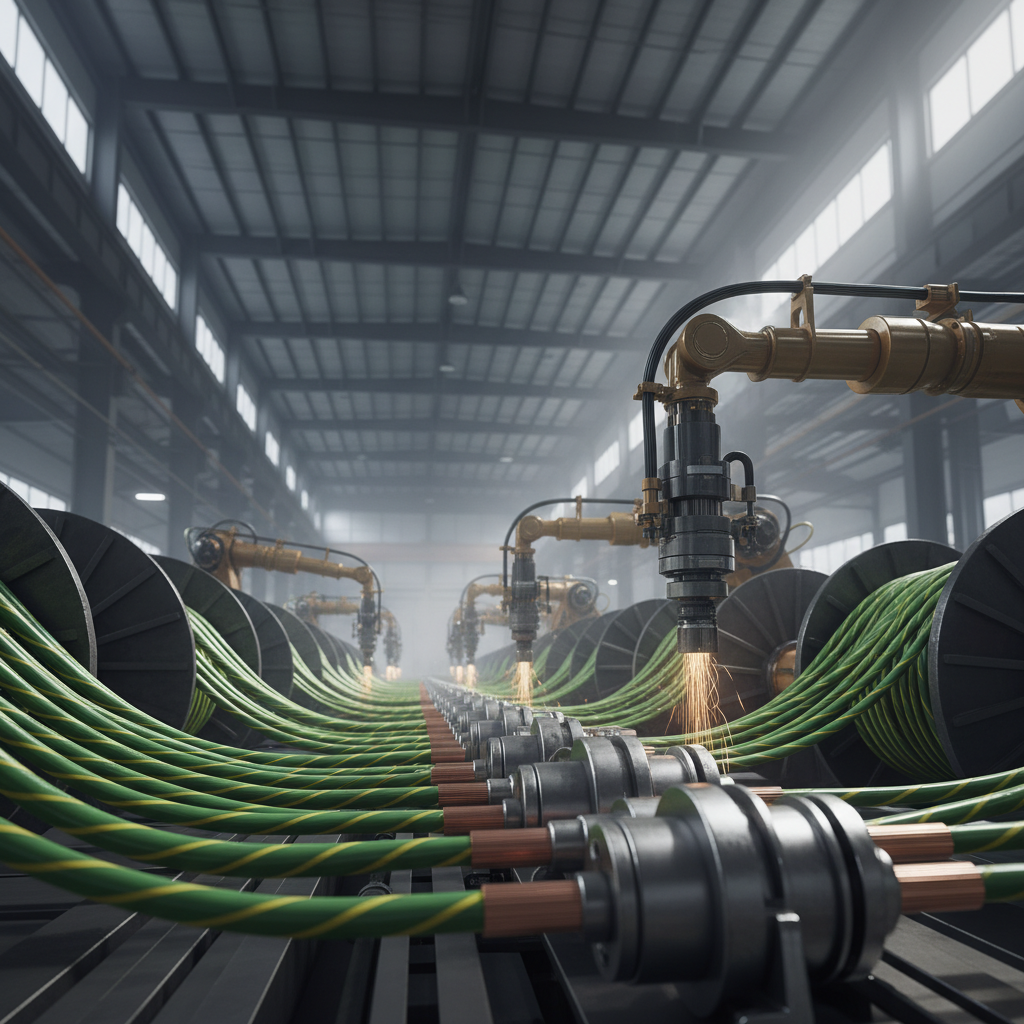
What is an Earth Wire and What Does it Do?
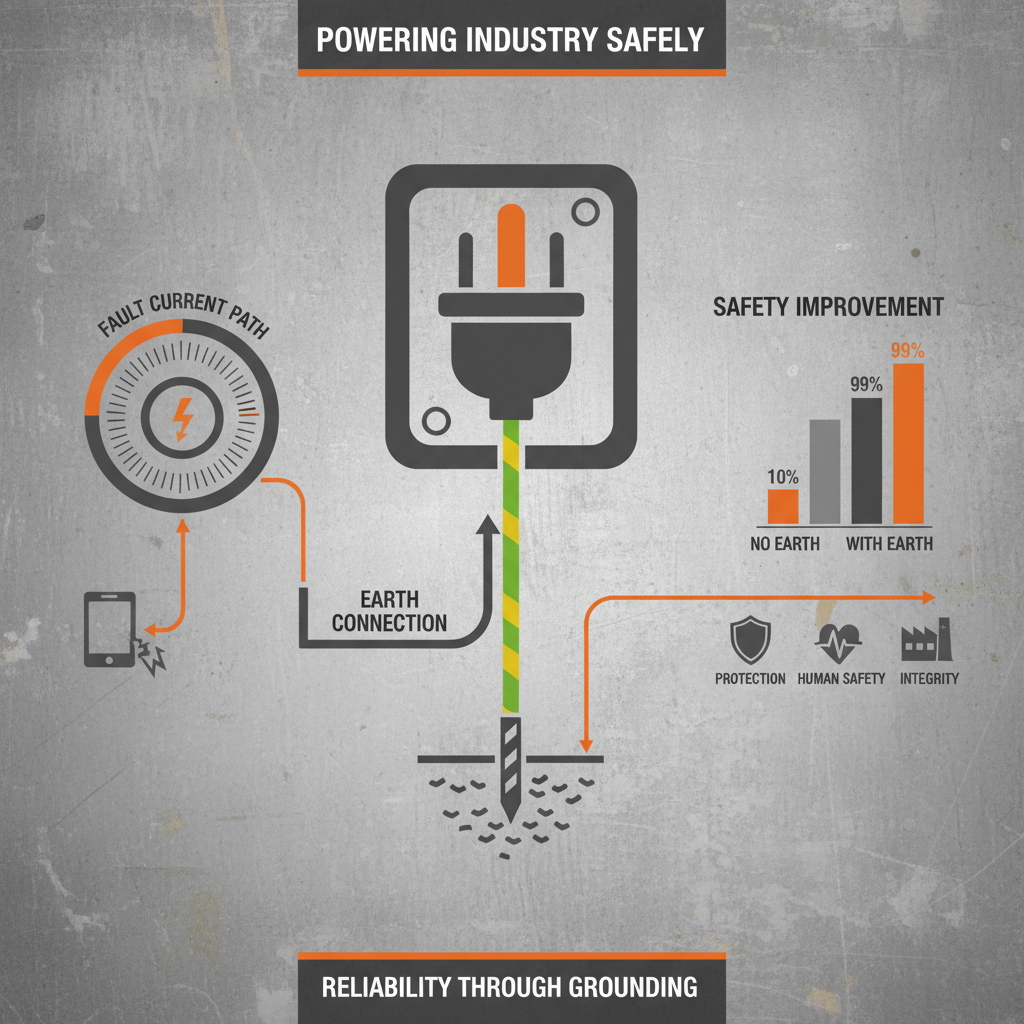
The earth wire, typically green and yellow, is a safety conductor within an electrical system. Its primary function is to provide a low-resistance path for fault currents to flow back to the source, triggering a circuit breaker or fuse to trip and cut off the power supply. This prevents a dangerous voltage from building up on the metal casing of an appliance, which could cause a severe electric shock if touched. The earth wire doesn't carry current during normal operation; it only becomes active in the event of a fault. Without a functioning earth wire, you're significantly increasing the risk of electrical injury. Bilopowtel offers a range of plug sockets with robust earth wire connections to ensure maximum safety.
Key Takeaway: The earth wire’s purpose is not to power the device, but to protect the user from electrical shock during a fault.
Why is an Earth Wire Crucial for Electrical Safety?
Imagine a scenario where the live wire inside an appliance comes into contact with the metal casing. Without an earth wire, that casing would become live, posing a serious shock hazard. The earth wire provides an alternative, low-resistance path for the current to flow, causing the circuit breaker to trip almost instantly. This rapid disconnection minimizes the duration of the shock and significantly reduces the risk of severe injury or even fatality. The earth wire isn’t just a good idea; it's a legal requirement in most countries for safety reasons.
Benefits of a Functioning Earth Wire:
• Prevents electric shock
• Protects against fire hazards
• Complies with safety regulations
• Safeguards appliances and equipment
Plug Socket Earth Wire: Comparing Systems
Different countries employ varying wiring systems, each with its own approach to grounding. The most common systems include the three-wire system (found in the UK and much of Europe) and the split-phase system (predominant in North America). The three-wire system utilizes a live, neutral, and earth wire, offering a robust level of safety. The split-phase system uses two live wires and a neutral, with the earth wire providing a safety ground. Understanding these differences is crucial when working with electrical systems in different regions.
Ensuring Your Plug Socket Earth Wire is Working Correctly
Regularly checking the continuity of your earth wire is vital. This can be done using a multimeter. A reading of close to zero ohms indicates a good connection. If the reading is significantly higher, or infinite, it indicates a break in the circuit and a potential safety hazard. It's also important to visually inspect plug sockets for any signs of damage, such as cracks or loose connections. If you're unsure about any electrical work, always consult a qualified electrician. Bilopowtel’s range of plug sockets are manufactured to the highest safety standards, but regular checks are still essential.
Conclusion: Prioritizing Safety with a Reliable Earth Wire
The earth wire is a fundamental safety component of any electrical system. Understanding its purpose and ensuring its functionality are critical to protecting yourself and others from electrical hazards. Investing in quality plug sockets from a reputable supplier like Bilopowtel and performing regular checks are essential steps in maintaining a safe electrical environment.
Frequently Asked Questions (FAQs)
What happens if the earth wire is disconnected?
If the earth wire is disconnected, the metal casing of an appliance could become live in the event of a fault. This means anyone touching the appliance would be at risk of a severe or even fatal electric shock. The circuit breaker might not trip immediately, leaving the appliance dangerously energized. Therefore, a disconnected earth wire represents a significant safety hazard and should be rectified immediately by a qualified electrician.
Can I replace an earth wire myself?
While it might seem like a straightforward task, replacing an earth wire is generally not recommended for non-qualified individuals. Electrical work can be dangerous and requires a thorough understanding of wiring regulations and safety procedures. Incorrect wiring can lead to electric shock, fire hazards, and damage to appliances. Always hire a qualified electrician to perform any electrical repairs or installations.
How often should I check my earth wires?
It’s recommended to visually inspect plug sockets and wiring for any signs of damage at least once a year. A more thorough check of the earth wire continuity using a multimeter should be conducted every 2-3 years, or whenever you suspect a problem. If you live in an older building with aging wiring, more frequent checks are advisable.
Latest news
Precision Lifting and Pulling with the Lever Block 0.5 Ton Guide
NewsApr.16,2026
Precision Engineering Guide for High Performance Jet Lever
NewsApr.16,2026
Ultimate Guide to Choosing the Professional Industrial hoist lever
NewsApr.16,2026
Industrial Hoist Lever Chain Guide for Heavy Lifting and Rigging
NewsApr.16,2026
Industrial Lever Hoist Guide for Efficient Lifting and Pulling
NewsApr.16,2026
Ultimate Guide to Hand Ratchet Lift for Heavy Industrial Lifting
NewsApr.16,2026
- CONTACT
- ADDRESS: 188, Fengshou Road, Shijiazhuang. China
- EMAlL: info@bilopowtel.com
- PHONE: 0086-311-88862036
- WHATSAPP: 0086-152-26563165


