



Feb . 22, 2026 01:45 Back to list
Understanding the Critical Role of an Earth Wire in Light Switch Safety
Understanding the Role of an Earth Wire in a Light Switch
When working with electrical systems, safety is paramount. A critical component often overlooked is the earth wire in a light switch. This wire, also known as the ground wire, provides a vital safety pathway for electrical current in the event of a fault. This article will delve into the purpose, function, and importance of the earth wire, explaining why it’s an essential element in any electrical installation. Ignoring this crucial aspect can lead to serious hazards, so understanding its role is vital for both DIY enthusiasts and professionals. BiloPowtel provides high-quality electrical components, including switches and wiring, ensuring safety and reliability.
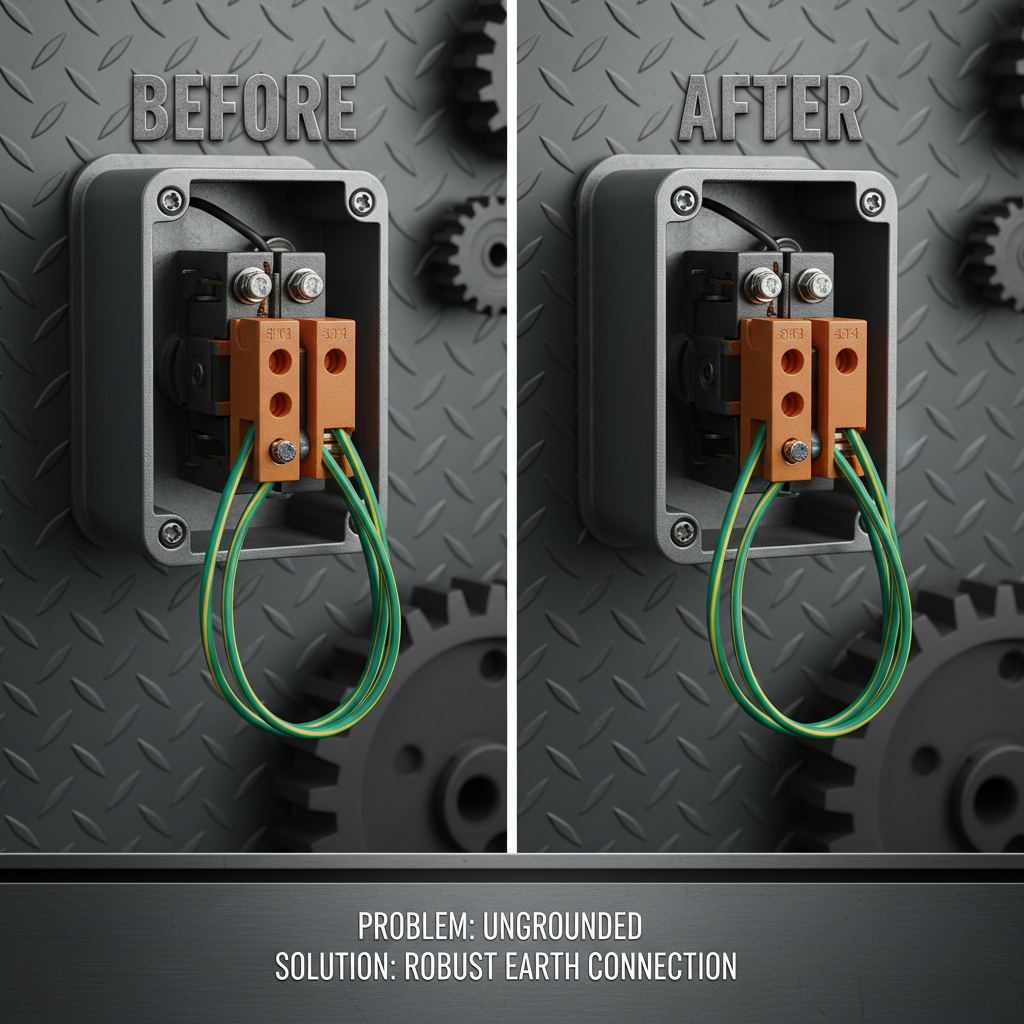
What is an Earth Wire and Why is it Necessary?
The earth wire is typically green or green with a yellow stripe. It connects the metal casing of an electrical appliance or switch back to the earth point of the electrical system, usually a metal rod buried in the ground. Its primary function isn’t to carry current during normal operation; instead, it serves as a safety net. In the event of a fault—such as a live wire touching the metal casing—the earth wire provides a low-resistance path for the current to flow back to the source. This causes a large current surge, which triggers the fuse or circuit breaker to trip, cutting off the power and preventing electric shock. Without an earth wire, a fault could electrify the casing, posing a significant risk to anyone who touches it. BiloPowtel’s products are designed with safety in mind, adhering to strict international standards.
Key Benefit: Prevents electric shock by providing a low-resistance path for fault current.
How Does an Earth Wire Work in a Light Switch?
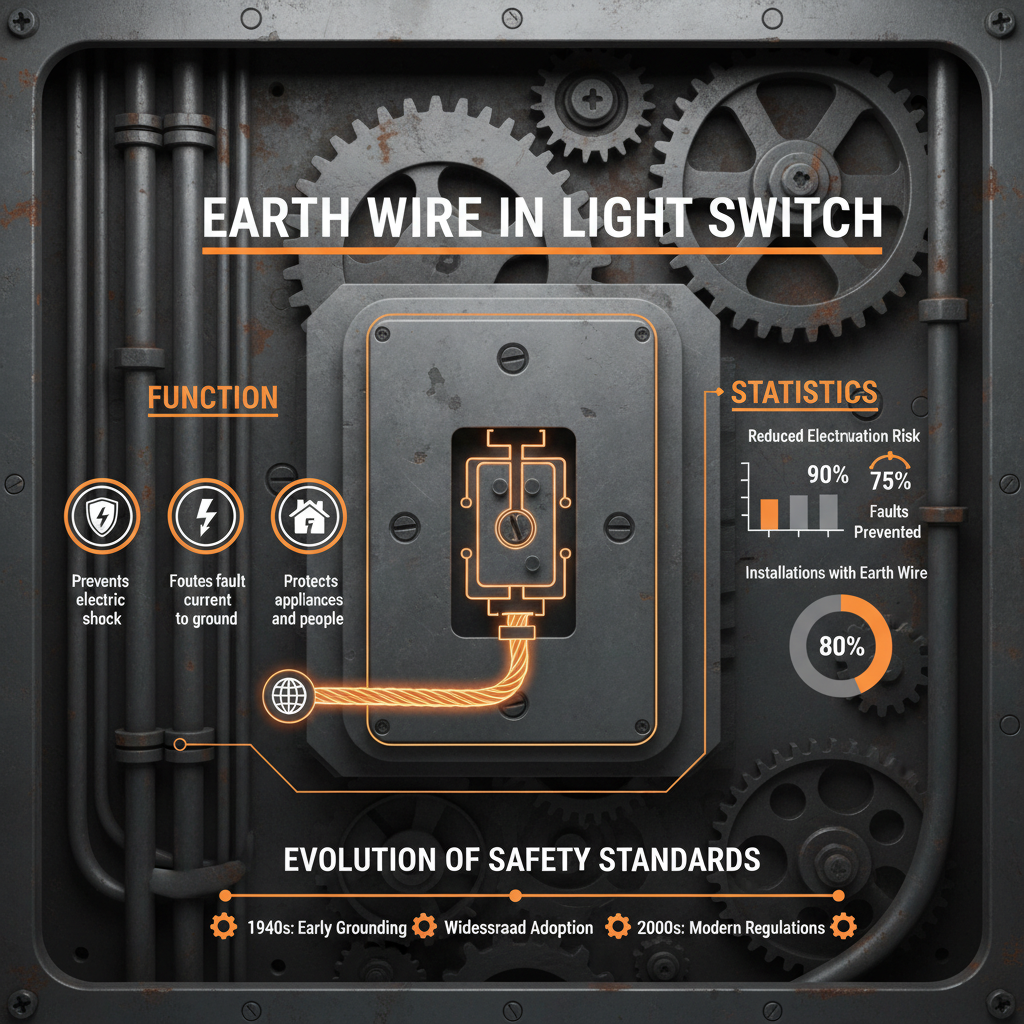
In a light switch, the earth wire is connected to the metal back box and the metal parts of the switch itself. If a live wire inside the switch were to come into contact with the metal casing, the earth wire would immediately conduct the electricity back to the consumer unit (fuse box). This would cause the fuse or circuit breaker to trip, cutting off the electricity supply to the switch and, crucially, preventing anyone touching the switch from receiving an electric shock. The effectiveness of this system relies on a good, low-resistance connection between all grounded components. Regular checks of the earth wire’s connections are essential to ensure its continued functionality. BiloPowtel offers a wide range of switches with integrated grounding features.
Earth Wire Functionality:
• Connected to metal back box and switch components
• Provides low-resistance path for fault current
• Triggers fuse or circuit breaker to trip
• Prevents electric shock
Earth Wire vs. Neutral Wire: Understanding the Difference
It’s crucial not to confuse the earth wire with the neutral wire. The neutral wire carries current back to the source during normal operation, completing the circuit. The earth wire, as explained, only carries current during a fault. Attempting to use the neutral wire as an earth wire is extremely dangerous and can create a severe electrical hazard. The neutral wire is typically blue, while the earth wire is green or green with yellow. Always double-check wiring connections before energizing any electrical circuit. BiloPowtel’s products are clearly labeled for safe and correct installation.
Testing the Earth Wire Connection
Regularly testing the earth wire connection is essential to ensure it’s functioning correctly. This can be done using a specialized earth tester, which measures the resistance between the earth wire and the earth point. A low resistance reading indicates a good connection. If the resistance is high, it suggests a loose connection or corrosion, which needs to be addressed immediately. If you are not comfortable performing this test yourself, it’s best to consult a qualified electrician. BiloPowtel recommends professional electrical safety checks.
Conclusion: Prioritizing Electrical Safety with a Reliable Earth Wire
Prioritizing Safety is Non-Negotiable
The earth wire in a light switch is not merely a component; it's a critical safety feature designed to protect lives and property. Understanding its purpose, ensuring proper installation, and conducting regular testing are vital steps in maintaining a safe electrical system. BiloPowtel is committed to providing reliable and safe electrical products, empowering you to create secure environments.
Frequently Asked Questions (FAQs)
What should I do if my earth wire test shows high resistance?
If your earth wire test shows high resistance, it indicates a problem with the connection. Do not attempt to use the switch or circuit until the issue is resolved. First, visually inspect the connections at the switch, the earth terminal in the consumer unit, and any intermediate connections. Look for signs of corrosion, loose wiring, or damage. If you can safely tighten any loose connections, do so. If the problem persists, or you are uncomfortable working with electricity, immediately consult a qualified electrician. A high resistance reading means the earth wire is not providing an effective path for fault current, leaving you vulnerable to electric shock.
Can I run an extension cord without an earth wire?
Running an extension cord without an earth wire is highly discouraged and potentially dangerous. Modern extension cords are typically three-core cables, including an earth wire for safety. If you encounter an older extension cord lacking an earth wire, it’s best to replace it with a modern, properly grounded alternative. Using an extension cord without an earth wire eliminates the safety protection against electric shock in case of a fault. This is especially risky with appliances that have metal casings. Always prioritize safety and use appropriately grounded extension cords.
How often should I have my electrical system inspected?
It's recommended to have your electrical system inspected by a qualified electrician at least every 10 years, or more frequently if you live in an older property or have concerns about the system's condition. Regular inspections can identify potential hazards such as deteriorated wiring, loose connections, and faulty earthing. A professional electrician can also ensure that your system complies with current safety regulations. Consider having an Electrical Installation Condition Report (EICR) completed to provide a comprehensive assessment of your electrical system's safety.
Latest news
Precision Lifting and Pulling with the Lever Block 0.5 Ton Guide
NewsApr.16,2026
Precision Engineering Guide for High Performance Jet Lever
NewsApr.16,2026
Ultimate Guide to Choosing the Professional Industrial hoist lever
NewsApr.16,2026
Industrial Hoist Lever Chain Guide for Heavy Lifting and Rigging
NewsApr.16,2026
Industrial Lever Hoist Guide for Efficient Lifting and Pulling
NewsApr.16,2026
Ultimate Guide to Hand Ratchet Lift for Heavy Industrial Lifting
NewsApr.16,2026
- CONTACT
- ADDRESS: 188, Fengshou Road, Shijiazhuang. China
- EMAlL: info@bilopowtel.com
- PHONE: 0086-311-88862036
- WHATSAPP: 0086-152-26563165


