



Mar . 14, 2026 01:45 Back to list
Essential Guide to Understanding a Ground Rod for Antenna Systems and Safety
Understanding the Importance of a Ground Rod for Antenna
A properly installed ground rod for antenna systems is crucial for safety, performance, and longevity. It provides a direct path to earth for unwanted electrical currents, protecting both the equipment and personnel. This article will explore the reasons why a ground rod is essential, different types available, proper installation techniques, and factors to consider when selecting the right ground rod for your specific antenna setup. Ensuring a good ground connection significantly improves signal quality and minimizes the risk of damage during electrical storms.
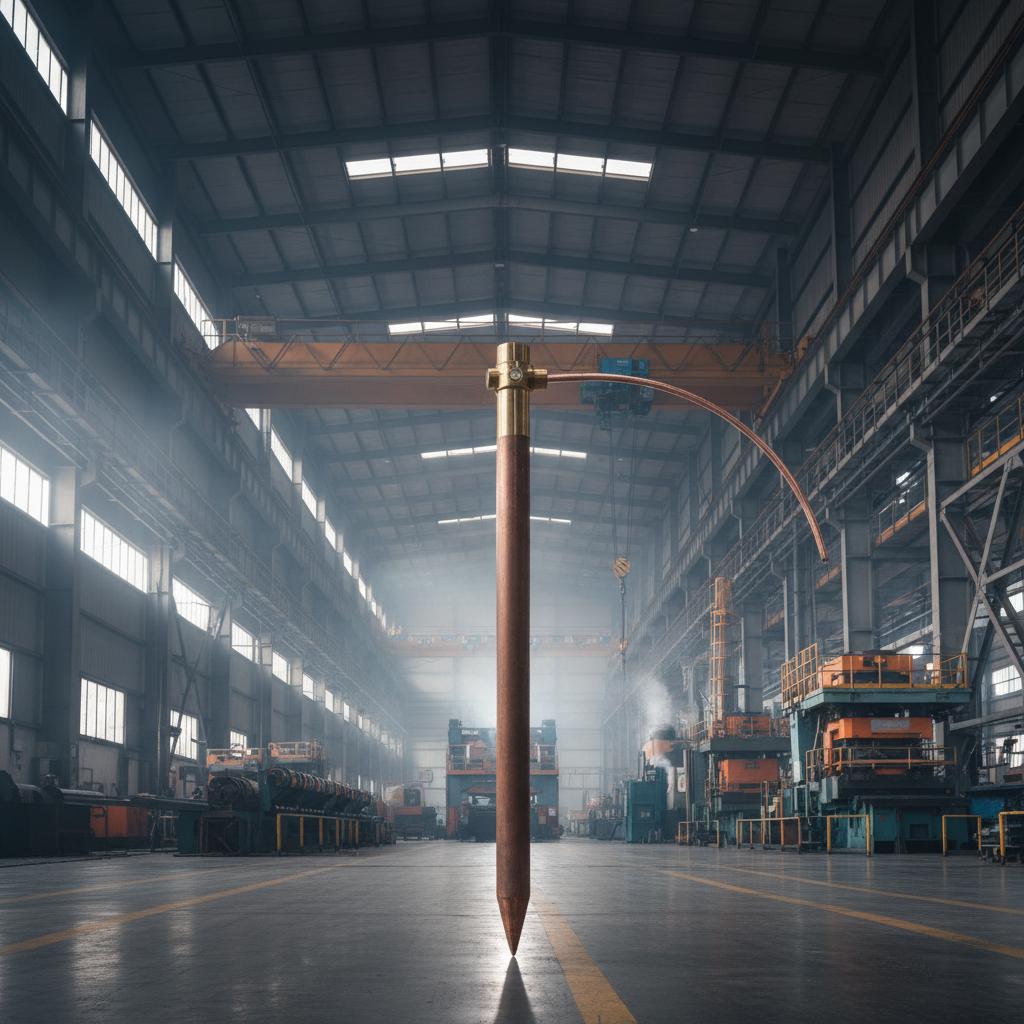
Why is a Ground Rod Important for Antennas?
The primary function of a ground rod is to provide a low-resistance path for stray electrical currents to dissipate into the earth. Antennas, especially those used for radio communication, are susceptible to attracting lightning strikes. A ground rod helps to safely divert the massive energy of a lightning strike, minimizing damage to your antenna, transceiver, and other connected equipment. Beyond lightning protection, grounding also reduces static electricity buildup, improves signal clarity, and minimizes interference. Without proper grounding, equipment is vulnerable to damage and the potential for electrical shock exists. You can browse our range of grounding solutions on our website.
Key Benefits: Provides lightning protection, reduces static buildup, improves signal quality, minimizes interference, and enhances safety.
Types of Ground Rods for Antenna Systems
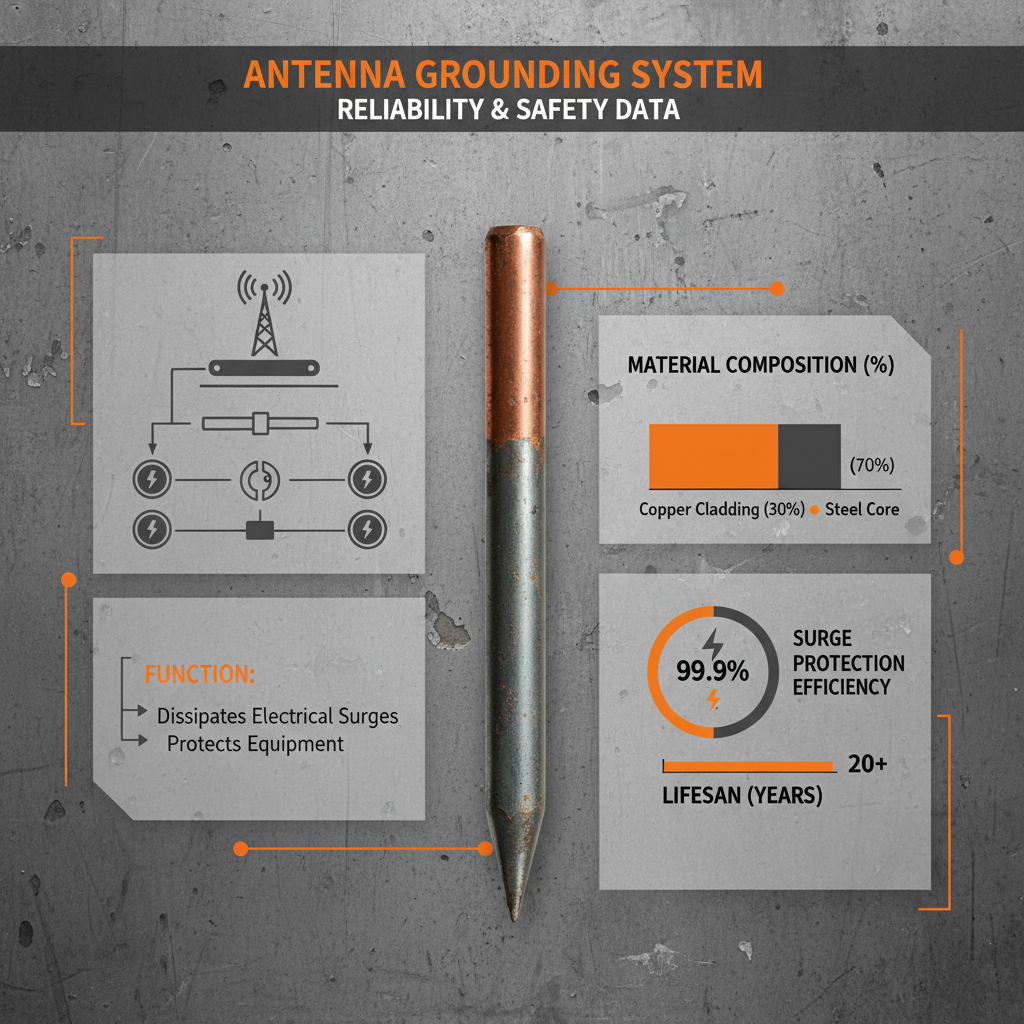
Several types of ground rods are available, each with its pros and cons. Copper-clad steel rods are a popular choice due to their excellent conductivity and durability. Solid copper rods offer the best conductivity but are more expensive and can be prone to theft. Galvanized steel rods are the most affordable option but offer lower conductivity and are susceptible to corrosion over time. The length and diameter of the ground rod also play a crucial role in its effectiveness. Longer and thicker rods generally provide lower resistance to ground. Choosing the right ground rod depends on your budget, soil conditions, and the sensitivity of your antenna system. We offer a diverse range of ground rods suited to various applications.
Ground Rod Comparison:
• Copper-Clad Steel: Excellent conductivity, durable, cost-effective.
• Solid Copper: Best conductivity, more expensive, potential for theft.
• Galvanized Steel: Most affordable, lower conductivity, susceptible to corrosion.
Ground Rod Installation: Best Practices
Proper installation is as important as selecting the right ground rod. The ground rod should be driven vertically into the earth as deeply as possible, ideally at least 8 feet. Multiple ground rods can be used, spaced at least 6 feet apart, and interconnected with a grounding conductor. A grounding conductor, typically a heavy-gauge copper wire, should connect the ground rod to the base of the antenna mast and the electrical grounding system of your building. The connection should be secure and corrosion-resistant. Soil conditions play a significant role; dry or rocky soil may require the use of grounding rods with a larger diameter or the addition of grounding rods. For more details, please refer to our installation guides.
Selecting the Right Ground Rod: Key Considerations
When choosing a ground rod for antenna applications, consider the soil resistivity, antenna height, and frequency of operation. Areas with high soil resistivity require longer or multiple ground rods. Taller antennas and higher frequency operations necessitate more robust grounding systems. It's also important to comply with local electrical codes and regulations. Regularly inspect your grounding system for corrosion or damage and replace any compromised components promptly. A well-maintained grounding system ensures long-term protection and optimal performance.
Conclusion: Protecting Your Investment with Proper Grounding
Investing in a quality ground rod and ensuring its proper installation is a critical step in protecting your antenna system and ensuring reliable performance. From safeguarding against lightning strikes to improving signal clarity, the benefits of effective grounding are undeniable. Don't compromise on safety – choose the right ground rod and follow best practices for installation and maintenance.
Frequently Asked Questions (FAQs)
How often should I inspect my antenna ground rod?
It's recommended to inspect your antenna ground rod at least once a year, and more frequently in areas prone to severe weather. Check for signs of corrosion, damage, or loose connections. Ensure the grounding conductor is securely attached to both the ground rod and the antenna mast. If you notice any issues, address them immediately to maintain the effectiveness of the grounding system. A simple visual inspection can prevent costly repairs or equipment damage.
Can I use multiple ground rods?
Yes, using multiple ground rods is often recommended, especially in areas with poor soil conductivity. When using multiple rods, they should be spaced at least 6 feet apart and interconnected with a grounding conductor. This creates a more extensive grounding network and reduces the overall ground resistance. Bonding all ground rods together ensures a consistent and reliable path to earth.
What gauge wire should I use for the grounding conductor?
The appropriate gauge wire for the grounding conductor depends on the current-carrying capacity required. For most antenna systems, a minimum of 10 AWG copper wire is recommended. In areas prone to lightning, a heavier gauge wire, such as 8 AWG or 6 AWG, is advisable. Always consult local electrical codes and regulations to ensure compliance.
What should I do if my ground rod is corroded?
If you discover corrosion on your ground rod, it's essential to address it promptly. Remove the corroded section and replace it with a new, corrosion-resistant ground rod. Ensure the connection between the grounding conductor and the new ground rod is secure and protected from moisture. Consider using a corrosion inhibitor to prevent future corrosion.
Latest news
Precision Lifting and Pulling with the Lever Block 0.5 Ton Guide
NewsApr.16,2026
Precision Engineering Guide for High Performance Jet Lever
NewsApr.16,2026
Ultimate Guide to Choosing the Professional Industrial hoist lever
NewsApr.16,2026
Industrial Hoist Lever Chain Guide for Heavy Lifting and Rigging
NewsApr.16,2026
Industrial Lever Hoist Guide for Efficient Lifting and Pulling
NewsApr.16,2026
Ultimate Guide to Hand Ratchet Lift for Heavy Industrial Lifting
NewsApr.16,2026
- CONTACT
- ADDRESS: 188, Fengshou Road, Shijiazhuang. China
- EMAlL: info@bilopowtel.com
- PHONE: 0086-311-88862036
- WHATSAPP: 0086-152-26563165


