



Jan . 30, 2026 14:40 Back to list
Essential Guide to Selecting and Utilizing a Hot Stick for Electrical Work
Choosing the Right Hot Stick for Electrical Work
Working with or near electrical systems requires stringent safety protocols and reliable tools. A hot stick, also known as a live line stick, is an essential piece of equipment for electrical professionals, allowing them to safely manipulate live conductors from a distance. This article provides a comprehensive guide to understanding, selecting, and utilizing hot sticks, ensuring safe and efficient electrical work. Proper selection and use of a hot stick can significantly reduce the risk of electrical shock and arc flash incidents. We’ll explore the critical factors to consider when choosing a hot stick for your specific needs.
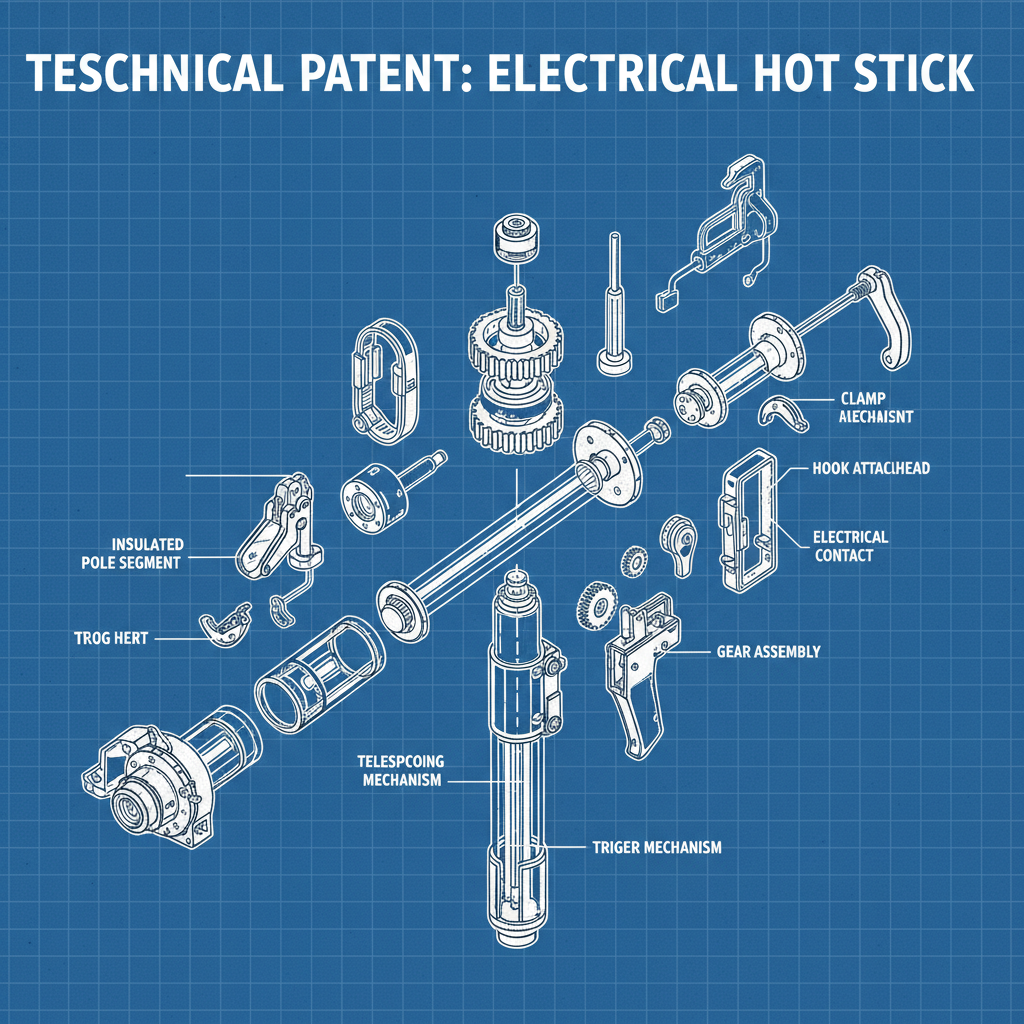
Understanding Hot Sticks and Their Importance
A hot stick is a non-conductive tool used by linemen and other electrical workers to safely operate electrical equipment while it's energized. They are typically made from fiberglass reinforced plastic (FRP) or wood, and are designed to provide a safe working distance from live conductors. The primary function of a hot stick is to minimize the risk of electrical contact, protecting workers from potentially fatal shocks. They're used for a variety of tasks, including switching, grounding, and manipulating electrical components. Regular inspection and maintenance are crucial to ensure the integrity and effectiveness of the hot stick.
Key Highlights: Hot sticks are crafted from non-conductive materials like FRP or wood to ensure worker safety when interacting with energized electrical components.
Key Considerations When Selecting a Hot Stick
Choosing the right hot stick involves several considerations. Voltage rating is paramount – the stick must be rated for the maximum voltage of the system you’ll be working on. Length is also crucial, providing adequate working distance. The type of work you'll be performing will influence the specific head attachment needed (e.g., switching hook, grounding clamp). Additionally, consider the weight and ergonomics of the stick, ensuring it's comfortable and manageable for extended use. A high-quality hot stick will be a valuable asset in any electrical work environment.
Selection Criteria:
• Voltage Rating: Must exceed the maximum system voltage.
• Length: Provide adequate working distance.
• Head Attachment: Match the specific task.
• Ergonomics: Comfortable and manageable.
Hot Stick Types and Applications: A Detailed Comparison
Different types of hot sticks are designed for specific applications. Switching sticks are used for operating switches and isolators. Grounding sticks are used to establish a temporary ground connection for safety. Voltage detection sticks help verify the absence of voltage before working on a circuit. Universal sticks offer versatility with interchangeable head attachments. The choice depends on the task at hand and the specific requirements of the electrical system. Understanding the different types ensures you have the right tool for the job.
Proper Inspection and Maintenance of Hot Sticks
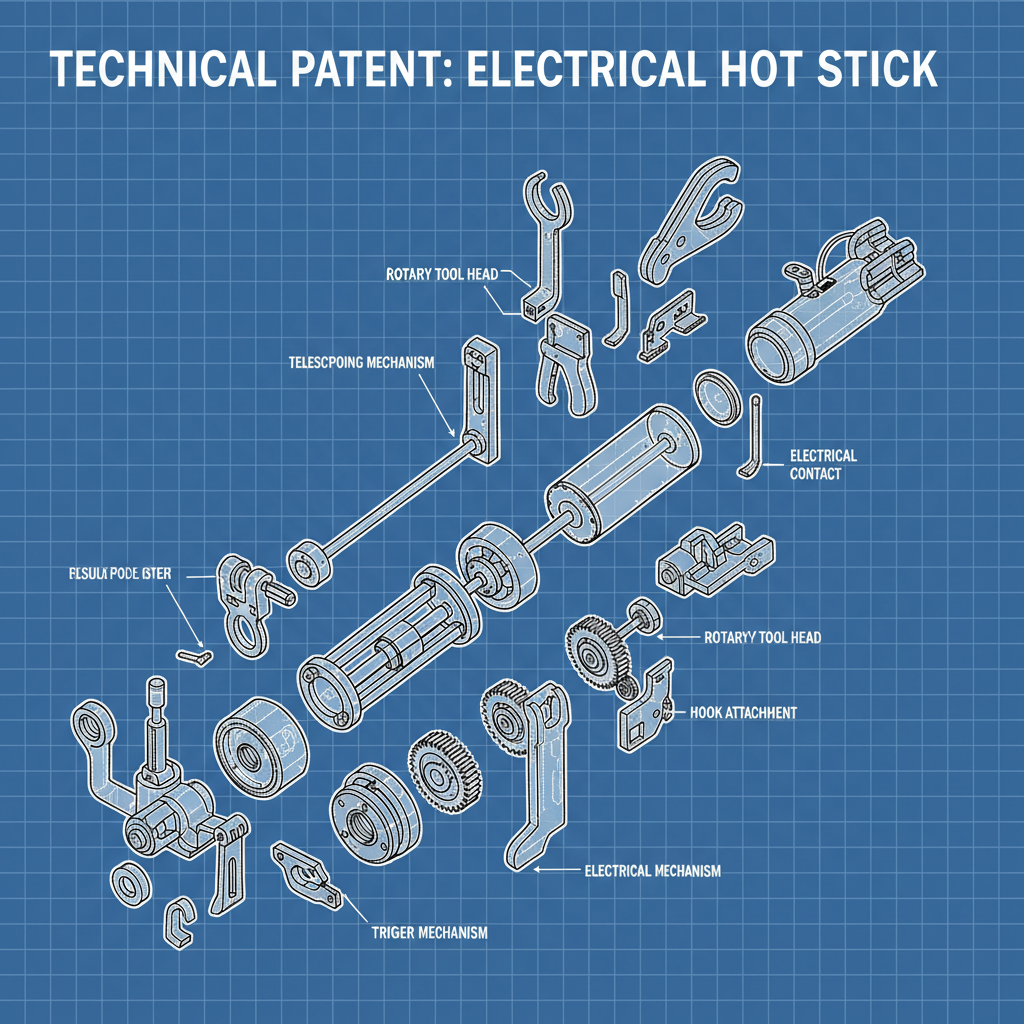
Regular inspection and maintenance are critical for ensuring the safety and reliability of hot sticks. Before each use, thoroughly inspect the stick for any signs of damage, such as cracks, chips, or deterioration of the insulating material. Check the head attachment for secureness and proper functioning. Clean the stick with a mild detergent and water, avoiding abrasive cleaners. Store the stick in a dry, protected environment away from direct sunlight and extreme temperatures. A damaged hot stick should be immediately removed from service. Bilopowtel offers a variety of hot sticks and related accessories.
Safety Procedures When Using Hot Sticks
Always follow established safety procedures when using hot sticks. Wear appropriate personal protective equipment (PPE), including safety glasses, gloves, and arc-rated clothing. Ensure the work area is clear of obstructions. Never use a hot stick if you are not properly trained. Maintain a safe working distance from energized components. Communicate clearly with other team members. Regularly review and update safety protocols to reflect best practices. Prioritizing safety is paramount when working with electricity and utilizing hot sticks.
Conclusion: Ensuring Electrical Safety with the Right Hot Stick
Choosing and using the correct hot stick is crucial for electrical safety. Understanding the different types, performing regular inspections, and following established safety procedures are essential for protecting yourself and your colleagues. Investing in high-quality hot sticks and providing adequate training are vital steps in creating a safe and efficient work environment.
Frequently Asked Questions (FAQs)
What is the typical lifespan of a hot stick?
The lifespan of a hot stick varies based on usage, environmental factors, and adherence to maintenance procedures. Generally, hot sticks should be replaced every 5-10 years, even without visible damage. More frequent replacement may be necessary in harsh environments or with heavy use. Regular inspections can help determine if a hot stick needs to be replaced sooner. Always refer to the manufacturer's recommendations for specific lifespan guidelines.
What voltage rating should I choose for my hot stick?
The voltage rating of your hot stick must always exceed the maximum voltage of the electrical system you will be working on. It's best to choose a stick with a higher voltage rating than the system voltage to provide an extra margin of safety. Consult with your company's safety officer or a qualified electrical engineer to determine the appropriate voltage rating for your specific application.
How do I properly clean and store a hot stick?
To clean a hot stick, use a mild detergent and water, avoiding abrasive cleaners that could damage the insulating material. Rinse thoroughly and allow to dry completely before storing. Store the hot stick in a dry, protected environment away from direct sunlight, extreme temperatures, and physical damage. Avoid storing it with other tools that could cause scratches or abrasions. Regular cleaning and proper storage will help prolong the lifespan of your hot stick and ensure its effectiveness.
What should I do if I suspect a hot stick is damaged?
If you suspect a hot stick is damaged, immediately remove it from service. Do not use it under any circumstances. Inspect the stick thoroughly for cracks, chips, or any other signs of deterioration. Report the damage to your supervisor or safety officer. A damaged hot stick compromises your safety and must be replaced before further use. Proper disposal of damaged hot sticks should follow your company’s safety protocols.
Latest news
Precision Lifting and Pulling with the Lever Block 0.5 Ton Guide
NewsApr.16,2026
Precision Engineering Guide for High Performance Jet Lever
NewsApr.16,2026
Ultimate Guide to Choosing the Professional Industrial hoist lever
NewsApr.16,2026
Industrial Hoist Lever Chain Guide for Heavy Lifting and Rigging
NewsApr.16,2026
Industrial Lever Hoist Guide for Efficient Lifting and Pulling
NewsApr.16,2026
Ultimate Guide to Hand Ratchet Lift for Heavy Industrial Lifting
NewsApr.16,2026
- CONTACT
- ADDRESS: 188, Fengshou Road, Shijiazhuang. China
- EMAlL: info@bilopowtel.com
- PHONE: 0086-311-88862036
- WHATSAPP: 0086-152-26563165


