



Feb . 27, 2026 01:45 Back to list
Comprehensive Guide to Welding Earth Wire Safety and Selection Practices
Understanding Welding Earth Wires: A Comprehensive Guide
Welding is a critical process across numerous industries, and ensuring safety is paramount. A crucial, yet often overlooked, component of welding safety is the welding earth wire (also known as a ground cable). This article provides a thorough overview of welding earth wires, their importance, types, selection criteria, and best practices for use. Understanding these details is essential for welders and safety managers alike to maintain a secure and efficient welding environment. Bilopowtel offers a wide range of high-quality welding earth wires to meet diverse needs.
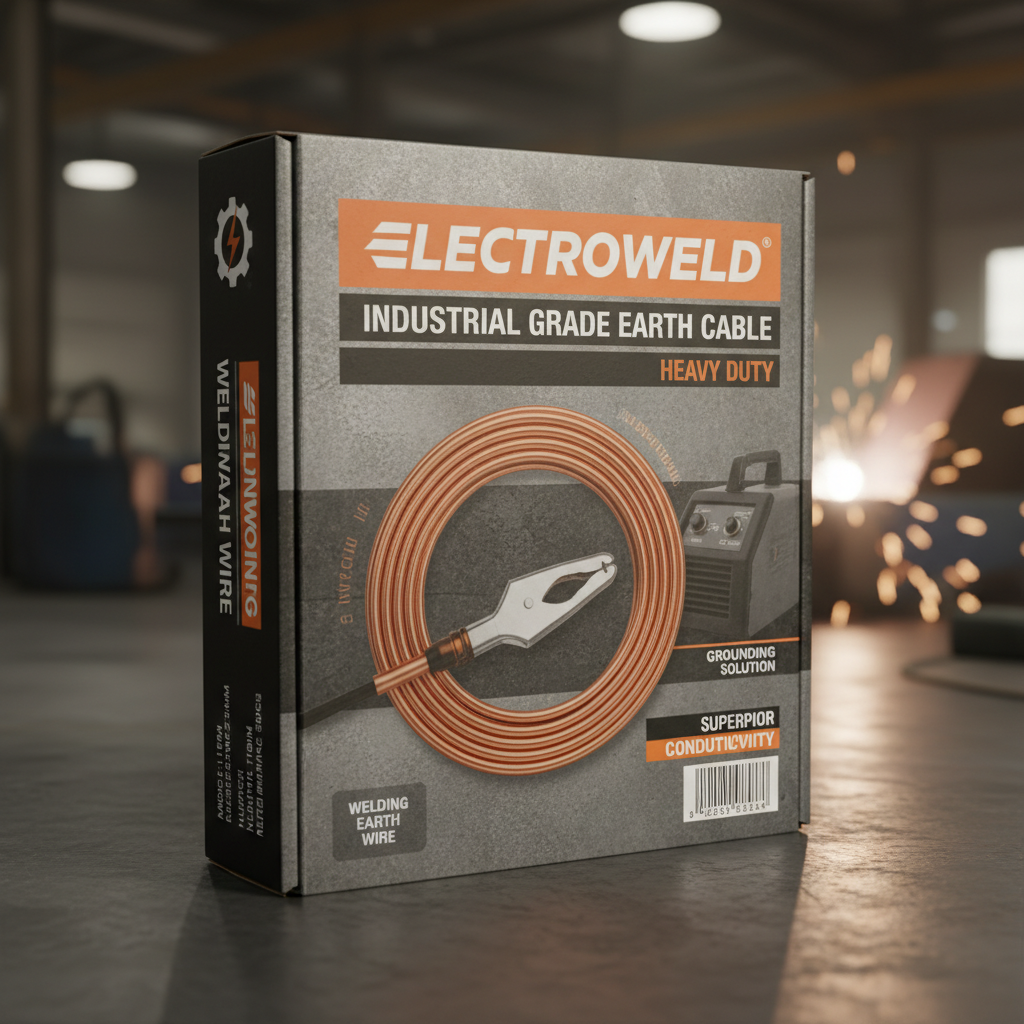
Why is a Welding Earth Wire Important?
The welding earth wire completes the electrical circuit necessary for welding. Without a properly connected earth wire, the welding process won’t function. More importantly, a faulty or inadequate earth wire poses serious safety risks, including electric shock, burns, and damage to the welding equipment. The earth wire provides a low-resistance path for the welding current to return to the power source, preventing the build-up of dangerous voltage on the workpiece. A good connection minimizes arc instability and improves weld quality. Always prioritize using a high-quality welding earth wire to ensure safe and reliable operation.
Key Benefits: Safe operation, stable arc, reduced risk of electric shock, improved weld quality, prevents damage to equipment.
Types of Welding Earth Wires
Welding earth wires come in various types, each suited to specific welding applications and amperage requirements. Common types include:
- Copper Earth Wires: Offer excellent conductivity and flexibility, ideal for high-amperage welding.
- Tinned Copper Earth Wires: Provide enhanced corrosion resistance, making them suitable for outdoor or harsh environments.
- Steel Braided Earth Wires: Offer increased durability and flexibility, often used in heavy-duty applications.
- PVC Coated Earth Wires: Provide added insulation and protection against abrasion.
The choice of earth wire depends on the welding process, the material being welded, and the environmental conditions. Bilopowtel stocks a comprehensive range of these types to cater for all welding needs.
Choosing the Right Type:
• High Amperage: Copper or tinned copper
• Outdoor/Harsh Environments: Tinned copper or PVC coated
• Heavy-Duty Applications: Steel braided
Welding Earth Wire Selection: Key Considerations
Selecting the correct welding earth wire involves considering several factors. The most important is the amperage rating of your welding machine. The earth wire must be capable of handling the maximum current output of the welder without overheating. Wire gauge (thickness) is directly related to amperage capacity – larger gauge wires can handle higher currents. Length is also a factor; longer wires have more resistance. Finally, consider the environment; tinned copper or PVC coated wires offer better protection in wet or corrosive conditions. Refer to the table below for guidance:
Best Practices for Using Welding Earth Wires
Proper use and maintenance of welding earth wires are essential for safety and performance. Always ensure a clean and secure connection to the workpiece, free of paint, rust, or other contaminants. Regularly inspect the wire for damage, such as cuts, fraying, or corrosion. Replace damaged wires immediately. Avoid draping the earth wire over sharp edges or hot surfaces. When not in use, store the wire properly to prevent damage. Using the correct welding earth wire clamp is also vital for a secure connection.
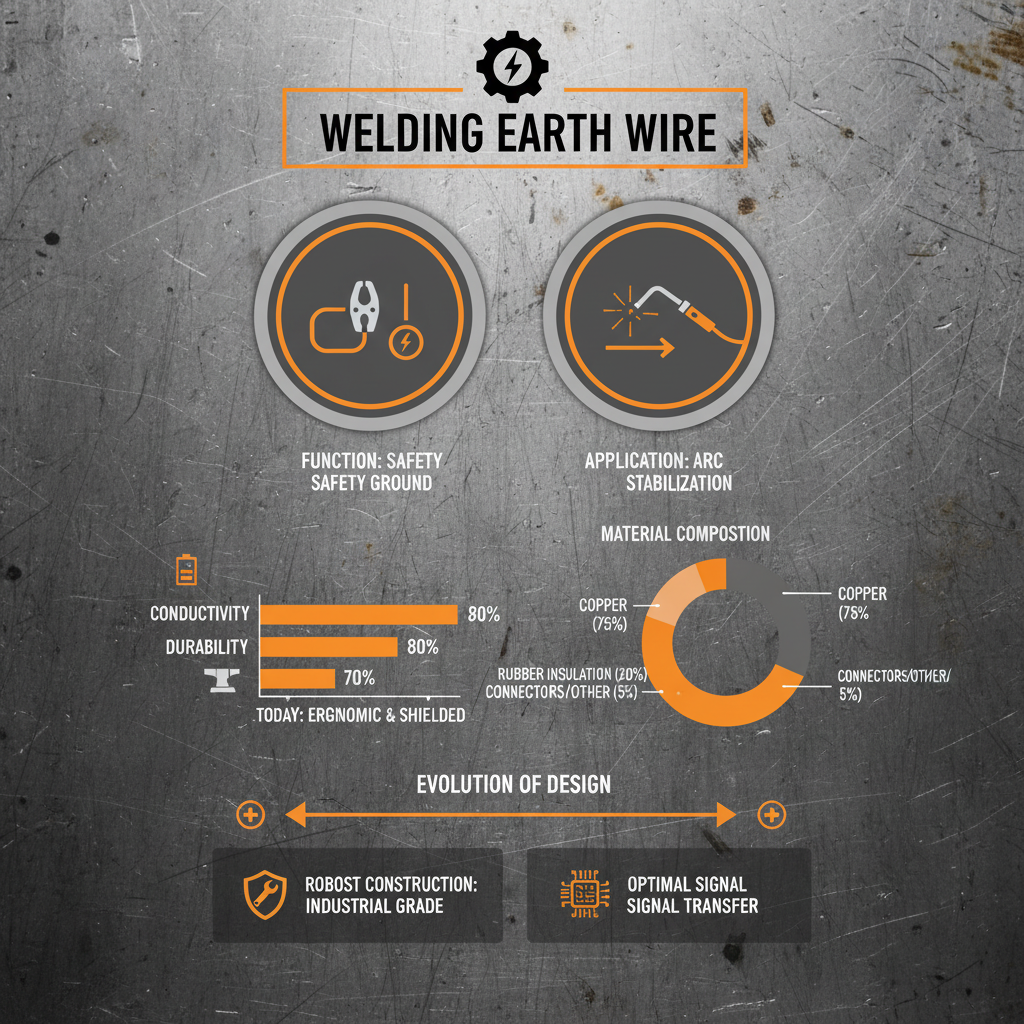
Conclusion: Prioritize Safety with Quality Earth Wires
The welding earth wire is a fundamental component of any welding operation. Choosing the right type and following best practices for its use are crucial for ensuring safety, preventing damage to equipment, and achieving high-quality welds. Investing in a durable and reliable welding earth wire from a reputable supplier like Bilopowtel is a smart decision that pays dividends in terms of safety and productivity.
Frequently Asked Questions (FAQs)
What is the best way to clean a welding earth connection?
The best way to clean a welding earth connection is to use a wire brush to remove any paint, rust, or other contaminants. You can also use a grinding disc or sandpaper for heavier corrosion. Ensure the surface is bright metal for optimal conductivity. Applying a conductive paste can further enhance the connection, especially in challenging environments. A clean connection is vital for a stable arc and preventing voltage drops.
How often should I replace my welding earth wire?
Replace your welding earth wire whenever you notice any signs of damage, such as cuts, fraying, or corrosion. Even if there’s no visible damage, it's a good practice to replace the wire every 1-2 years, depending on usage frequency and environmental conditions. Regular inspection is key. A worn or damaged earth wire can compromise safety and weld quality.
Can I use a different gauge earth wire than recommended?
Using a different gauge earth wire than recommended is not advisable. Using a wire that is too small can lead to overheating, voltage drop, and potential fire hazards. A wire that is too large might be unnecessarily bulky and difficult to manage. Always adhere to the amperage ratings and gauge recommendations provided by your welding machine manufacturer and the earth wire supplier, like Bilopowtel.
What is the purpose of a welding earth clamp?
The welding earth clamp securely connects the welding earth wire to the workpiece. It provides a low-resistance electrical connection, ensuring a stable and consistent return path for the welding current. A good quality clamp is essential for minimizing voltage drops and preventing arc instability. Choose a clamp that is appropriately sized for the earth wire and workpiece material.
Latest news
Precision Lifting and Pulling with the Lever Block 0.5 Ton Guide
NewsApr.16,2026
Precision Engineering Guide for High Performance Jet Lever
NewsApr.16,2026
Ultimate Guide to Choosing the Professional Industrial hoist lever
NewsApr.16,2026
Industrial Hoist Lever Chain Guide for Heavy Lifting and Rigging
NewsApr.16,2026
Industrial Lever Hoist Guide for Efficient Lifting and Pulling
NewsApr.16,2026
Ultimate Guide to Hand Ratchet Lift for Heavy Industrial Lifting
NewsApr.16,2026
- CONTACT
- ADDRESS: 188, Fengshou Road, Shijiazhuang. China
- EMAlL: info@bilopowtel.com
- PHONE: 0086-311-88862036
- WHATSAPP: 0086-152-26563165


