



Mar . 03, 2026 18:05 Back to list
Comprehensive Guide to Utilizing a 6 Grounding Rod System for Electrical Safety
Understanding the Role of 6 Grounding Rod Systems
In the realm of electrical safety, particularly for structures and equipment exposed to lightning or significant electrical surges, a robust grounding system is absolutely critical. A key component of many such systems is the use of multiple grounding rods. This article delves into the importance of using 6 grounding rods, their advantages, installation best practices, and how they contribute to overall safety and compliance. We'll explore why a 6-rod system often provides a superior level of protection compared to fewer rods, particularly in challenging soil conditions. Protecting your assets and ensuring safety are paramount, and a well-designed grounding system is the first line of defense.
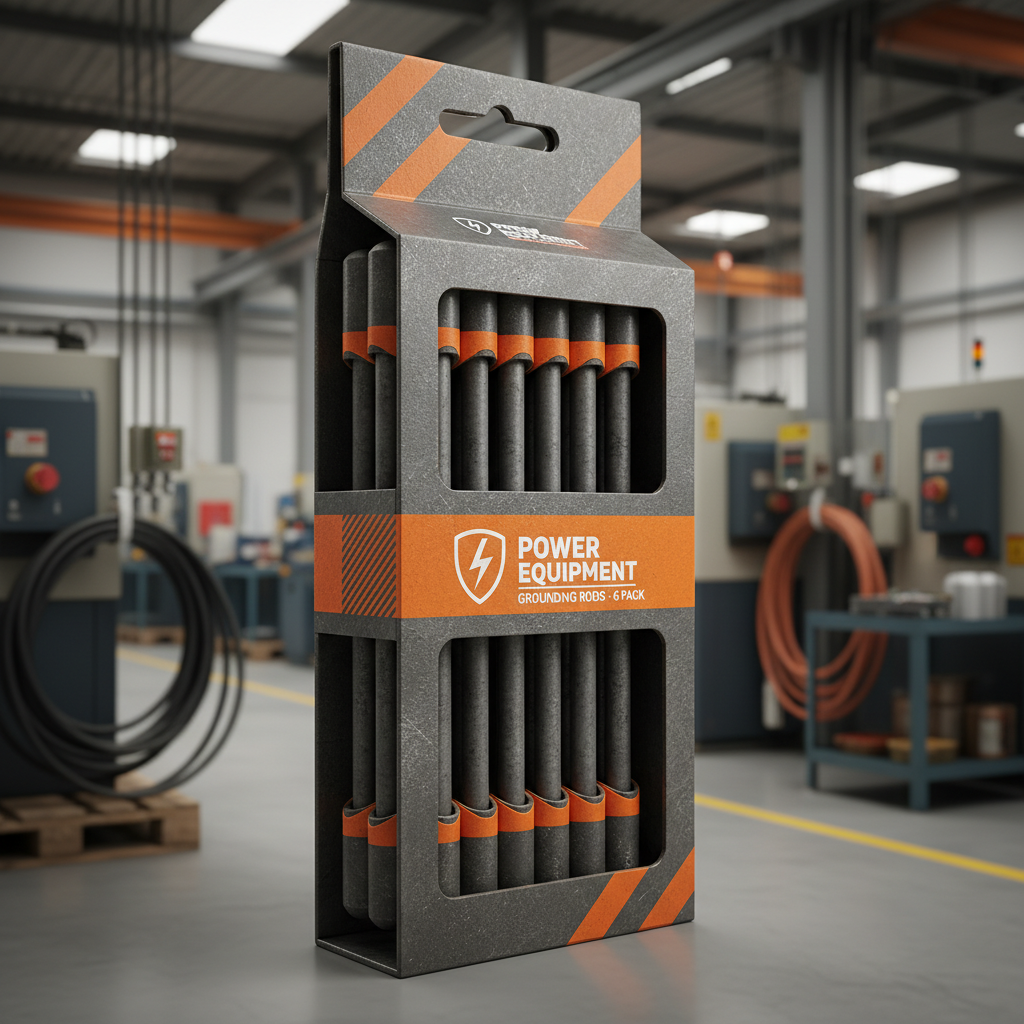
Why Utilize a 6 Grounding Rod System?
Using six grounding rods instead of fewer offers several significant benefits. Firstly, it dramatically increases the surface area in contact with the earth, reducing grounding resistance. Lower resistance means a more effective path for dissipating electrical surges, minimizing potential damage to equipment and reducing the risk of electrical shock. Secondly, a 6-rod system provides redundancy. If one rod becomes damaged or corroded, the others continue to provide grounding protection. This is especially important in areas with aggressive soil chemistry. Finally, a 6-rod configuration can better address variations in soil conductivity, ensuring a consistent and reliable ground connection across the entire area. This is crucial for complex structures or facilities with extensive electrical systems.
Key Highlights: Increased surface area, redundancy, addresses soil variations, and improves overall system reliability.
6 Grounding Rod Installation Best Practices
Proper installation is just as critical as the number of rods used. Rods should be installed in a ring or grid pattern surrounding the structure or equipment being protected. The rods should be driven to a consistent depth – typically 8 to 10 feet – to reach stable soil conditions. Connecting the rods is vital; use approved grounding conductors (typically copper) and exothermic welding to create low-resistance connections. Always inspect the rods for damage before installation and avoid driving them into rocky terrain, as this can compromise their effectiveness. Furthermore, regular inspections and testing of the grounding system are crucial to ensure continued performance. You can find high-quality grounding rods and accessories at Bilopowtel.
Installation Essentials:
• Ring or grid pattern
• Consistent depth (8-10 feet)
• Approved grounding conductors
• Exothermic welding for connections
Grounding Rod Materials: Copper vs. Copper-Clad Steel
Grounding rods are typically made of either solid copper or copper-clad steel. Solid copper rods offer the lowest resistance and are highly corrosion-resistant, making them ideal for aggressive soil environments. However, they are significantly more expensive than copper-clad steel rods. Copper-clad steel rods consist of a steel core surrounded by a layer of copper. They provide a good balance of conductivity, strength, and cost-effectiveness. While less corrosion-resistant than solid copper, they are often sufficient in many applications. The choice depends on the specific soil conditions, budget, and longevity requirements.
Applications Where 6 Grounding Rods Are Recommended
A 6-rod grounding system is particularly recommended for several applications. These include large commercial buildings, industrial facilities with sensitive electronic equipment, data centers, communication towers, and any structure located in areas prone to frequent lightning strikes. In these scenarios, the added protection and redundancy offered by a 6-rod system are invaluable. Moreover, if soil conductivity tests reveal high resistance, a 6-rod configuration is often necessary to achieve acceptable grounding levels.
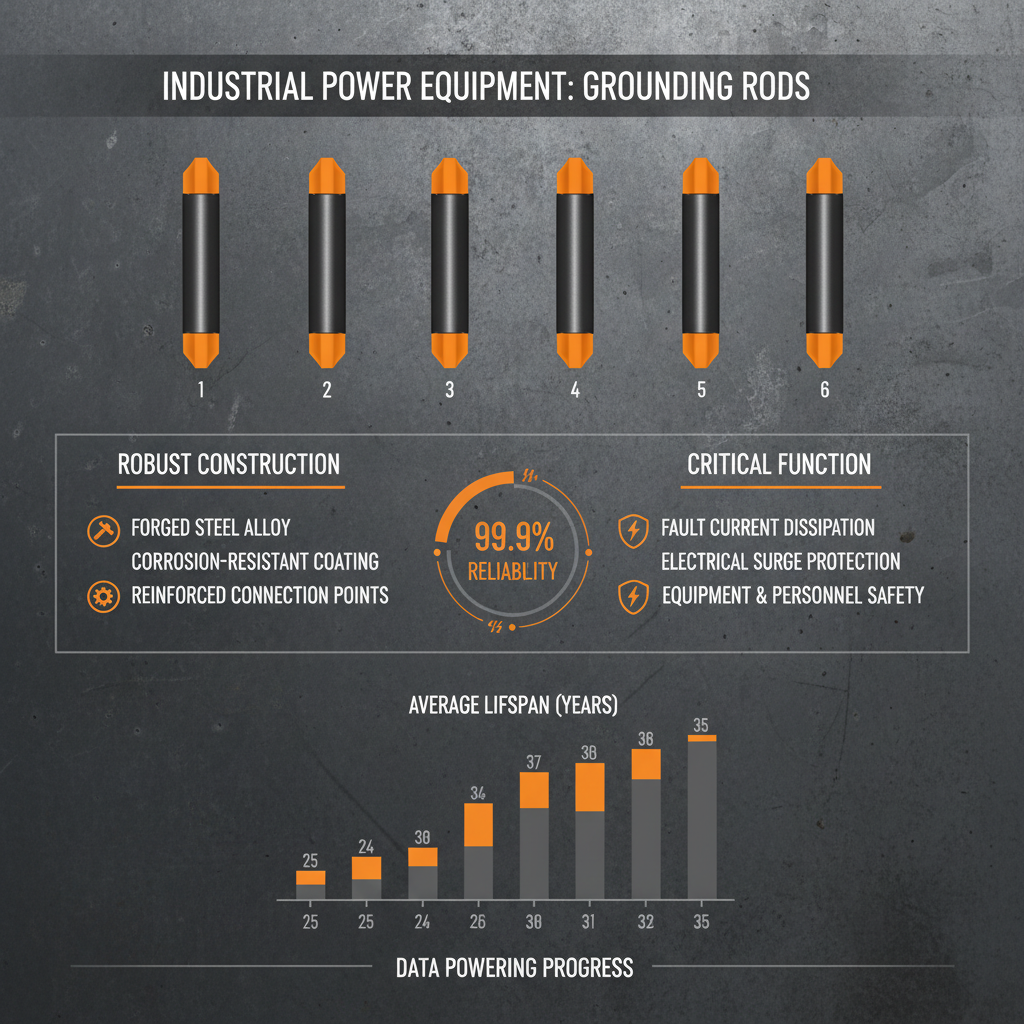
Compliance and Standards for Grounding Systems
Grounding systems must comply with relevant national and local electrical codes, such as the National Electrical Code (NEC) in the United States. These codes specify requirements for grounding electrode systems, including the number and spacing of grounding rods. It is crucial to consult with a qualified electrical engineer to ensure that your grounding system meets all applicable standards. Failure to comply with these standards can result in safety hazards and legal liabilities. Bilopowtel provides products that meet stringent industry standards, ensuring peace of mind.
Conclusion: Investing in a Reliable Grounding System
Implementing a 6 grounding rod system is a proactive step towards ensuring electrical safety and protecting valuable assets. While the initial investment may be slightly higher than using fewer rods, the long-term benefits – including increased protection, redundancy, and compliance – far outweigh the costs. Bilopowtel provides high-quality grounding rods and related products to help you build a robust and reliable grounding system. Don't compromise on safety – choose a system that offers superior protection.
Frequently Asked Questions (FAQs)
What is the recommended spacing between grounding rods in a 6-rod system?
Generally, grounding rods in a 6-rod system should be spaced at intervals equal to the length of the rods themselves. For example, if you are using 8-foot grounding rods, the spacing between them should be approximately 8 feet. This spacing ensures optimal coverage and minimizes overlapping grounding fields. However, specific spacing requirements may vary depending on soil conditions and local electrical codes, so it is essential to consult with a qualified electrical engineer for guidance.
How do I test the effectiveness of my 6-rod grounding system?
The effectiveness of your grounding system can be tested using a ground resistance tester. This device measures the resistance between the grounding electrode (the rods) and a distant ground point. A low resistance reading (typically less than 5 ohms) indicates a good grounding system. Regular testing (at least annually) is recommended to ensure the system continues to perform effectively. Record keeping of these tests is important for compliance and future reference.
Can I add more than 6 grounding rods if needed?
Yes, you can add more grounding rods if the initial system does not achieve acceptable grounding resistance levels, particularly in areas with poor soil conductivity. Adding more rods increases the surface area in contact with the earth, further reducing resistance. However, it’s crucial to maintain proper spacing and connection techniques. Consult with an electrical engineer to determine the optimal number of rods for your specific application.
What type of soil is most challenging for grounding?
Sandy soil and rocky soil are generally the most challenging for grounding due to their low conductivity and difficulty in driving rods to sufficient depth. Clay soil, while more conductive than sand, can become dry and crack, increasing resistance. In these challenging conditions, a 6-rod system (or even more) is often necessary, and the use of specialized grounding techniques, such as chemical grounding rods or ground plates, may be required.
Latest news
Precision Lifting and Pulling with the Lever Block 0.5 Ton Guide
NewsApr.16,2026
Precision Engineering Guide for High Performance Jet Lever
NewsApr.16,2026
Ultimate Guide to Choosing the Professional Industrial hoist lever
NewsApr.16,2026
Industrial Hoist Lever Chain Guide for Heavy Lifting and Rigging
NewsApr.16,2026
Industrial Lever Hoist Guide for Efficient Lifting and Pulling
NewsApr.16,2026
Ultimate Guide to Hand Ratchet Lift for Heavy Industrial Lifting
NewsApr.16,2026
- CONTACT
- ADDRESS: 188, Fengshou Road, Shijiazhuang. China
- EMAlL: info@bilopowtel.com
- PHONE: 0086-311-88862036
- WHATSAPP: 0086-152-26563165


