



Feb . 24, 2026 10:55 Back to list
Comprehensive Guide to Understanding Earthing Wiring in Home Electrical Systems
Understanding Earthing Wiring in Home: A Comprehensive Guide
Earthing, also known as grounding, is a crucial safety feature in any home's electrical system. It provides a path for fault currents to flow safely to the ground, minimizing the risk of electric shock. This article will delve into the essentials of earthing wiring in home, explaining its importance, how it works, common methods, and why it's essential for protecting your family and property. Proper earthing dramatically reduces the danger from electrical faults. We'll cover everything from basic principles to the components involved in a robust earthing system.
Why is Earthing Wiring Important?
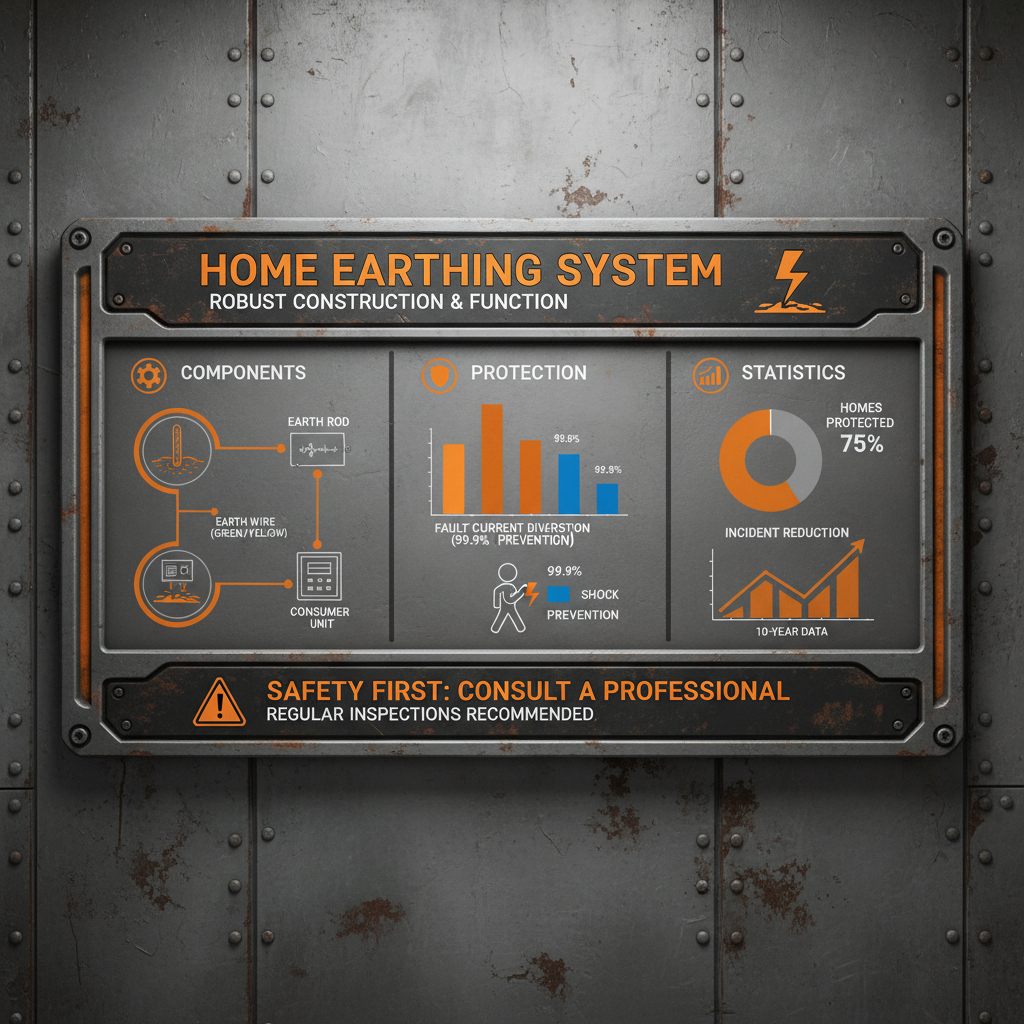
The primary function of earthing is to protect people from electric shock. When a fault occurs – such as a live wire coming into contact with a metal appliance casing – a low-resistance path to the earth is created. This allows a large current to flow, tripping the circuit breaker or blowing a fuse, quickly cutting off the power supply. Without proper earthing, the appliance casing could become live, posing a severe electrocution hazard. Beyond safety, earthing also protects sensitive electronic equipment from voltage spikes and surges, extending their lifespan. A well-maintained earthing system is a cornerstone of electrical safety in any home.
Key Benefits: Protects against electric shock, prevents damage to appliances, and ensures the reliable operation of electrical devices.
How Does Earthing Wiring Work?
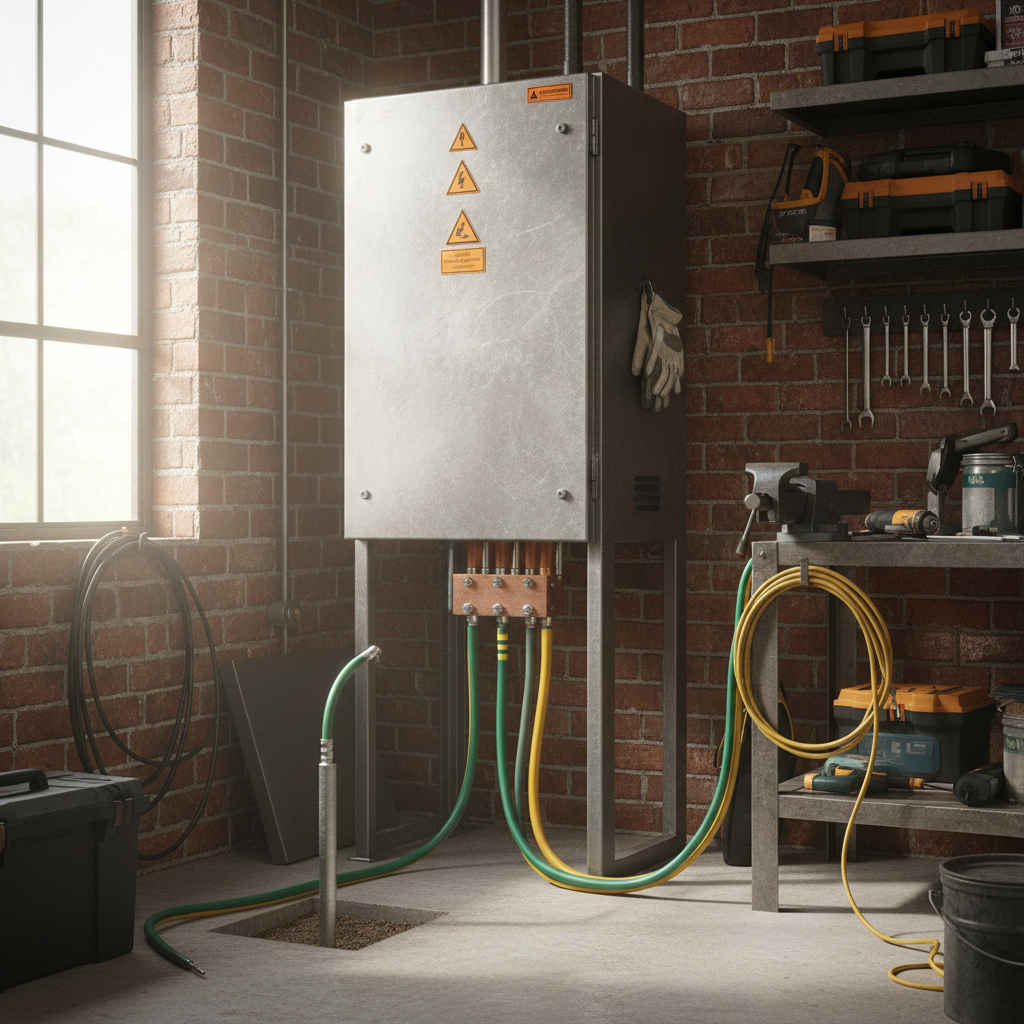
Earthing relies on creating a low-resistance connection between the metallic parts of electrical appliances and the earth. This is achieved through an earthing wire, typically made of copper, that runs from the appliance back to the main earthing terminal in the consumer unit (fuse box). This terminal is connected to a metal rod driven into the ground outside the house. When a fault occurs, the current flows through the earthing wire to the ground, triggering the protective devices (circuit breaker or fuse) to disconnect the power.
The Earthing Process:
• Fault current flows to the appliance casing.
• Current travels through the earthing wire.
• Circuit breaker or fuse trips, cutting off power.
• Protects people and appliances.
Common Methods of Earthing Wiring in Home
Several methods are used for earthing, each with its advantages and disadvantages. The most common methods include: Plate Earthing, Pipe Earthing and Rod Earthing. Plate earthing involves burying a copper or galvanized iron plate in the ground, while pipe earthing uses a galvanized iron pipe. Rod earthing, the most widely used method, employs a copper or galvanized iron rod driven deep into the earth. The choice of method depends on factors such as soil conditions and local regulations. It is recommended to consult with a qualified electrician to determine the most suitable method for your home.
The Importance of Regular Inspection and Maintenance
Like any safety system, earthing wiring requires regular inspection and maintenance. Connections can corrode over time, and the earthing rod may become loose. It’s recommended to have your earthing system inspected by a qualified electrician every few years, or immediately if you suspect a problem. Signs of a faulty earthing system include frequent tripping of circuit breakers, minor electric shocks when touching appliances, and flickering lights.
Choosing the Right Earthing Components with Bilopowtel
At Bilopowtel, we provide high-quality earthing components and solutions for residential and commercial applications. From copper earthing rods and wires to earthing clamps and connectors, we offer a comprehensive range of products designed for safety and reliability. Our products meet industry standards and are rigorously tested to ensure optimal performance. Contact us today to discuss your earthing needs and receive expert advice from our team.
Conclusion: Prioritizing Safety with Effective Earthing
Effective earthing is not just a requirement; it's a critical safety measure that protects your home and loved ones. By understanding the principles of earthing and ensuring a properly installed and maintained system, you can significantly reduce the risk of electrical hazards. Don't compromise on safety – invest in quality earthing components and professional installation.
Frequently Asked Questions (FAQs)
What is the difference between earthing and grounding?
While often used interchangeably, there's a subtle difference. Earthing specifically refers to connecting the electrical system to the earth via an earthing wire and rod. Grounding is a broader term encompassing any connection to the earth for electrical purposes, including shielding and signal return paths. In household electrical systems, the terms are typically used synonymously, referring to the safety connection to the earth.
Can I install earthing wiring myself?
While it might seem tempting to DIY, installing or modifying earthing wiring is strongly discouraged unless you are a qualified and licensed electrician. Incorrect installation can be extremely dangerous and could compromise the safety of your entire electrical system. Always rely on a professional to ensure the work is done correctly and meets all relevant safety standards.
What should I do if I suspect a problem with my earthing system?
If you suspect a problem with your earthing system – such as frequent tripping of circuit breakers, electric shocks, or flickering lights – immediately disconnect the power supply and contact a qualified electrician. Do not attempt to diagnose or repair the issue yourself. A professional can identify the source of the problem and ensure your electrical system is safe.
How often should the earthing electrode be replaced?
The earthing electrode (rod, plate, or pipe) doesn’t have a fixed replacement schedule, but it should be inspected during routine electrical system checks (every few years). Factors like soil corrosion can degrade its effectiveness. If the resistance to earth increases significantly, or if visual inspection reveals corrosion, replacement is recommended. A qualified electrician can perform resistance testing to determine the electrode’s condition.
Latest news
Precision Lifting and Pulling with the Lever Block 0.5 Ton Guide
NewsApr.16,2026
Precision Engineering Guide for High Performance Jet Lever
NewsApr.16,2026
Ultimate Guide to Choosing the Professional Industrial hoist lever
NewsApr.16,2026
Industrial Hoist Lever Chain Guide for Heavy Lifting and Rigging
NewsApr.16,2026
Industrial Lever Hoist Guide for Efficient Lifting and Pulling
NewsApr.16,2026
Ultimate Guide to Hand Ratchet Lift for Heavy Industrial Lifting
NewsApr.16,2026
- CONTACT
- ADDRESS: 188, Fengshou Road, Shijiazhuang. China
- EMAlL: info@bilopowtel.com
- PHONE: 0086-311-88862036
- WHATSAPP: 0086-152-26563165


