



Feb . 22, 2026 01:45 Back to list
Comprehensive Guide to Earth Wire Houses for Electrical Safety
Understanding Earth Wire Houses: A Comprehensive Guide
When establishing a reliable grounding system for your electrical infrastructure, the concept of an earth wire house, or earth pit chamber, is crucial. This article provides a detailed overview of earth wire houses, their components, construction, maintenance, and importance in ensuring electrical safety. We will explore why investing in a well-designed and maintained earth wire house is paramount for protecting personnel and equipment from electrical faults. A properly constructed earth wire house significantly reduces the risk of electric shock and damage to sensitive electrical systems.
What is an Earth Wire House?
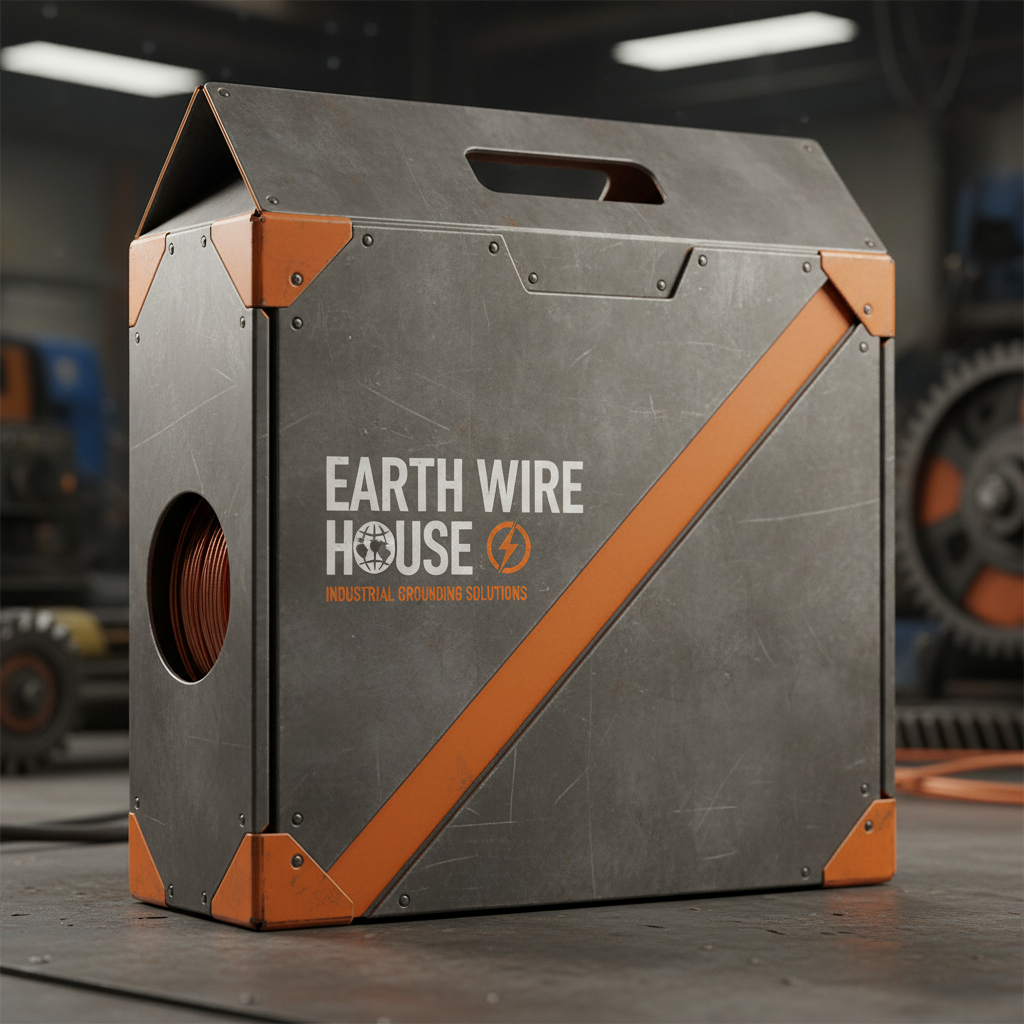
An earth wire house, also known as an earth pit chamber, is a buried structure designed to house and protect the earth electrodes used in an electrical grounding system. It’s more than just a pit; it’s a carefully constructed enclosure that provides a safe and effective connection between the electrical system and the earth. The primary function of an earth wire house is to dissipate fault currents into the ground, minimizing the risk of electrical shocks and damage. It also provides a stable and low-resistance path for the flow of current during ground faults, ensuring the proper operation of protective devices such as circuit breakers and fuses. A well-maintained earth wire house is a fundamental element of any comprehensive electrical safety plan.
Key Takeaway: An earth wire house is a crucial component of a grounding system, providing a safe and effective pathway for fault currents to dissipate into the earth.
Essential Components of an Earth Wire House
A typical earth wire house comprises several key components working in unison. These include the earth pit, the earth electrode (usually copper or GI pipes), the connecting lead, and a protective enclosure. The earth pit is the excavated area, typically filled with layers of charcoal and salt to enhance conductivity. The earth electrode is the conducting material buried in the pit, providing the physical connection to the earth. The connecting lead is the wire connecting the electrical system to the earth electrode. Finally, the protective enclosure, often made of concrete or PVC, safeguards the components from physical damage and corrosion. Proper selection and installation of these components are critical for optimal performance. Bilo Powtel specializes in providing high-quality earth wire house components.
Component Breakdown:
• Earth Pit: Excavated area filled with conductive materials.
• Earth Electrode: Copper or GI pipes buried in the pit.
• Connecting Lead: Wire linking the system to the electrode.
• Protective Enclosure: Concrete or PVC safeguarding components.
Constructing an Effective Earth Wire House
Constructing an earth wire house requires careful planning and execution. First, choose a location with stable soil and away from underground utilities. Excavate a pit of adequate size, typically around 1 meter x 1 meter x 1 meter. Layer the pit with charcoal and salt to improve conductivity. Install the earth electrode vertically, ensuring a secure connection to the connecting lead. Enclose the pit with a protective structure, such as a concrete chamber, leaving access for inspection and maintenance. Finally, thoroughly test the grounding system to verify its effectiveness. Following these steps will ensure a robust and reliable earth wire house.
Maintenance and Testing of Earth Wire Houses
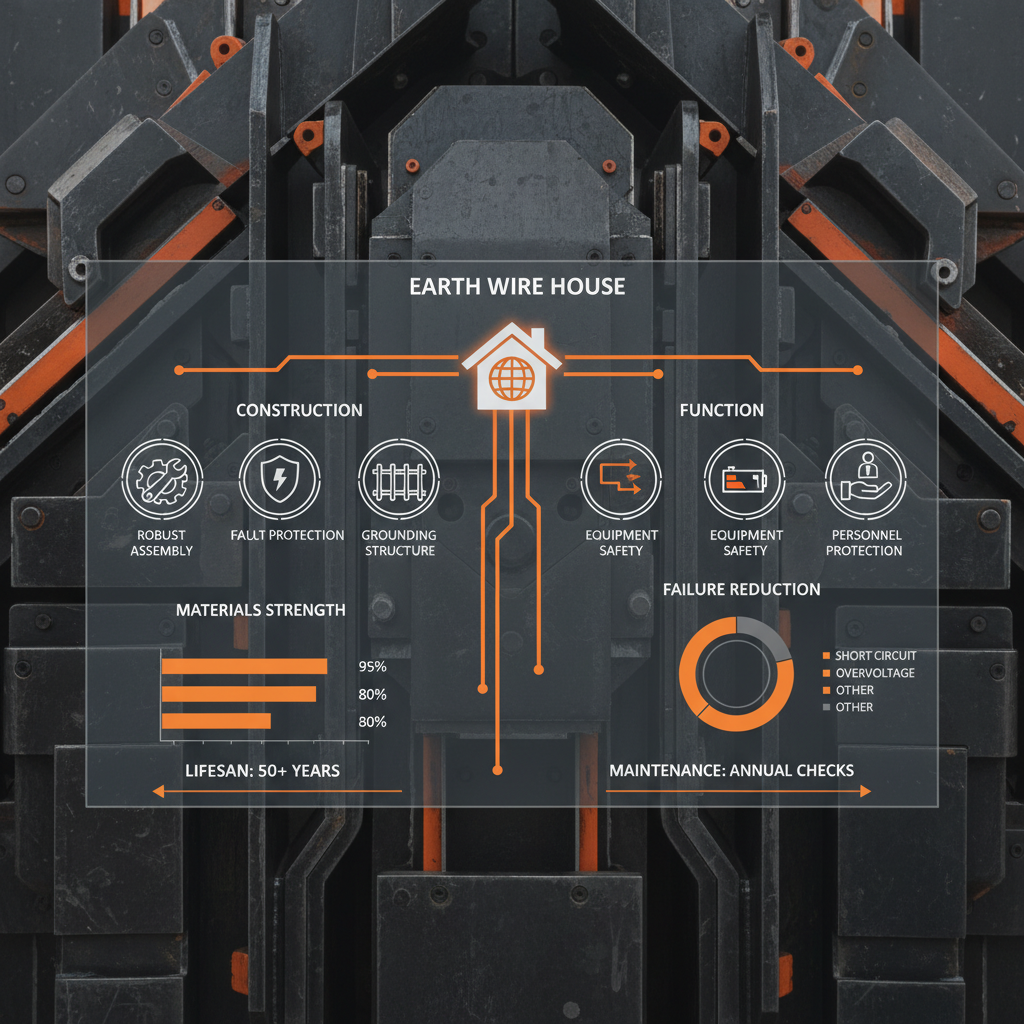
Regular maintenance and testing are vital to ensure the ongoing effectiveness of your earth wire house. Inspect the enclosure for cracks or damage, and check the connecting lead for corrosion. Periodically measure the earth resistance to verify the system's performance. The recommended earth resistance should be below 2 ohms. Recharge the pit with charcoal and salt as needed to maintain conductivity. Keeping meticulous records of maintenance and testing will help identify potential issues before they escalate.
Why Choose Bilo Powtel for Your Earth Wire House Needs?
At Bilo Powtel, we provide comprehensive solutions for earth wire house construction and maintenance. We offer high-quality components, expert installation services, and reliable testing equipment. Our team of experienced engineers can design and build earth wire houses tailored to your specific requirements, ensuring optimal safety and performance. We are committed to delivering innovative and cost-effective grounding solutions that protect your valuable assets and personnel.
Conclusion: Investing in a Robust Earth Wire House
An effective earth wire house is an indispensable element of any safe electrical system. By understanding the components, construction, and maintenance requirements, you can ensure the reliable grounding of your infrastructure. Bilo Powtel is your trusted partner in providing comprehensive earth wire house solutions, safeguarding your operations and personnel.
Frequently Asked Questions (FAQs)
What is the ideal earth resistance value?
Ideally, earth resistance should be below 2 ohms. However, acceptable values can vary depending on local regulations and the specific application. Higher resistance increases the risk of electrical shock and damage to equipment. Regular testing and maintenance are crucial to maintain a low resistance. Factors such as soil moisture content, temperature, and the quality of the earth electrode can all influence earth resistance. If resistance is too high, consider adding additional earth electrodes or improving the conductivity of the soil around the existing electrode.
How often should an earth wire house be inspected?
An earth wire house should be visually inspected at least annually, and a full resistance test should be conducted every six months. During the visual inspection, check for any signs of damage to the enclosure, corrosion on the connecting lead, and the overall condition of the earth electrode. The resistance test will confirm whether the system is functioning correctly. More frequent inspections may be necessary in harsh environments or in critical applications.
What materials are best for the earth electrode?
Copper and galvanized iron (GI) are the most common materials used for earth electrodes. Copper offers excellent conductivity and corrosion resistance, making it a preferred choice for critical applications. GI pipes are more affordable and provide adequate conductivity for many applications. The choice of material depends on factors such as budget, soil conditions, and the level of protection required. Ensure the electrode is properly grounded and connected to the connecting lead for optimal performance. Bilo Powtel provides both copper and GI earth electrodes.
Latest news
Precision Lifting and Pulling with the Lever Block 0.5 Ton Guide
NewsApr.16,2026
Precision Engineering Guide for High Performance Jet Lever
NewsApr.16,2026
Ultimate Guide to Choosing the Professional Industrial hoist lever
NewsApr.16,2026
Industrial Hoist Lever Chain Guide for Heavy Lifting and Rigging
NewsApr.16,2026
Industrial Lever Hoist Guide for Efficient Lifting and Pulling
NewsApr.16,2026
Ultimate Guide to Hand Ratchet Lift for Heavy Industrial Lifting
NewsApr.16,2026
- CONTACT
- ADDRESS: 188, Fengshou Road, Shijiazhuang. China
- EMAlL: info@bilopowtel.com
- PHONE: 0086-311-88862036
- WHATSAPP: 0086-152-26563165


