



Feb . 20, 2026 01:45 Back to list
Comprehensive Guide to Earth Wire 6mm Selection and Installation Practices
Understanding Earth Wire 6mm: A Comprehensive Guide
Earth wire, also known as ground wire, is a vital component of any electrical system, ensuring safety by providing a path for fault currents. Choosing the correct size, like 6mm earth wire, is crucial for effective protection. This article will explore the importance of earth wires, factors determining the appropriate size, applications of 6mm earth wire, installation best practices, standards compliance, and where to source high-quality products. Proper grounding is essential for preventing electric shock and minimizing damage to electrical equipment.
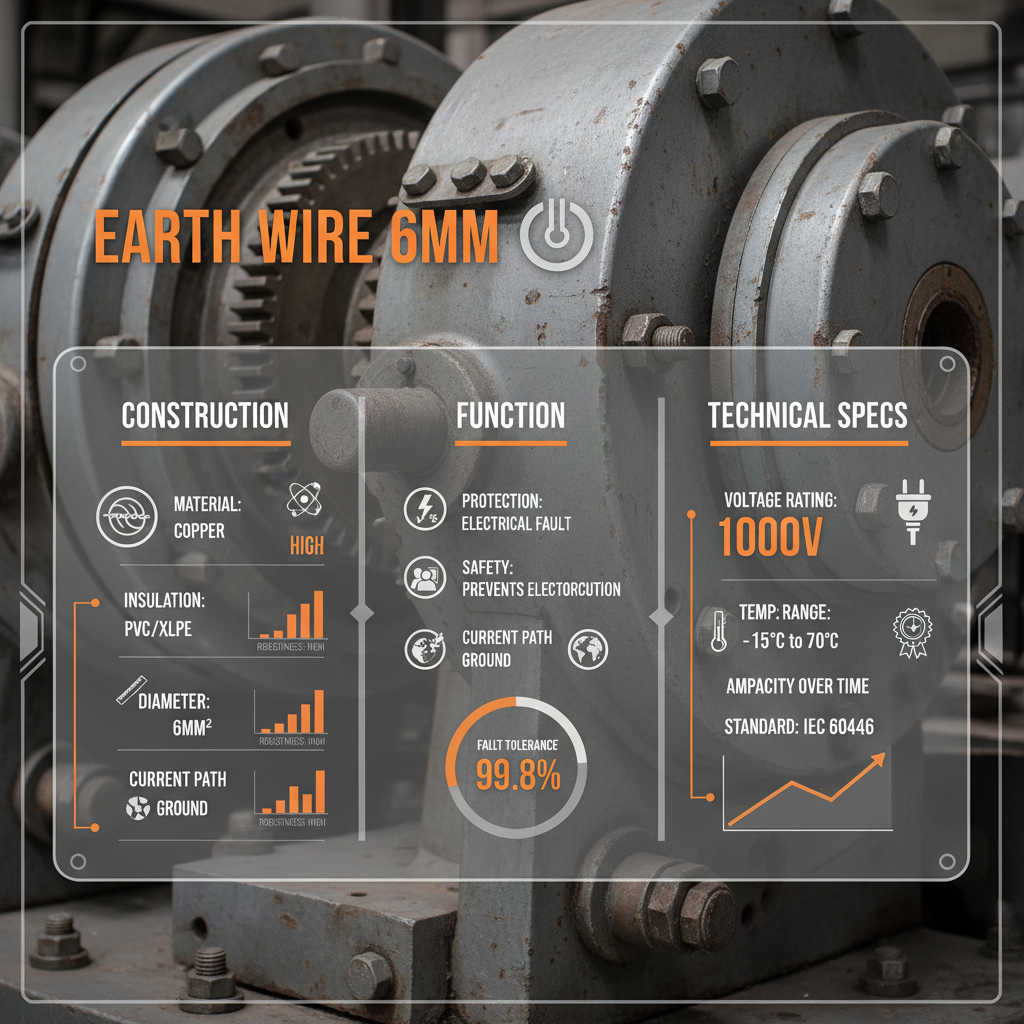
Why is an Earth Wire Important?
The primary function of an earth wire is to create a low-resistance path for electrical current to flow back to the source in the event of a fault. This causes a large current to flow, tripping the circuit breaker or blowing the fuse, quickly disconnecting the power and preventing electric shock. Without a properly installed earth wire, a fault could energize the metal casing of appliances, creating a dangerous hazard. Earth wires also help to stabilize voltage levels and protect sensitive electronic equipment from damage due to voltage surges. Investing in quality earth wire is a fundamental aspect of electrical safety.
Factors Determining Earth Wire Size
Selecting the appropriate earth wire size depends on several factors, including the current-carrying capacity of the circuit, the length of the cable run, and the type of installation. Generally, the earth wire size should be equivalent to or larger than the phase conductor. For a 6mm² phase conductor, a 6mm² earth wire is typically sufficient. However, longer cable runs may require a larger earth wire to minimize voltage drop and ensure effective fault current protection. Regulations and standards, such as those set by IEC, also dictate minimum earth wire sizes for specific applications.
Applications of 6mm Earth Wire
6mm earth wire is widely used in a variety of residential, commercial, and industrial applications. Common uses include:
- Domestic Wiring: Grounding electrical outlets, appliances, and lighting circuits in homes.
- Commercial Buildings: Protecting electrical systems in offices, retail stores, and other commercial spaces.
- Industrial Installations: Providing grounding for heavy machinery, control panels, and other industrial equipment.
- Solar Power Systems: Ensuring safety in photovoltaic (PV) systems by grounding the array and inverters.
Key Benefit: 6mm earth wire provides a reliable and effective grounding solution for a wide range of applications, helping to protect people and property from electrical hazards.
Comparing Earth Wire Materials: Copper vs. Aluminum
Earth wires are typically made from either copper or aluminum. Copper is the most common material due to its excellent conductivity, corrosion resistance, and ease of installation. Aluminum is lighter and less expensive than copper, but it has lower conductivity and is more prone to corrosion. For 6mm earth wire, copper is generally preferred for critical applications where reliable grounding is essential. The following table summarizes the key differences:
Installation Best Practices for Earth Wire
Correct installation is just as important as selecting the right earth wire. Ensure the earth wire is securely connected to the grounding electrode system (e.g., earth rod) and to the metal enclosures of electrical equipment. Use appropriate connectors and terminations to ensure a low-resistance connection. Avoid sharp bends or kinks in the wire, as these can increase resistance. All connections should be tightened properly and regularly inspected for corrosion or loosening. Always consult a qualified electrician for installation and inspection work.
Standards Compliance & Quality Assurance
Earth wires should comply with relevant international and national standards, such as IEC 60364 and local wiring regulations. These standards specify requirements for conductor size, insulation, and mechanical strength. When purchasing earth wire, choose a reputable supplier like Bilopowtel, who can provide certification of compliance and quality assurance. Look for products that are clearly marked with their size and voltage rating.
Conclusion: Prioritizing Safety with Quality Earth Wiring
Choosing the right 6mm earth wire and ensuring its correct installation is paramount for electrical safety. Understanding the factors that influence wire size, the benefits of copper, and the importance of standards compliance will help you make informed decisions. Prioritizing safety with quality earth wiring protects lives and property.
Frequently Asked Questions (FAQs)
What is the purpose of bonding in addition to earth wiring?
Bonding connects all exposed conductive parts of an electrical installation together, creating an equipotential zone. This minimizes voltage differences between these parts, reducing the risk of electric shock. Earth wiring provides a path to ground in the event of a fault, while bonding prevents potential differences within the system. Both are crucial for comprehensive electrical safety. Bonding is commonly used on metallic water pipes, gas pipes, and structural steelwork to ensure they are at the same potential as the earth system.
Can I use a smaller earth wire than the phase conductor?
Generally, no. Regulations typically require the earth wire to be at least the same size as the phase conductor. In some cases, it may need to be larger, especially for longer cable runs. Using a smaller earth wire compromises the effectiveness of the grounding system and increases the risk of electric shock in the event of a fault. Always adhere to local wiring regulations and consult a qualified electrician.
How often should earth connections be inspected?
Earth connections should be visually inspected at least every year, and ideally during routine electrical safety checks. Look for signs of corrosion, loosening of connections, or damage to the wire. It’s also recommended to test the earth loop impedance periodically to ensure the grounding system is functioning effectively. This testing should be performed by a qualified electrician using appropriate testing equipment.
What is the role of an RCD (Residual Current Device) in conjunction with earth wiring?
An RCD is a safety device that quickly disconnects the power supply if it detects an imbalance between the incoming and outgoing currents, indicating a potential earth leakage fault. While earth wiring provides a path for fault currents, an RCD provides an additional layer of protection by interrupting the circuit before a dangerous current can flow through a person. RCDs and earth wiring work together to provide comprehensive electrical safety.
Latest news
Precision Lifting and Pulling with the Lever Block 0.5 Ton Guide
NewsApr.16,2026
Precision Engineering Guide for High Performance Jet Lever
NewsApr.16,2026
Ultimate Guide to Choosing the Professional Industrial hoist lever
NewsApr.16,2026
Industrial Hoist Lever Chain Guide for Heavy Lifting and Rigging
NewsApr.16,2026
Industrial Lever Hoist Guide for Efficient Lifting and Pulling
NewsApr.16,2026
Ultimate Guide to Hand Ratchet Lift for Heavy Industrial Lifting
NewsApr.16,2026
- CONTACT
- ADDRESS: 188, Fengshou Road, Shijiazhuang. China
- EMAlL: info@bilopowtel.com
- PHONE: 0086-311-88862036
- WHATSAPP: 0086-152-26563165


