



Mar . 04, 2026 01:45 Back to list
Comprehensive Guide to Earth Rod and Clamp Systems for Electrical Grounding
Understanding Earth Rod and Clamp Systems
In the realm of electrical grounding, ensuring safety and reliability is paramount. An effective grounding system is critical for protecting personnel, equipment, and infrastructure from electrical faults. At the heart of many grounding systems lie earth rods and clamps, essential components for establishing a low-resistance path to ground. Bilopowtel specializes in providing high-quality earth rods and clamps, tailored to diverse applications. This article will delve into the functionalities, types, installation considerations, and the importance of choosing the right earth rod and clamp for your specific needs.
What are Earth Rods and Why are They Important?
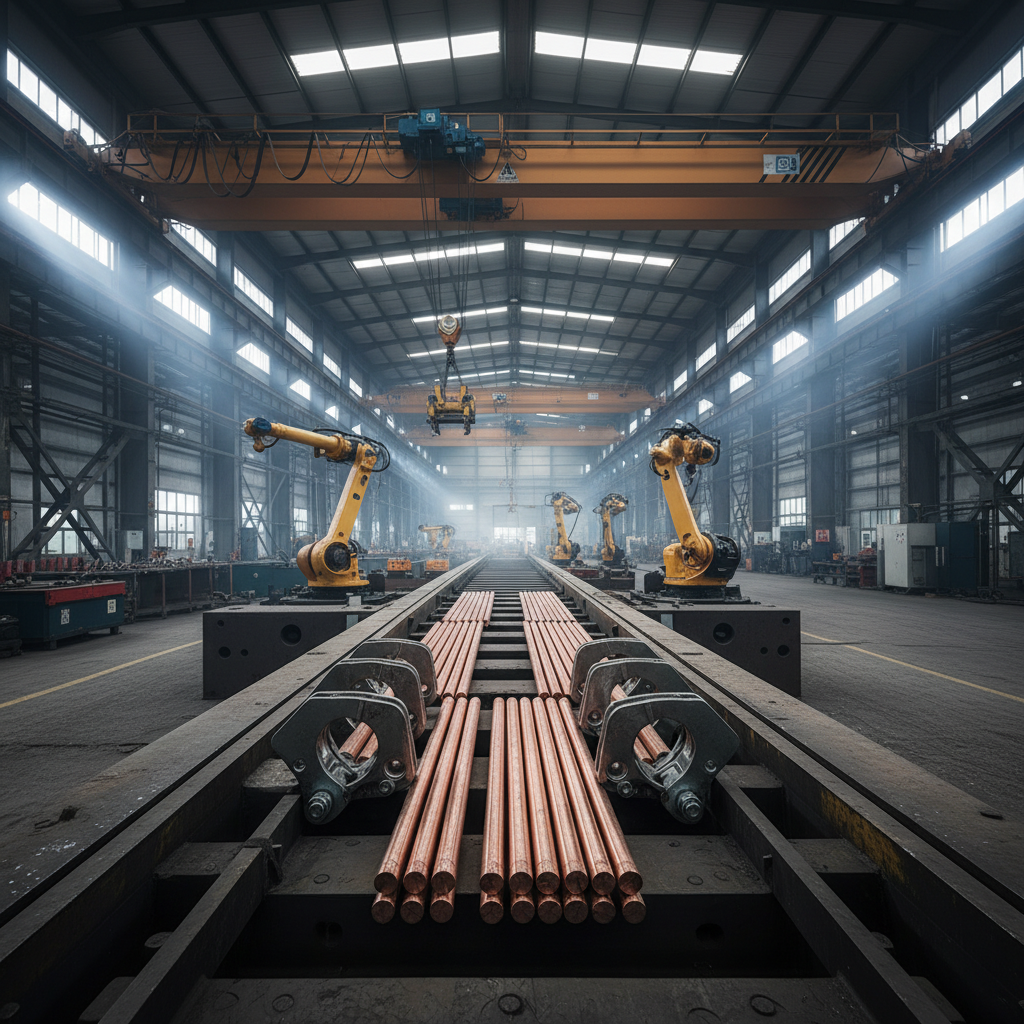
Earth rods, also known as grounding rods, are conductive rods typically made of copper or galvanized steel, driven into the ground to provide a direct connection to the earth. Their primary function is to dissipate fault currents safely into the earth, minimizing the risk of electric shock and damage to electrical systems. The low resistance path provided by the earth rod allows for quick and efficient clearing of faults, preventing potentially hazardous voltage buildup. Choosing the correct length and diameter of the earth rod is crucial, dependent on soil resistivity and the required grounding resistance.
Key Benefits: Provides a safe path for fault currents, protects equipment and personnel, minimizes voltage buildup, and ensures system stability.
Types of Earth Rods
Several types of earth rods are available, each suited for different soil conditions and applications. These include:
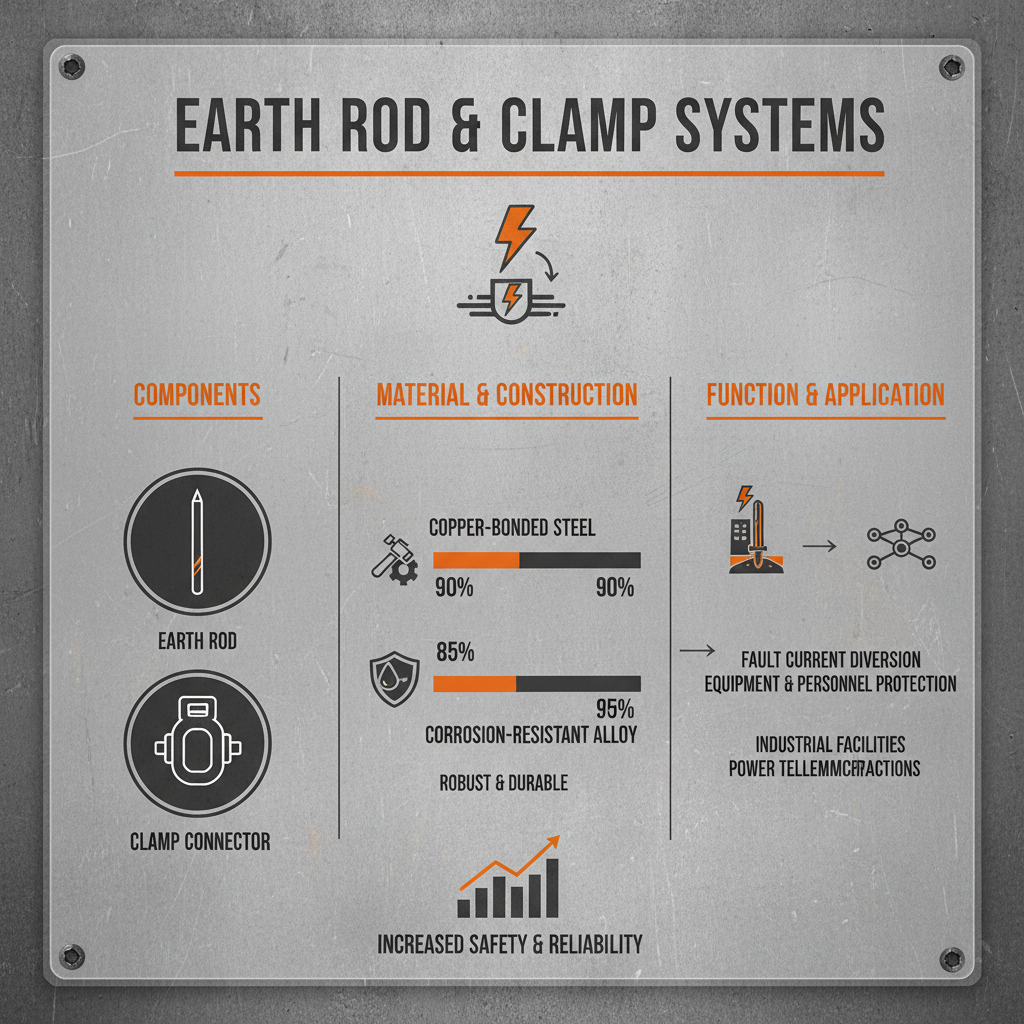
- Copper-Clad Steel Earth Rods: Offer a good balance of conductivity and strength, and are cost-effective.
- Solid Copper Earth Rods: Provide the highest conductivity but are generally more expensive.
- Galvanized Steel Earth Rods: A more economical option, suitable for less corrosive soil environments.
- Hollow Earth Rods: Allow for the introduction of conductive materials into the rod, increasing the contact surface area with the soil.
The choice of earth rod material depends on factors like soil corrosivity, budget, and the desired level of grounding performance. Bilopowtel offers a comprehensive range of earth rod types to meet diverse requirements.
Key Considerations for Earth Rod Selection:
• Soil resistivity
• Fault current levels
• Corrosion potential
• Budget constraints
Understanding Earth Clamps and Their Role
Earth clamps are mechanical devices used to securely connect the earth rod to the grounding conductor (typically a copper wire). A robust and corrosion-resistant clamp is vital for maintaining a reliable connection, minimizing resistance, and ensuring long-term grounding performance. Common types of earth clamps include:
- Compression Clamps: Offer a highly secure connection using a bolted compression mechanism.
- Wedge Clamps: Utilize a wedge to create a tight grip on both the earth rod and the grounding conductor.
- Set-Screw Clamps: Employ set screws to clamp onto the earth rod.
The clamp material should be compatible with both the earth rod material and the grounding conductor to prevent galvanic corrosion. Choosing a clamp rated for the appropriate conductor size and ensuring proper installation are crucial.
Installation Best Practices
Proper installation of earth rods and clamps is critical for ensuring a safe and effective grounding system. Key considerations include:
- Driving Depth: Earth rods should be driven fully into the ground, leaving only a small portion exposed for connection.
- Soil Contact: Ensure the earth rod is in direct contact with the surrounding soil, avoiding air pockets.
- Clamp Tightness: Securely tighten the earth clamp to ensure a low-resistance connection.
- Corrosion Protection: Apply a corrosion-inhibiting compound to the earth rod and clamp to prevent degradation.
Following these guidelines will help to maximize the lifespan and performance of your grounding system. Bilopowtel provides expert advice and support for earth rod and clamp installation.
Choosing the Right Supplier: Bilopowtel
Selecting a reliable supplier is crucial for obtaining high-quality earth rods and clamps. Bilopowtel is a leading provider of grounding solutions, offering a comprehensive range of products, expert technical support, and competitive pricing. We are committed to delivering products that meet the highest safety and performance standards. Contact us today to discuss your grounding requirements.
Conclusion
Investing in high-quality earth rods and clamps is essential for ensuring a safe and reliable electrical grounding system. Bilopowtel provides the expertise and products you need to protect your people, equipment, and infrastructure. Don't compromise on safety – choose Bilopowtel.
Frequently Asked Questions (FAQs)
What is soil resistivity and why is it important?
Soil resistivity is a measure of how easily electrical current flows through the ground. It's a crucial factor in determining the effectiveness of a grounding system. High soil resistivity indicates that the ground is less conductive, requiring longer or more numerous earth rods to achieve a low-resistance grounding connection. Accurate measurement of soil resistivity is essential for proper grounding system design. Different soil types (clay, sand, rock) have significantly varying resistivity values.
How do I determine the appropriate earth rod length?
The appropriate earth rod length depends on the soil resistivity and the desired grounding resistance. Generally, longer rods provide lower resistance. A common rule of thumb is to use a rod length at least equal to the fault current path length. Soil testing is recommended to accurately measure resistivity and determine the optimal rod length. Multiple rods can also be connected in parallel to reduce overall resistance.
What is galvanic corrosion and how can I prevent it?
Galvanic corrosion occurs when dissimilar metals are in contact in the presence of an electrolyte (like soil moisture). This can lead to the corrosion of the less noble metal. To prevent galvanic corrosion, use earth clamps and conductors made of compatible materials. Applying a corrosion-inhibiting compound can also provide an additional layer of protection. Ensure all connections are clean and tight.
How often should my grounding system be inspected?
Grounding systems should be inspected at least annually, and more frequently in corrosive environments. Inspections should include checking the tightness of connections, verifying the condition of the earth rod and clamp, and measuring the grounding resistance. Any signs of corrosion or damage should be addressed immediately to maintain the effectiveness of the grounding system.
Latest news
Precision Lifting and Pulling with the Lever Block 0.5 Ton Guide
NewsApr.16,2026
Precision Engineering Guide for High Performance Jet Lever
NewsApr.16,2026
Ultimate Guide to Choosing the Professional Industrial hoist lever
NewsApr.16,2026
Industrial Hoist Lever Chain Guide for Heavy Lifting and Rigging
NewsApr.16,2026
Industrial Lever Hoist Guide for Efficient Lifting and Pulling
NewsApr.16,2026
Ultimate Guide to Hand Ratchet Lift for Heavy Industrial Lifting
NewsApr.16,2026
- CONTACT
- ADDRESS: 188, Fengshou Road, Shijiazhuang. China
- EMAlL: info@bilopowtel.com
- PHONE: 0086-311-88862036
- WHATSAPP: 0086-152-26563165


