



Jan . 30, 2026 14:40 Back to list
Comprehensive Guide to Disconnect Stick Usage and Electrical Safety Procedures
Understanding the Disconnect Stick: A Comprehensive Guide
In the realm of electrical safety, the disconnect stick, also known as a hot stick, is a critical tool for protecting electrical workers. This article will provide a detailed overview of disconnect sticks, covering their purpose, types, safety features, proper usage, maintenance, and relevant standards. A disconnect stick allows for safe operation of electrical equipment from a distance, minimizing the risk of arc flash and electrocution. Understanding its functionalities is paramount for anyone working with or around energized electrical systems.
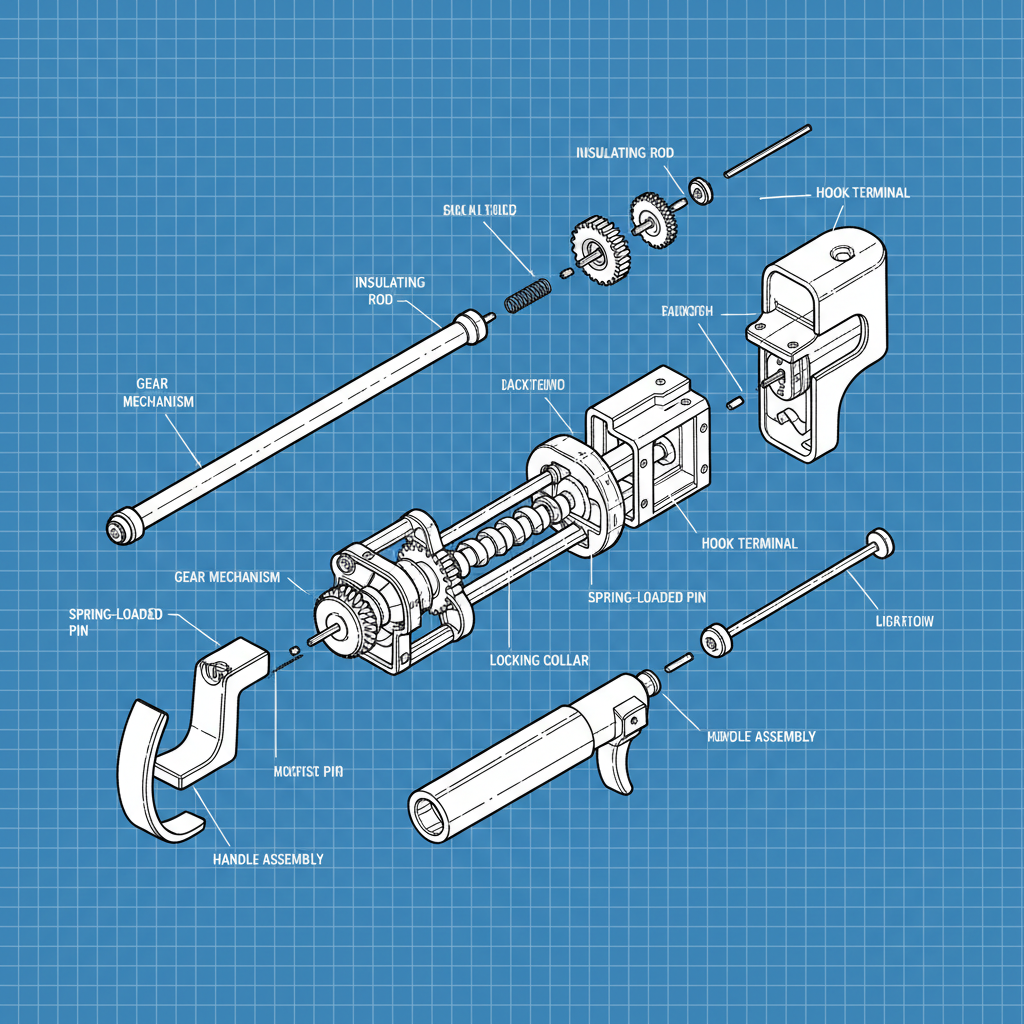
What is a Disconnect Stick and Why is it Important?
A disconnect stick is a non-conductive tool used to operate electrical disconnect switches, circuit breakers, and other equipment from a safe distance. It’s a vital piece of personal protective equipment (PPE) for electrical workers. The primary purpose is to minimize the risk of accidental contact with energized parts. Without a disconnect stick, workers would need to get physically close to potentially lethal voltages, greatly increasing the chance of serious injury or fatality. The use of a properly rated and maintained disconnect stick is a fundamental component of any comprehensive electrical safety program.
Key Benefits: Reduced risk of electrical shock, Minimizes arc flash exposure, Enables safe remote operation, Complies with safety regulations, Enhances worker safety.
Types of Disconnect Sticks
Disconnect sticks come in various lengths and configurations to accommodate different voltage levels and working environments. Common types include:
- Standard Disconnect Sticks: Used for general-purpose applications, typically ranging from 3 to 8 feet in length.
- Universal Sticks: Equipped with interchangeable heads for operating different types of disconnect devices.
- Voltage Detector Sticks: Used to verify the absence of voltage before work begins.
- Grounding Sticks: Employed to establish a safe ground connection before commencing electrical work.
- Telescoping Sticks: Adjustable length for increased versatility in varied work spaces.
Choosing the correct type of disconnect stick is crucial for ensuring worker safety and the proper operation of electrical equipment. Bilo Powtel offers a variety of disconnect sticks to meet diverse needs.
Key Considerations When Selecting:
• Voltage Rating: Match the stick’s rating to the system’s voltage.
• Length: Ensure adequate working distance.
• Compatibility: Verify compatibility with the disconnect device.
• Material: Fiberglass or other durable, non-conductive materials.
Disconnect Stick Safety Features
Modern disconnect sticks are designed with several safety features to protect workers. These include:
Proper Usage of a Disconnect Stick
Correct usage is paramount for ensuring the effectiveness of a disconnect stick. Here's a breakdown of key steps:
- Inspection: Always inspect the stick for cracks, damage, or contamination before each use.
- Voltage Verification: Use a voltage detector to confirm the equipment is de-energized before attempting to operate it with the disconnect stick.
- Proper Positioning: Maintain a safe working distance and position yourself to avoid accidental contact with energized parts.
- Smooth Operation: Operate the disconnect switch or breaker with a smooth, deliberate motion.
- Avoid Contact: Never touch the conductive parts of the stick while it’s in use.
Refer to the manufacturer's instructions for specific usage guidelines. Bilo Powtel’s website provides detailed resources on the proper use of its disconnect sticks.
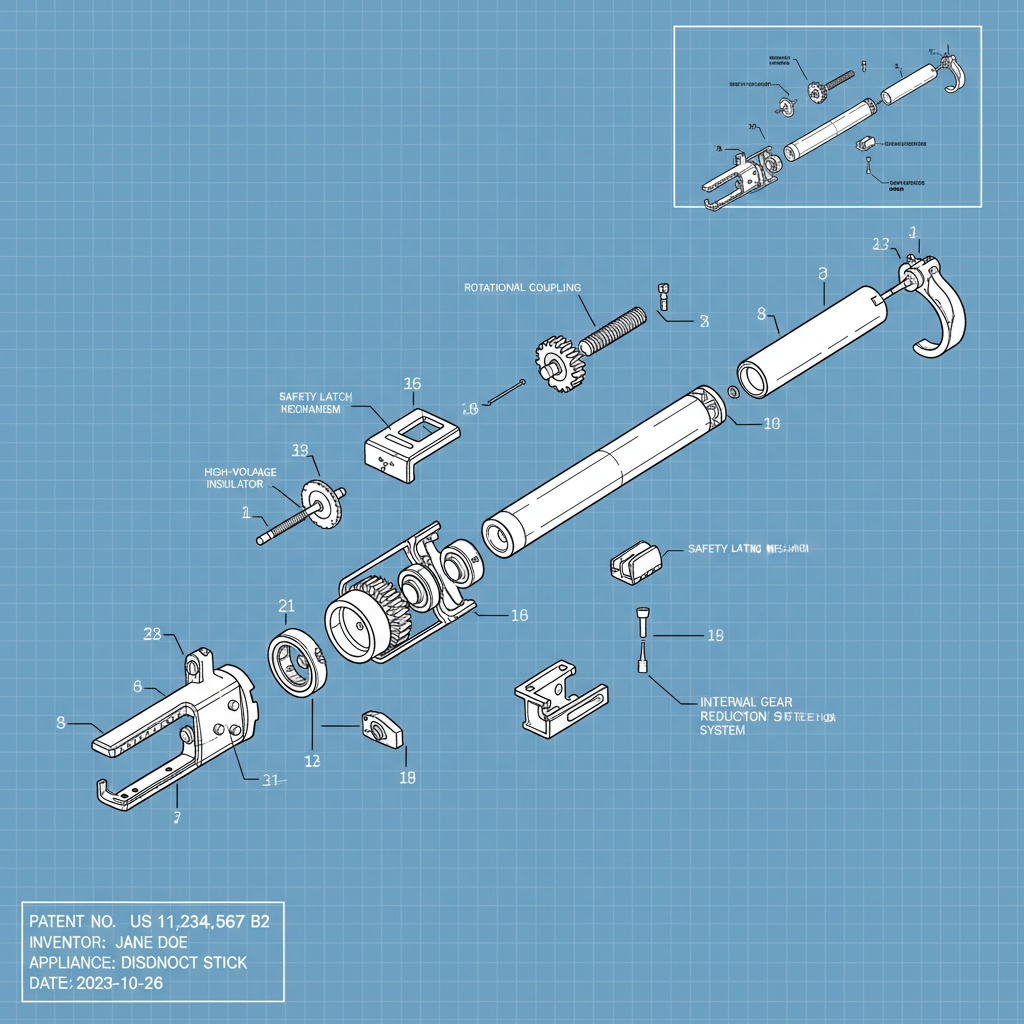
Maintenance and Storage of Disconnect Sticks
Regular maintenance and proper storage are crucial for extending the lifespan and ensuring the reliability of disconnect sticks. Key practices include:
- Cleaning: Clean the stick regularly with a mild detergent and water to remove dirt and contaminants.
- Inspection: Conduct periodic inspections for cracks, chips, or damage to the insulating material.
- Storage: Store the stick in a clean, dry location, away from direct sunlight, extreme temperatures, and potential damage.
- Record Keeping: Maintain a log of inspections and maintenance activities.
Conclusion: Prioritizing Safety with Disconnect Sticks
The disconnect stick is an indispensable tool for electrical safety. By understanding its purpose, types, proper usage, and maintenance requirements, electrical workers can significantly reduce the risk of injury and ensure a safe working environment. Investing in high-quality disconnect sticks and adhering to safety protocols is a vital step towards protecting personnel and preventing costly accidents.
Frequently Asked Questions (FAQs)
What voltage rating should I choose for a disconnect stick?
The voltage rating of the disconnect stick must exceed the maximum system voltage at which it will be used. Always refer to the applicable safety standards and regulations to determine the appropriate voltage rating. Using a stick with an insufficient voltage rating is extremely dangerous and could lead to a catastrophic failure. It’s best to err on the side of caution and select a stick with a higher rating than necessary.
How often should disconnect sticks be inspected?
Disconnect sticks should be inspected before each use for any visible damage, such as cracks, chips, or contamination. In addition, a more thorough inspection should be conducted at least annually, or more frequently if the stick is used heavily or exposed to harsh conditions. This inspection should include a visual examination of the insulating material and a check of the operating head attachment.
Can a disconnect stick be used in wet conditions?
While many disconnect sticks are designed to withstand some moisture, they should not be used in heavily wet conditions. Water can compromise the insulating properties of the stick and increase the risk of electrical shock. If working in wet conditions is unavoidable, use a stick specifically designed for wet environments and follow all safety precautions.
What are the relevant safety standards for disconnect sticks?
Key safety standards include OSHA regulations (29 CFR 1910.331-335) and ASTM F711 standard specification for fiberglass reinforced plastic (FRP) insulated tools for electrical work. These standards outline requirements for design, testing, and maintenance of disconnect sticks. It's crucial to ensure that the disconnect sticks used comply with these standards.
Latest news
Precision Lifting and Pulling with the Lever Block 0.5 Ton Guide
NewsApr.16,2026
Precision Engineering Guide for High Performance Jet Lever
NewsApr.16,2026
Ultimate Guide to Choosing the Professional Industrial hoist lever
NewsApr.16,2026
Industrial Hoist Lever Chain Guide for Heavy Lifting and Rigging
NewsApr.16,2026
Industrial Lever Hoist Guide for Efficient Lifting and Pulling
NewsApr.16,2026
Ultimate Guide to Hand Ratchet Lift for Heavy Industrial Lifting
NewsApr.16,2026
- CONTACT
- ADDRESS: 188, Fengshou Road, Shijiazhuang. China
- EMAlL: info@bilopowtel.com
- PHONE: 0086-311-88862036
- WHATSAPP: 0086-152-26563165


