



Feb . 28, 2026 01:45 Back to list
Understanding the 3 4 x 10 Ground Rod for Optimal Electrical Safety
Understanding the 3 4 x 10 Ground Rod: A Comprehensive Guide
When establishing a robust grounding system, the 3 4 x 10 ground rod is a critical component. It serves as a direct connection to the earth, safely dissipating electrical currents and protecting equipment and personnel. This article dives deep into the specifications, applications, installation techniques, and benefits of using a 3/4 inch x 10 foot ground rod, providing a thorough understanding for electricians, contractors, and anyone involved in electrical grounding. A properly installed ground rod is essential for electrical safety and compliance.
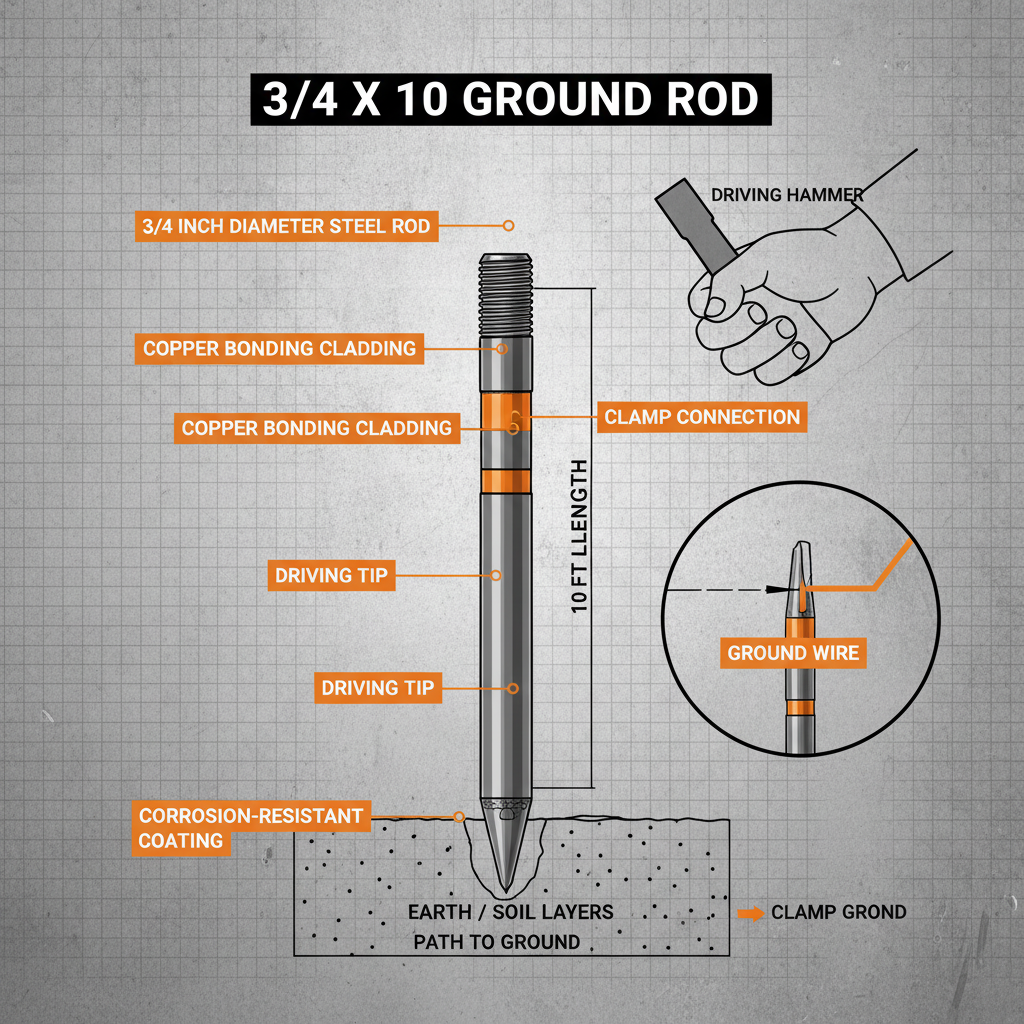
What is a 3/4 x 10 Ground Rod and Why is it Important?
A 3/4 x 10 ground rod is a copper-clad steel rod measuring ¾ inches in diameter and 10 feet in length. The copper cladding ensures excellent conductivity, while the steel core provides strength and durability. Its primary purpose is to provide a low-resistance path for electrical current to flow into the earth in the event of a fault. This prevents dangerous voltage build-up, reducing the risk of electrical shock and damage to sensitive electronic equipment. Proper grounding is also a fundamental requirement of most electrical codes and safety standards. Using ground rods like this ensures compliance and peace of mind.
Key Benefits: Provides a low-resistance path to earth, protects against electrical shock, safeguards equipment, ensures code compliance, and enhances electrical system reliability.
Applications of the 3 4 x 10 Ground Rod
The 3/4 x 10 ground rod is incredibly versatile and can be used in a wide array of applications. These include residential electrical systems, commercial buildings, industrial facilities, telecommunications towers, and even agricultural installations. It's commonly used for grounding electrical panels, surge protectors, lightning protection systems, and radio antennas. Any system that requires a reliable connection to earth for safety and performance benefits from the use of a properly installed ground rod. Bilopowtel provides a variety of grounding solutions for diverse applications.
Common Use Cases:
• Residential electrical grounding
• Commercial building grounding systems
• Industrial facility grounding
• Lightning protection systems
3/4 x 10 Ground Rod vs. Other Ground Rod Sizes: A Comparison
Choosing the right ground rod size is crucial for optimal performance. While various sizes are available, the 3/4 x 10 offers a good balance between cost, ease of installation, and effectiveness. Here's a comparison with other common sizes:
Proper Installation Techniques for a 3/4 x 10 Ground Rod
Correct installation is paramount for the effectiveness of any ground rod. Here are key steps: First, choose a location with moist soil. Drive the rod vertically into the ground, leaving only a small portion exposed for connection. Use a grounding rod driver to avoid bending or damaging the rod. Connect the grounding conductor securely to the rod using an approved clamp. For high-resistance soil, consider using multiple ground rods spaced at least 6 feet apart and connected together. Always follow local electrical codes and regulations. Contact Bilopowtel for professional guidance and quality grounding accessories.
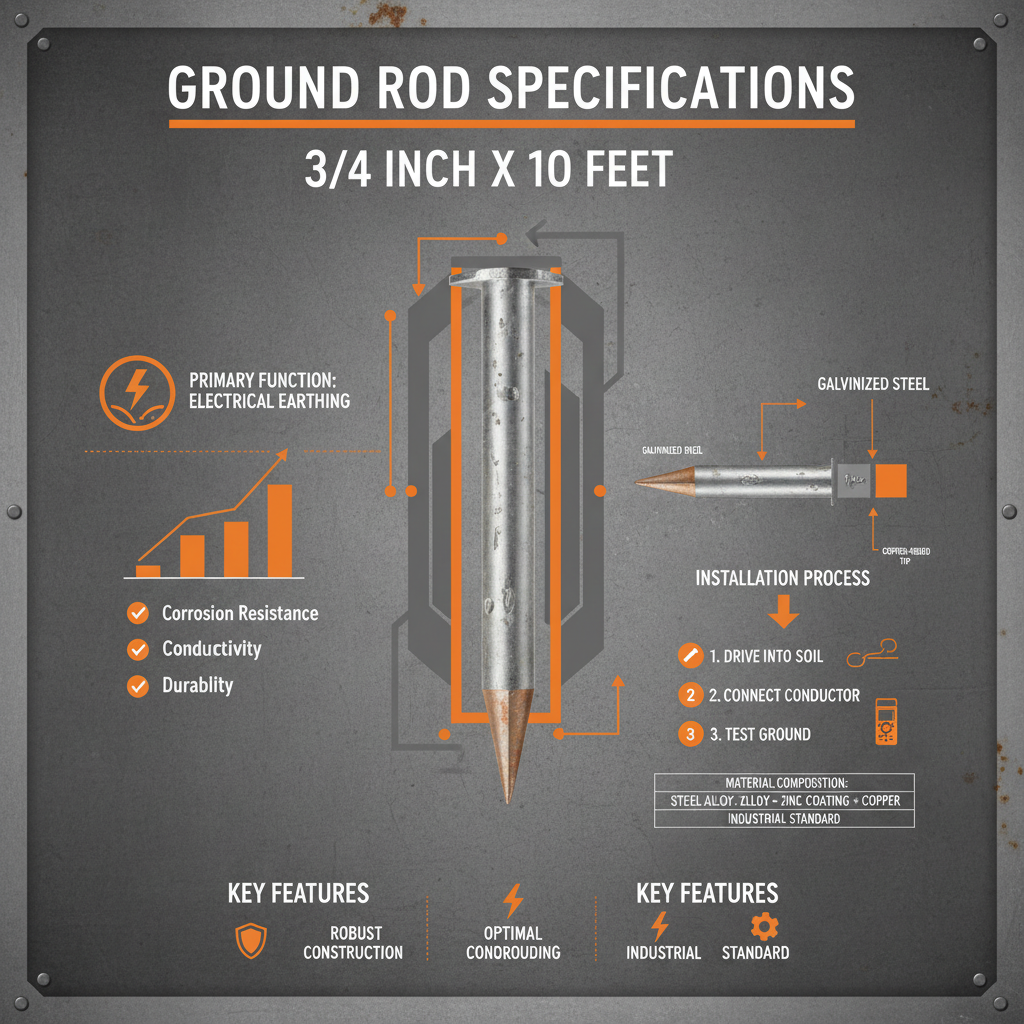
Ensuring a Safe and Reliable Grounding System
A well-maintained grounding system is vital for safety and performance. Regularly inspect the grounding connections for corrosion or damage. Test the ground resistance periodically to ensure it remains within acceptable limits. Use a ground resistance tester to measure the resistance between the ground rod and a distant ground point. Address any issues promptly to maintain a reliable and safe grounding system. Investing in quality ground rods and proper installation is a small price to pay for peace of mind.
Conclusion: The Importance of Grounding
The 3 4 x 10 ground rod is a foundational element of any electrical system. Proper selection, installation, and maintenance are essential for ensuring safety, protecting equipment, and complying with electrical codes. Don't underestimate the importance of a robust grounding system – it's an investment in peace of mind and long-term reliability.
Frequently Asked Questions (FAQs)
What is the ideal soil resistivity for grounding?
Ideal soil resistivity for grounding is typically below 25 ohm-meters. However, this can vary depending on local regulations and the specific application. Higher resistivity soils require longer ground rods, multiple ground rods, or chemical soil treatment to achieve an acceptable grounding resistance. Generally, the lower the resistivity, the more effective the grounding system will be. If you are working with high resistivity soil, it's essential to consult with a qualified electrician to determine the best grounding solution.
How deep should a ground rod be driven?
The general recommendation is to drive the ground rod at least 8 feet into the ground. However, local electrical codes may specify a different depth. It’s crucial to ensure the rod is driven vertically and that only a small portion (typically 6-12 inches) remains exposed for connection. Driving the rod deeper can improve grounding performance, especially in drier soils.
Can I use a galvanized steel rod instead of a copper-clad steel rod?
While galvanized steel rods are less expensive, they are not as effective as copper-clad steel rods. Galvanized steel corrodes over time, increasing resistance to ground and reducing the grounding system's effectiveness. Copper-clad steel rods offer superior conductivity and durability, making them the preferred choice for long-term reliability. Using a copper-clad rod ensures a consistent and low-resistance connection to earth.
How often should I test my grounding system?
It's recommended to test your grounding system at least once a year, or more frequently in corrosive environments or areas prone to lightning strikes. Regular testing helps identify potential issues and ensures the system continues to provide adequate protection. Keep records of your testing results to track the grounding system's performance over time.
Latest news
Precision Lifting and Pulling with the Lever Block 0.5 Ton Guide
NewsApr.16,2026
Precision Engineering Guide for High Performance Jet Lever
NewsApr.16,2026
Ultimate Guide to Choosing the Professional Industrial hoist lever
NewsApr.16,2026
Industrial Hoist Lever Chain Guide for Heavy Lifting and Rigging
NewsApr.16,2026
Industrial Lever Hoist Guide for Efficient Lifting and Pulling
NewsApr.16,2026
Ultimate Guide to Hand Ratchet Lift for Heavy Industrial Lifting
NewsApr.16,2026
- CONTACT
- ADDRESS: 188, Fengshou Road, Shijiazhuang. China
- EMAlL: info@bilopowtel.com
- PHONE: 0086-311-88862036
- WHATSAPP: 0086-152-26563165


