



Mar . 03, 2026 18:05 Back to list
Comprehensive Guide to Galvan Ground Rods for Effective Grounding Systems
Understanding Galvan Ground Rods: A Comprehensive Guide
When designing effective grounding systems, the selection of appropriate ground rods is paramount. Galvan ground rods are a popular choice for providing low-resistance pathways to earth, crucial for safety and system performance. This article explores the benefits, applications, types, installation, and considerations when choosing galvan ground rods, offering a detailed overview for professionals and those seeking to improve their grounding systems. A properly grounded system safeguards equipment and personnel.
What are Galvan Ground Rods?
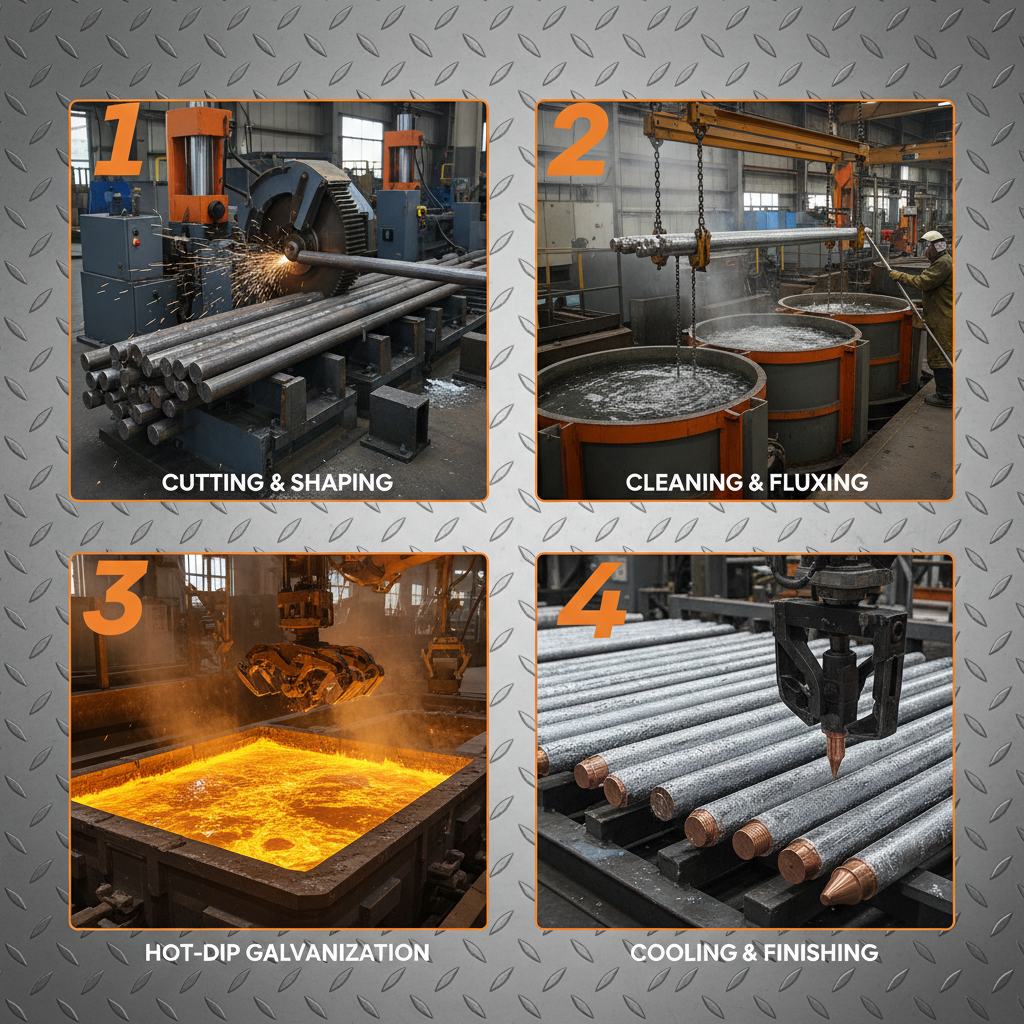
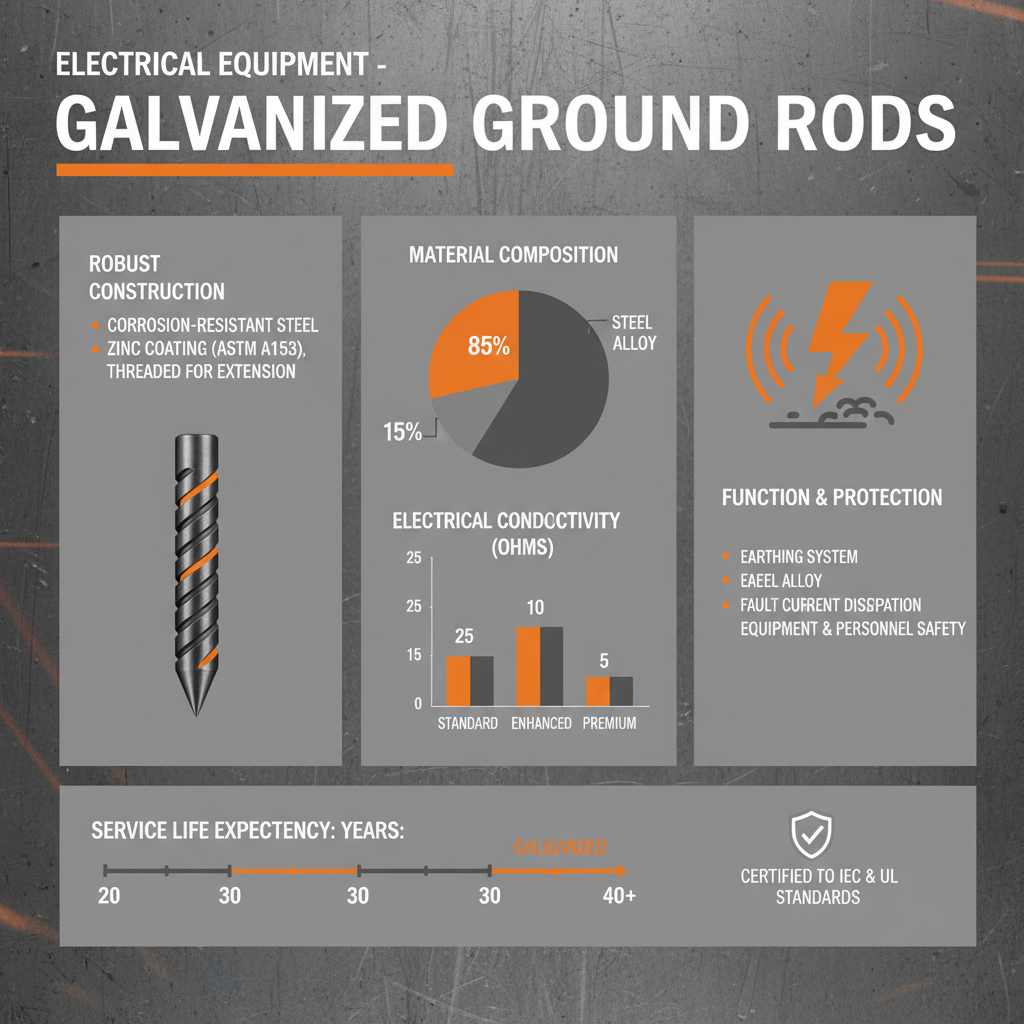
Galvan ground rods are typically made from steel, coated with a layer of zinc through a process called galvanization. This zinc coating protects the steel from corrosion, significantly extending the lifespan of the rod, especially when buried in soil. They are used to create a connection between electrical systems and the earth, providing a safe path for fault currents. These rods are available in various lengths and diameters to suit different soil conditions and grounding requirements. Choosing the right galvan ground rod is a crucial step in ensuring a reliable and long-lasting grounding system. BiloPowTel provides a diverse range of high-quality galvan ground rods.
Key Highlights: Galvanization protects against corrosion, extending the lifespan of the rod. Available in various lengths and diameters. Essential for safe and reliable grounding systems.
Types of Galvan Ground Rods
While all galvan ground rods share the core principle of providing grounding, they come in different forms to address varying needs. Common types include:
- Solid Ground Rods: These are simple, single-piece rods, suitable for general-purpose grounding.
- Helical Ground Rods: These rods feature a helical (spiral) shape, which allows them to be screwed into the ground, requiring less digging and providing excellent holding power in difficult soil conditions.
- Copper-Clad Ground Rods: While more expensive, these rods offer superior corrosion resistance and conductivity. They feature a steel core coated with copper.
- Threaded Ground Rods: Designed to be driven into the ground with a driving tool, offering a fast installation process.
Galvan Ground Rods: Comparison with Other Materials
Choosing the right grounding material is critical. Here's a comparison of galvan ground rods with other options:
Installing Galvan Ground Rods: Best Practices
Proper installation is crucial for the effectiveness of galvan ground rods. Here are some best practices:
- Depth: Drive the rod at least 8 feet into the ground to reach consistently moist soil.
- Spacing: Maintain at least 6 feet of spacing between ground rods.
- Connection: Use approved grounding connectors to securely connect the ground rod to the grounding conductor.
- Soil Conditions: In rocky or dry soil, consider using multiple rods or helical ground rods for improved grounding.
- Corrosion Prevention: Ensure the connection point is protected from corrosion.
Remember to always follow local electrical codes and regulations. BiloPowTel can provide expert advice and support for your grounding projects.
Applications of Galvan Ground Rods
Galvan ground rods are widely used in a variety of applications, including:
- Electrical Power Systems: Grounding substations, transformers, and other electrical equipment.
- Telecommunications: Grounding cell towers, base stations, and communication equipment.
- Lightning Protection: Providing a path for lightning current to safely discharge into the earth.
- Residential Grounding: Ensuring the safety of electrical systems in homes and buildings.
- Renewable Energy Systems: Grounding solar panel arrays and wind turbines.
Conclusion: Investing in Reliable Grounding
Choosing the right galvan ground rod and implementing proper installation techniques are essential for creating a safe and effective grounding system. BiloPowTel offers a wide selection of high-quality galvan ground rods and expert guidance to help you meet your grounding needs. Don't compromise on safety – invest in reliable grounding solutions.
Frequently Asked Questions (FAQs)
How long do galvan ground rods typically last?
The lifespan of a galvan ground rod depends on the soil conditions and the quality of the galvanization. Generally, a well-galvanized rod can last 30-50 years or even longer in favorable environments. However, in corrosive soils (high salt content or acidity), the lifespan may be shorter. Regular inspection is recommended to check for signs of corrosion. Replacing the rods as needed will ensure continued grounding system reliability.
What is the best way to test the effectiveness of a ground rod?
The effectiveness of a ground rod is measured by its resistance to ground. This is typically tested using a ground resistance tester (also known as a three-point tester or fall-of-potential tester). The test involves injecting a current into the ground rod and measuring the voltage drop to calculate the resistance. A low resistance reading indicates a good connection to earth. Consult with a qualified electrician to perform this test correctly and interpret the results.
Can I use multiple ground rods to improve grounding?
Yes, using multiple ground rods connected together (bonded) can significantly improve the overall grounding resistance. This is particularly beneficial in areas with poor soil conductivity or rocky ground. The rods should be spaced at least 6 feet apart and connected using an approved grounding conductor. Bonding multiple rods effectively increases the surface area in contact with the earth, leading to a lower resistance path.
What type of soil is best for grounding?
Moist, clay-rich soil provides the best conductivity for grounding. This is because clay particles retain moisture, which increases the flow of electrical current. Sandy or rocky soil has poor conductivity and requires the use of longer ground rods or multiple rods to achieve adequate grounding. Adding soil enhancements or using specialized grounding compounds can also help improve conductivity in less-than-ideal soil conditions.
Latest news
Precision Lifting and Pulling with the Lever Block 0.5 Ton Guide
NewsApr.16,2026
Precision Engineering Guide for High Performance Jet Lever
NewsApr.16,2026
Ultimate Guide to Choosing the Professional Industrial hoist lever
NewsApr.16,2026
Industrial Hoist Lever Chain Guide for Heavy Lifting and Rigging
NewsApr.16,2026
Industrial Lever Hoist Guide for Efficient Lifting and Pulling
NewsApr.16,2026
Ultimate Guide to Hand Ratchet Lift for Heavy Industrial Lifting
NewsApr.16,2026
- CONTACT
- ADDRESS: 188, Fengshou Road, Shijiazhuang. China
- EMAlL: info@bilopowtel.com
- PHONE: 0086-311-88862036
- WHATSAPP: 0086-152-26563165


