



Apr . 16, 2026 01:45 Back to list
Industrial Lever Hoist Guide for Efficient Lifting and Pulling
Industrial Lever Hoist: The Ultimate Guide to Efficient Lifting
In the demanding world of heavy-duty construction and industrial maintenance, precision and safety are non-negotiable. The industrial lever hoist serves as a cornerstone for professionals who need a reliable tool for lifting, pulling, and tensioning in confined spaces. Unlike electric hoists, lever hoists provide unmatched manual control and portability, making them indispensable for onsite rigging and assembly. Whether you are managing a warehouse or an oil rig, understanding the nuances of this equipment can significantly enhance operational efficiency and worker safety. In this comprehensive guide, we will explore why the right hoist is a critical investment for your business.
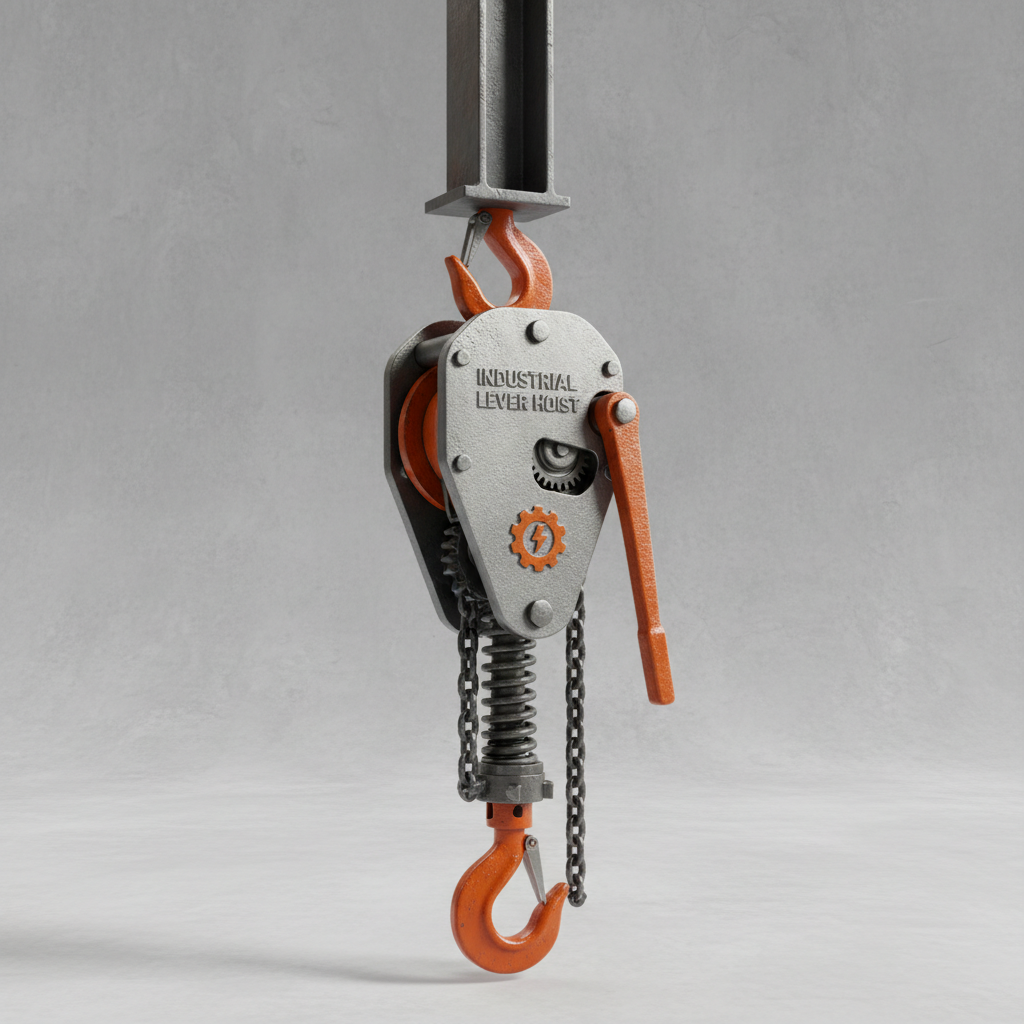
Core Mechanisms of the Industrial Lever Hoist
The brilliance of an industrial lever hoist lies in its mechanical advantage. Utilizing a ratchet-and-pawl system, it converts the manual pumping motion of a handle into a powerful linear lift. This allows a single operator to move loads that would otherwise be impossible to handle manually. Most high-end models are constructed from alloy steel to ensure they can withstand extreme stress without deformation. The internal braking system is specifically engineered to hold loads securely at any height, preventing accidental slips that could lead to workplace accidents.
Pro Tip: Always check the load chain for wear and tear before every use. A well-lubricated chain not only extends the life of your hoist but also ensures smoother operation under maximum capacity.
Key Applications for an Industrial Lever Hoist
Versatility is the hallmark of the industrial lever hoist. Because they do not require an external power source, they are the primary choice for outdoor construction sites and remote installations. Common applications include tensioning cables for bridges, positioning heavy machinery during factory layouts, and lifting components in shipbuilding. Furthermore, their ability to perform both lifting and pulling (horizontal movement) makes them a dual-purpose tool that reduces the need for multiple pieces of equipment on a job site.
Lever Hoist vs. Chain Block: Choosing the Right Tool
Many professionals confuse the industrial lever hoist with the standard chain block. While both use chains, their operation differs fundamentally. The chain block is designed primarily for vertical lifting and requires a circular pulling motion. In contrast, the lever hoist uses a handle to pump the load, offering much better control for "inching" a load into a precise position. This makes the lever hoist superior for tensioning and pulling tasks where a chain block would be impractical.
Selecting the Right Industrial Lever Hoist Specifications
Choosing the correct industrial lever hoist requires a careful analysis of your load requirements. Overloading a hoist is the fastest way to cause equipment failure and jeopardize safety. You must consider the Working Load Limit (WLL), the required lift height (chain length), and the environmental conditions (such as corrosive salt air or extreme heat). High-grade hoists often feature heat-treated gears and load chains that are tested to 125% of their rated capacity to ensure a safe margin of error.
Maintenance Tips for Long-Term Durability
To ensure your industrial lever hoist remains a reliable asset, a proactive maintenance schedule is essential. First, regular lubrication of the load chain and internal gears is mandatory to reduce friction and prevent premature wear. Second, inspect the hooks for any signs of opening or twisting; a deformed hook is a critical safety failure and must be replaced immediately. Finally, store the hoist in a dry, protected environment to prevent oxidation and corrosion of the metal components.
Maintenance Checklist:
• Monthly: Lubricate chain and check pawl engagement
• Quarterly: Inspect load chain for elongated links
• Annually: Professional load test and certification
• Daily: Visual check of hooks and safety latches
Safety Standards and Regulatory Compliance
Safety is the most critical aspect of lifting operations. When purchasing an industrial lever hoist, always verify that it complies with international standards such as ASME B30.16 or CE certifications. These standards ensure that the hoist has undergone rigorous testing for structural integrity and braking reliability. Operators should also be trained in proper rigging techniques to avoid "side-loading," which can cause the hoist to fail unexpectedly. Using certified equipment not only protects your team but also shields your company from legal liabilities.
Conclusion: Optimizing Workflows with the Right Hoist
The industrial lever hoist is more than just a lifting tool; it is a precision instrument that enables safer and more efficient industrial operations. By choosing a hoist with the correct specifications, adhering to strict maintenance protocols, and following safety regulations, businesses can significantly reduce downtime and operational risk. Whether you are pulling, tensioning, or lifting, investing in a high-quality lever hoist is a commitment to excellence and workplace safety.
Frequently Asked Questions (FAQs)
Can an industrial lever hoist be used for horizontal pulling?
Yes, one of the primary advantages of an industrial lever hoist over a chain block is its ability to handle horizontal pulling and tensioning. This makes it ideal for tasks such as pulling a heavy machine into place or tensioning a cable. However, it is crucial to ensure that the hoist is anchored securely and that the pulling force does not exceed the rated Working Load Limit (WLL) to avoid equipment failure.
How do I determine the correct capacity for my project?
To determine the correct capacity, first calculate the total weight of the load, including any rigging hardware (slings, shackles). Then, apply a safety factor—usually 20% extra capacity—to account for dynamic loads or slight inaccuracies in weight estimation. If you are unsure, always opt for a higher capacity model, as overloading is the leading cause of hoist accidents. Consult the specifications on the Bilopowtel website for detailed capacity charts.
What are the warning signs that a lever hoist needs replacement?
Replacement is necessary if you notice any of the following: deep cracks or deformation in the hooks, significant elongation or "stretching" of the load chain, a slipping brake that fails to hold the load, or severe corrosion that has pitted the metal surfaces. Additionally, if the hoist has been subjected to a shock load (a sudden drop or jerk), it should be taken out of service and inspected by a certified professional, even if no visible damage is present.
How often should the load chain be lubricated?
The frequency of lubrication depends on the working environment. In clean, indoor settings, a quarterly lubrication is typically sufficient. However, in harsh environments—such as construction sites with dust, or marine environments with salt air—monthly or even bi-weekly lubrication is recommended. Use a high-quality industrial lubricant that penetrates the chain links and provides a protective barrier against moisture and debris to ensure smooth operation.
Latest news
Precision Lifting and Pulling with the Lever Block 0.5 Ton Guide
NewsApr.16,2026
Precision Engineering Guide for High Performance Jet Lever
NewsApr.16,2026
Ultimate Guide to Choosing the Professional Industrial hoist lever
NewsApr.16,2026
Industrial Hoist Lever Chain Guide for Heavy Lifting and Rigging
NewsApr.16,2026
Industrial Lever Hoist Guide for Efficient Lifting and Pulling
NewsApr.16,2026
Ultimate Guide to Hand Ratchet Lift for Heavy Industrial Lifting
NewsApr.16,2026
- CONTACT
- ADDRESS: 188, Fengshou Road, Shijiazhuang. China
- EMAlL: info@bilopowtel.com
- PHONE: 0086-311-88862036
- WHATSAPP: 0086-152-26563165


