



Mar . 12, 2026 01:45 Back to list
Understanding Ground Rods 1 Meter vs 2 Meter for Optimal Electrical Safety
Understanding Ground Rods: A Guide to 1 & 2 Meter Options
Ground rods are essential components of effective grounding systems, protecting electrical systems and personnel from hazardous voltage levels. They provide a low-resistance path for fault currents to dissipate into the earth. Choosing the right ground rod length is critical for optimal performance. This article will explore the function of ground rods, the differences between 1-meter and 2-meter options, and factors to consider when selecting the appropriate length for your specific needs. Bilopowtel offers a range of high-quality ground rods designed for various applications. Understanding these fundamentals is crucial for ensuring a safe and reliable electrical system.

What is a Ground Rod and Why is it Important?
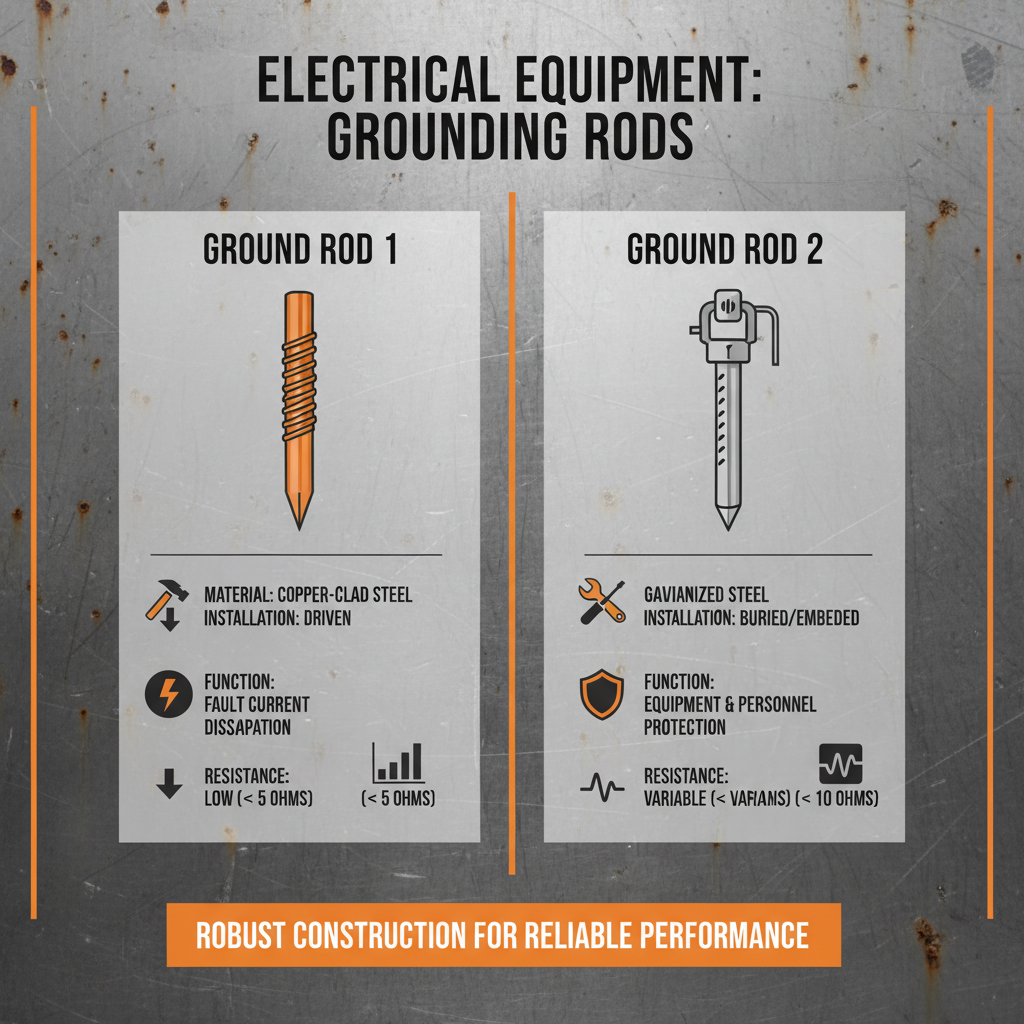
A ground rod, also known as an earth rod, is a conductive staff, typically made of copper or copper-clad steel, driven into the earth to establish a connection with the ground. Its primary function is to provide a path of least resistance for electrical fault currents. This is vital because, during a fault (such as a short circuit), the ground rod allows the excessive current to safely flow into the earth, triggering protective devices like circuit breakers or fuses to trip and disconnect the power supply. This prevents electrical shock hazards and minimizes the risk of fire. Without proper grounding, dangerous voltages could build up on metallic equipment, posing a significant threat to life and property. A properly installed ground rod system is a fundamental aspect of electrical safety.
Key Benefits: Provides a safe path for fault currents, prevents electrical shock, minimizes fire risks, and protects electrical equipment.
Ground Rod 1 Meter vs. 2 Meter: Key Differences
The main difference between 1-meter and 2-meter ground rods lies in their length and, consequently, their ability to reach lower soil resistivity. Soil resistivity is a measure of how easily electricity flows through the ground; lower resistivity is better for grounding. A 2-meter ground rod penetrates deeper into the earth, often reaching soil layers with higher moisture content, which improves conductivity. This generally results in a lower resistance to ground compared to a 1-meter rod. However, the optimal length depends on local soil conditions and the specific grounding requirements of the electrical system. Bilopowtel's ground rods are available in both lengths to suit a variety of applications.
Length Considerations: Deeper penetration generally leads to lower resistance, but optimal length depends on soil conditions.
• 1-Meter: Suitable for areas with consistently low soil resistivity.
• 2-Meter: Recommended for areas with high or variable soil resistivity.
Factors Influencing Ground Rod Selection
Several factors must be considered when deciding between a 1-meter and 2-meter ground rod. Soil resistivity is the most critical factor; areas with sandy or rocky soil typically have higher resistivity and benefit from longer rods. The size and type of electrical system also play a role – larger systems generally require lower ground resistance, potentially necessitating longer rods or multiple grounding points. Local electrical codes and regulations often specify minimum grounding requirements, including acceptable ground resistance levels and rod lengths. Finally, the presence of underground utilities (pipes, cables) must be considered to avoid damage during installation. A professional assessment of these factors is highly recommended to ensure proper grounding.
Applications for 1 & 2 Meter Ground Rods
1-meter ground rods are frequently used in residential applications with favorable soil conditions, for grounding smaller electrical panels and appliances. They are also suitable for temporary grounding setups. 2-meter ground rods, due to their increased penetration and lower resistance, are preferred for commercial and industrial applications, lightning protection systems, and in areas with poor soil conductivity. They are commonly used to ground large electrical equipment, communication towers, and substations. Bilopowtel provides solutions for both scenarios.
Ground Rod Materials and Specifications
Ground rods are typically made from copper or copper-clad steel. Copper offers excellent conductivity but is more expensive. Copper-clad steel rods provide a good balance of conductivity and cost-effectiveness. The diameter of the rod also affects its current-carrying capacity. Bilopowtel’s ground rods conform to industry standards, ensuring reliable performance and durability. Here’s a simplified specifications table:
Conclusion: Choosing the Right Ground Rod for Safety and Reliability
Selecting the appropriate ground rod length is a critical step in ensuring the safety and reliability of your electrical system. By considering factors such as soil resistivity, system size, and local regulations, you can make an informed decision that protects your equipment and personnel. Bilopowtel offers a comprehensive range of ground rods to meet your specific needs. Invest in quality grounding solutions for peace of mind.
Frequently Asked Questions (FAQs)
How do I measure soil resistivity?
Soil resistivity is typically measured using a four-point Wenner method. This involves driving four equally spaced probes into the ground in a straight line and applying a known current between the outer two probes. The voltage difference between the inner two probes is then measured to calculate the soil resistivity. Specialized soil resistivity meters are available for this purpose. It is recommended to hire a qualified electrician or soil testing professional to perform this measurement accurately, as variations in soil composition can significantly impact the results. Understanding your soil resistivity is key to choosing the correct ground rod length for effective grounding.
Can I use multiple ground rods?
Yes, in many cases, using multiple ground rods is recommended, especially in areas with high soil resistivity or for large electrical systems. When using multiple rods, they should be spaced at least the length of the rod itself apart and connected together with a grounding conductor (typically copper wire) to form a ground grid. This creates a lower overall ground resistance and provides a more reliable grounding path. Check local electrical codes for specific requirements regarding the spacing and interconnection of ground rods.
What is the best way to install a ground rod?
Ground rod installation typically involves driving the rod into the ground using a grounding rod driver. It is important to ensure the rod is driven vertically and to its full depth. A grounding conductor should then be securely connected to the rod using a clamp specifically designed for ground rods. The connection should be clean and corrosion-resistant. Always follow the manufacturer’s instructions and local electrical codes when installing a ground rod. Improper installation can compromise the effectiveness of the grounding system. You can find quality ground rods and installation accessories at Bilopowtel.
Latest news
Precision Lifting and Pulling with the Lever Block 0.5 Ton Guide
NewsApr.16,2026
Precision Engineering Guide for High Performance Jet Lever
NewsApr.16,2026
Ultimate Guide to Choosing the Professional Industrial hoist lever
NewsApr.16,2026
Industrial Hoist Lever Chain Guide for Heavy Lifting and Rigging
NewsApr.16,2026
Industrial Lever Hoist Guide for Efficient Lifting and Pulling
NewsApr.16,2026
Ultimate Guide to Hand Ratchet Lift for Heavy Industrial Lifting
NewsApr.16,2026
- CONTACT
- ADDRESS: 188, Fengshou Road, Shijiazhuang. China
- EMAlL: info@bilopowtel.com
- PHONE: 0086-311-88862036
- WHATSAPP: 0086-152-26563165


