



Mar . 03, 2026 18:05 Back to list
Comprehensive Guide to Earth Grounding Rod Selection and Installation Practices
Understanding and Selecting the Right Earth Grounding Rod
Ensuring electrical safety is paramount in numerous applications, from protecting sensitive electronics to safeguarding personnel. A crucial component of any robust safety system is the earth grounding rod. This article delves into the functionality, types, selection criteria, and installation best practices for grounding rods. We’ll explore how choosing the appropriate grounding rod, like those offered by Bilopowtel, can significantly enhance safety and system reliability. A properly installed grounding system is more than just a regulation; it’s a safeguard against potential hazards.
What is an Earth Grounding Rod and Why is it Important?
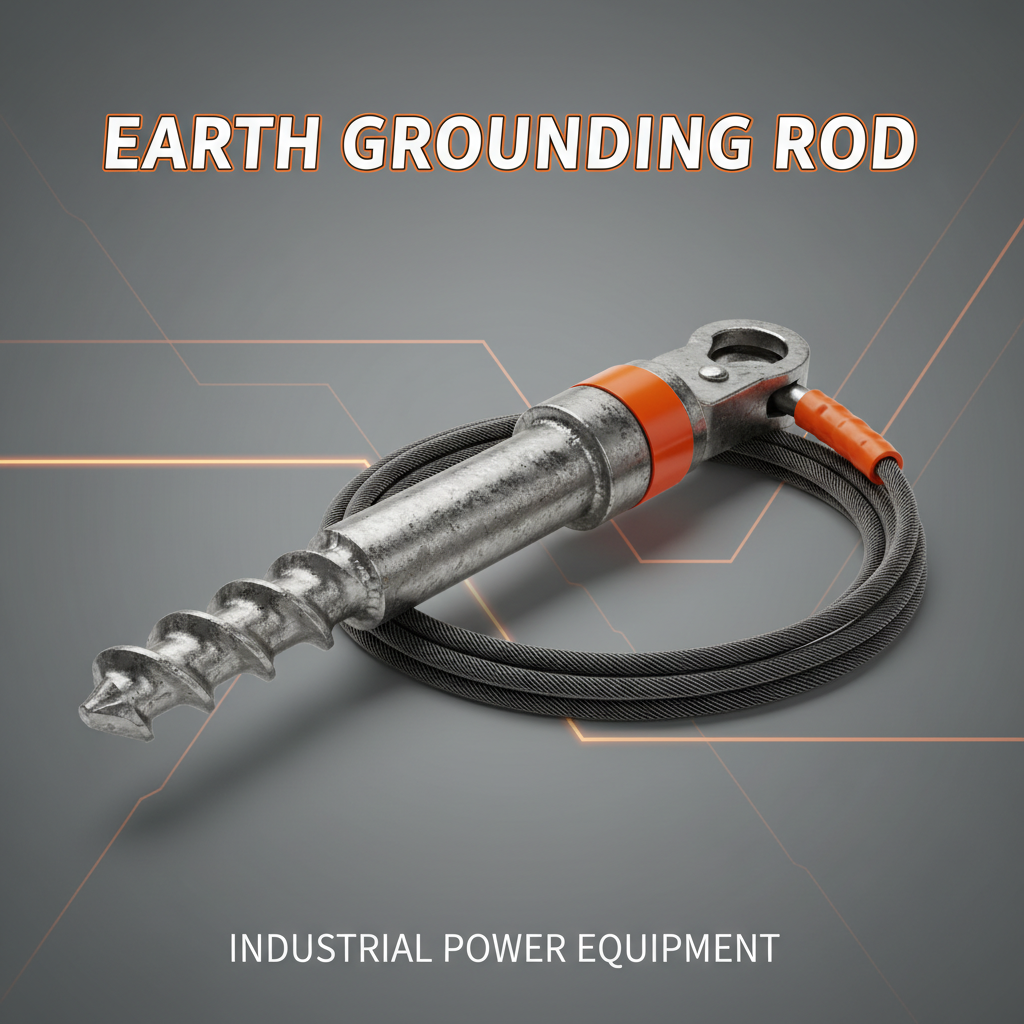
An earth grounding rod is a conductive rod, typically made of copper, copper-clad steel, or galvanized steel, that is driven into the earth to provide a low-resistance path to ground. This connection serves as a safety mechanism by diverting excess electrical current – from lightning strikes, power surges, or equipment faults – safely into the earth, preventing damage to equipment and protecting individuals from electrical shock. The importance of a grounding rod lies in its ability to equalize electrical potential between a system and the earth, mitigating hazards and ensuring the reliable operation of electrical devices. Without proper grounding, even a minor fault can escalate into a serious safety risk.
Key Benefits: Provides a safe path for fault currents, protects equipment from damage, prevents electrical shock, and enhances the reliability of electrical systems.
Types of Earth Grounding Rods
Earth grounding rods come in several varieties, each suited for different applications and soil conditions. The most common types include:
- Copper Grounding Rods: Offer excellent conductivity and corrosion resistance, making them ideal for most environments.
- Copper-Clad Steel Grounding Rods: Combine the conductivity of copper with the strength and lower cost of steel.
- Galvanized Steel Grounding Rods: A more affordable option, suitable for less corrosive environments.
- Solid Steel Grounding Rods: Generally used in areas where corrosion isn't a significant concern.
The selection of the appropriate rod material depends heavily on the soil resistivity and the level of protection required. Bilopowtel offers a comprehensive range of grounding rod materials to meet diverse needs.
Factors Influencing Grounding Rod Selection
Choosing the right earth grounding rod requires considering several factors, including:
- Soil Resistivity: Low-resistivity soil is ideal, requiring shorter rods. High-resistivity soil necessitates longer rods or multiple rods.
- Fault Current Level: Higher potential fault currents require larger diameter rods to handle the increased current flow.
- Corrosion Potential: Corrosive environments demand corrosion-resistant materials like copper.
- Rod Length and Diameter: Longer and thicker rods provide lower resistance to ground.
- Local Regulations and Standards: Adhering to local electrical codes is crucial for safety and compliance.
Grounding Rod Selection Criteria:
• Soil resistivity is the primary factor.
• Fault current capacity must be sufficient.
• Corrosion resistance is vital in harsh environments.
• Compliance with local electrical codes is mandatory.
Earth Grounding Rod Specifications and Comparison
Here's a comparison of common grounding rod types based on key specifications:
Proper Installation Techniques
Correct installation is as critical as selecting the right rod. Key steps include:
- Driving Depth: Ensure the rod is driven deep enough to reach consistently moist soil.
- Connection Integrity: Use approved grounding clamps to create a secure, low-resistance connection between the rod and the grounding conductor.
- Multiple Rods: In high-resistivity soil, multiple rods spaced at least 6 feet apart are recommended.
- Grounding Conductor Sizing: Use appropriately sized grounding conductors to handle potential fault currents.
- Regular Inspection: Periodically inspect the grounding system for corrosion or damage.
Conclusion: Investing in Reliable Grounding
A well-designed and properly installed earth grounding system is a vital component of any safe and reliable electrical installation. By understanding the different types of grounding rods, selection criteria, and installation techniques, you can ensure the optimal protection of equipment and personnel. Bilopowtel provides high-quality grounding rods and expert guidance to help you create a safe and compliant electrical system.
Frequently Asked Questions (FAQs)
How deep should a grounding rod be driven?
The recommended depth for driving a grounding rod varies depending on local codes and soil conditions, but generally, it should be driven until at least 8 feet of the rod is buried. In areas with dry or rocky soil, deeper penetration may be necessary to reach consistently moist ground. The goal is to ensure a low-resistance connection to earth. It is vital to consult local electrical codes and regulations to ensure compliance.
What is soil resistivity and how does it affect grounding?
Soil resistivity is a measure of how strongly the soil opposes the flow of electrical current. Low resistivity soil (e.g., moist clay) is ideal for grounding because it provides a low-resistance path to earth. High resistivity soil (e.g., rocky or sandy soil) requires longer grounding rods, multiple rods, or other grounding techniques to achieve an adequate grounding connection. Soil resistivity testing is often conducted to determine the appropriate grounding system design.
Can I use any metal rod as a grounding rod?
No, it's crucial to use a grounding rod specifically designed and manufactured for that purpose. These rods are made of materials with appropriate conductivity and corrosion resistance, and they meet specific industry standards. Using an inappropriate metal rod can compromise the effectiveness of the grounding system and create a safety hazard. Always use grounding rods certified by reputable organizations and suppliers like Bilopowtel.
Latest news
Precision Lifting and Pulling with the Lever Block 0.5 Ton Guide
NewsApr.16,2026
Precision Engineering Guide for High Performance Jet Lever
NewsApr.16,2026
Ultimate Guide to Choosing the Professional Industrial hoist lever
NewsApr.16,2026
Industrial Hoist Lever Chain Guide for Heavy Lifting and Rigging
NewsApr.16,2026
Industrial Lever Hoist Guide for Efficient Lifting and Pulling
NewsApr.16,2026
Ultimate Guide to Hand Ratchet Lift for Heavy Industrial Lifting
NewsApr.16,2026
- CONTACT
- ADDRESS: 188, Fengshou Road, Shijiazhuang. China
- EMAlL: info@bilopowtel.com
- PHONE: 0086-311-88862036
- WHATSAPP: 0086-152-26563165


