



Mar . 21, 2026 01:45 Back to list
A Detailed Guide to Installing an Earth Rod for Optimal Electrical Safety
Installing an Earth Rod: A Comprehensive Guide
Ensuring a safe and effective grounding system is critical for electrical safety in any setting, from residential properties to large industrial facilities. A key component of this system is the earth rod, and knowing how to properly installing an earth rod is paramount. This article provides a detailed guide to the process, covering everything from choosing the right rod to ensuring a secure connection. A correctly installed earth rod provides a low-resistance path for fault currents, protecting people and equipment from electrical hazards. We will explore best practices and essential safety considerations.
Choosing the Right Earth Rod
The first step in installing an earth rod is selecting the appropriate one for your needs. Earth rods come in various materials, lengths, and diameters. Copper rods are excellent conductors but are more expensive. Galvanized steel rods are a more affordable option and provide good corrosion resistance. The length of the rod depends on the soil resistivity; higher resistivity requires longer rods. Generally, a minimum of 2.4 meters (8 feet) is recommended, but it may need to be longer in rocky or sandy soils. Consider the anticipated fault current levels when selecting the diameter of the rod, as larger diameters can handle higher currents.
Tools and Materials Needed
Before you begin, gather all the necessary tools and materials. You will need: an earth rod, a hammer or driving tool, a clamp connector (for connecting the earth wire to the rod), an earth wire (sized according to relevant electrical codes), a soil resistivity meter (optional but highly recommended), safety glasses, gloves, and a digging tool. A soil resistivity meter helps determine the optimal rod length and placement. Ensure all materials are compliant with local electrical regulations. Proper preparation minimizes delays and ensures a safe and effective installation.
Essential Checklist: Earth Rod, Hammer, Clamp Connector, Earth Wire, Soil Resistivity Meter, Safety Glasses, Gloves, Digging Tool.
The Installation Process: Step-by-Step
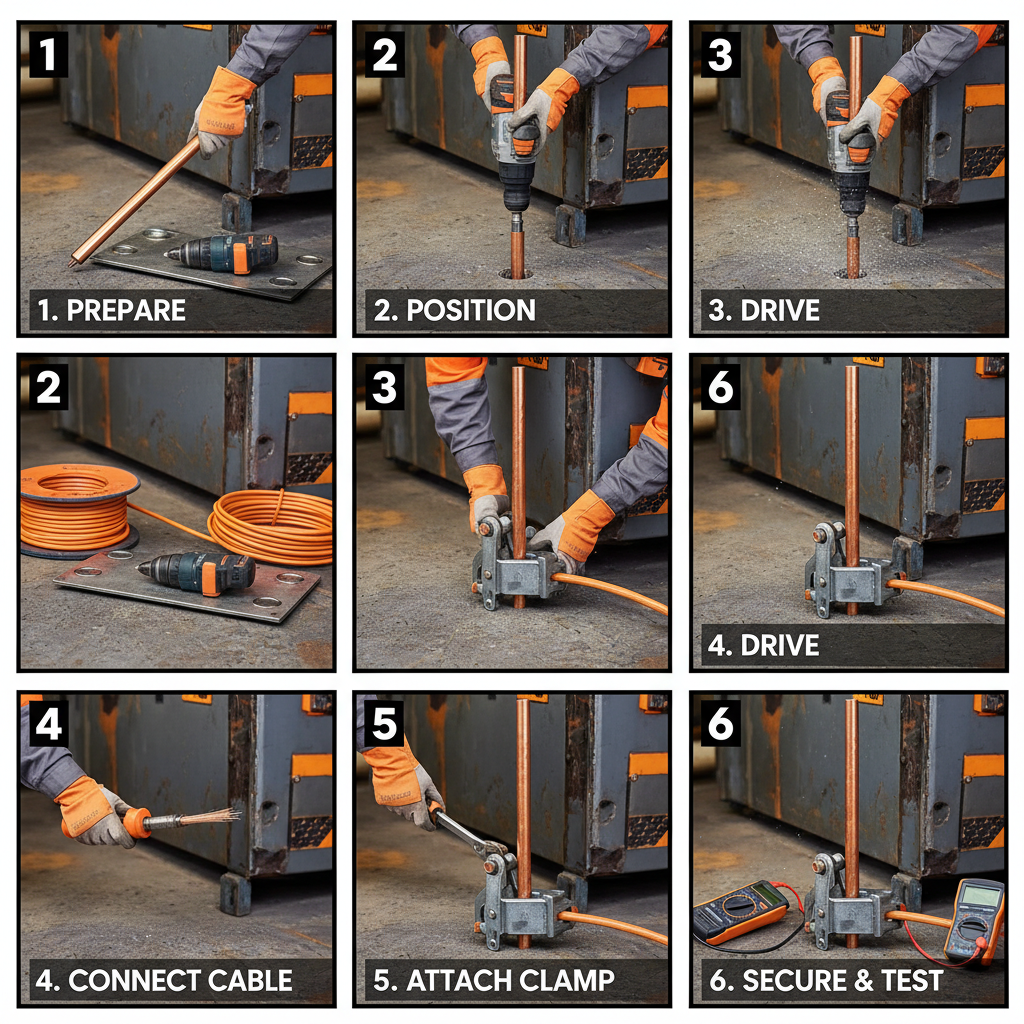
The installation process involves several key steps. First, choose a suitable location for the earth rod, avoiding underground utilities like gas pipes or water lines. Dig a hole deep enough to accommodate the entire length of the rod plus a few inches for the clamp connector. Insert the rod into the hole and drive it into the ground using a hammer or driving tool. Leave approximately 15-30cm (6-12 inches) of the rod exposed for the clamp connector. Attach the clamp connector securely to the rod and connect the earth wire. Finally, backfill the hole with soil, compacting it firmly around the rod. Regularly check the connection for corrosion and tightness.
Earth Rod Materials: Copper vs. Galvanized Steel
Choosing between copper and galvanized steel for your earth rod depends on your budget and environmental conditions. Here's a comparison:
Testing and Verification After Installing an Earth Rod
After installing an earth rod, it’s crucial to verify its effectiveness. Use an earth resistance tester to measure the resistance between the earth rod and the electrical system. The resistance should be as low as possible, ideally below 5 ohms, and certainly within the limits specified by local electrical codes. If the resistance is too high, consider using multiple earth rods connected together or employing a chemical enhancing agent to reduce soil resistivity. Regular testing, at least annually, is recommended to ensure the grounding system remains effective.
Conclusion: Ensuring Electrical Safety with Proper Grounding
Properly installing an earth rod is a vital step in ensuring electrical safety. By following the steps outlined in this guide and adhering to local regulations, you can create a reliable grounding system that protects people and property. Remember to prioritize safety, use the right tools and materials, and verify the installation with thorough testing.
Frequently Asked Questions (FAQs)
What is the ideal earth resistance reading?
The ideal earth resistance reading is as low as possible, typically below 5 ohms. However, this value can vary depending on local electrical codes and the specific application. Lower resistance provides a more effective path for fault currents, enhancing safety. Achieving low resistance may require using multiple earth rods, chemical ground rods, or a combination of methods. It’s essential to consult local regulations and a qualified electrician to determine the appropriate resistance value for your situation.
Can I install an earth rod myself?
While it is possible to install an earth rod yourself, it is strongly recommended to hire a qualified electrician, particularly if you are unfamiliar with electrical work. Improper installation can create safety hazards and may not meet local electrical code requirements. An electrician can ensure the rod is installed correctly, the connection is secure, and the earth resistance is within acceptable limits. They can also provide guidance on the appropriate materials and techniques for your specific situation.
How far apart should multiple earth rods be spaced?
When using multiple earth rods, they should be spaced at least the length of the rod itself apart. This prevents the overlapping of their grounding zones and ensures each rod effectively contributes to the overall grounding system. For example, if you are using 2.4-meter (8-foot) rods, they should be spaced at least 2.4 meters apart. Connecting the rods together with a conductor creates a more comprehensive and lower-resistance grounding network. Always refer to local electrical codes for specific spacing requirements.
Latest news
Precision Lifting and Pulling with the Lever Block 0.5 Ton Guide
NewsApr.16,2026
Precision Engineering Guide for High Performance Jet Lever
NewsApr.16,2026
Ultimate Guide to Choosing the Professional Industrial hoist lever
NewsApr.16,2026
Industrial Hoist Lever Chain Guide for Heavy Lifting and Rigging
NewsApr.16,2026
Industrial Lever Hoist Guide for Efficient Lifting and Pulling
NewsApr.16,2026
Ultimate Guide to Hand Ratchet Lift for Heavy Industrial Lifting
NewsApr.16,2026
- CONTACT
- ADDRESS: 188, Fengshou Road, Shijiazhuang. China
- EMAlL: info@bilopowtel.com
- PHONE: 0086-311-88862036
- WHATSAPP: 0086-152-26563165


