



Apr . 16, 2026 01:45 Back to list
Industrial Hand Lever Winch Guide for Heavy Lifting and Pulling
Mastering Heavy Lifting: The Ultimate Guide to the Hand Lever Winch
In the world of industrial lifting and material handling, efficiency and safety are non-negotiable. The hand lever winch serves as a critical tool for professionals who need precise control over heavy loads without relying on external power sources. Whether you are working in a remote construction site, a busy shipyard, or a tight warehouse space, these mechanical devices provide the necessary leverage to pull, lift, and tension loads with minimal effort. Understanding how to choose and maintain the right winch can significantly enhance operational productivity and worker safety.
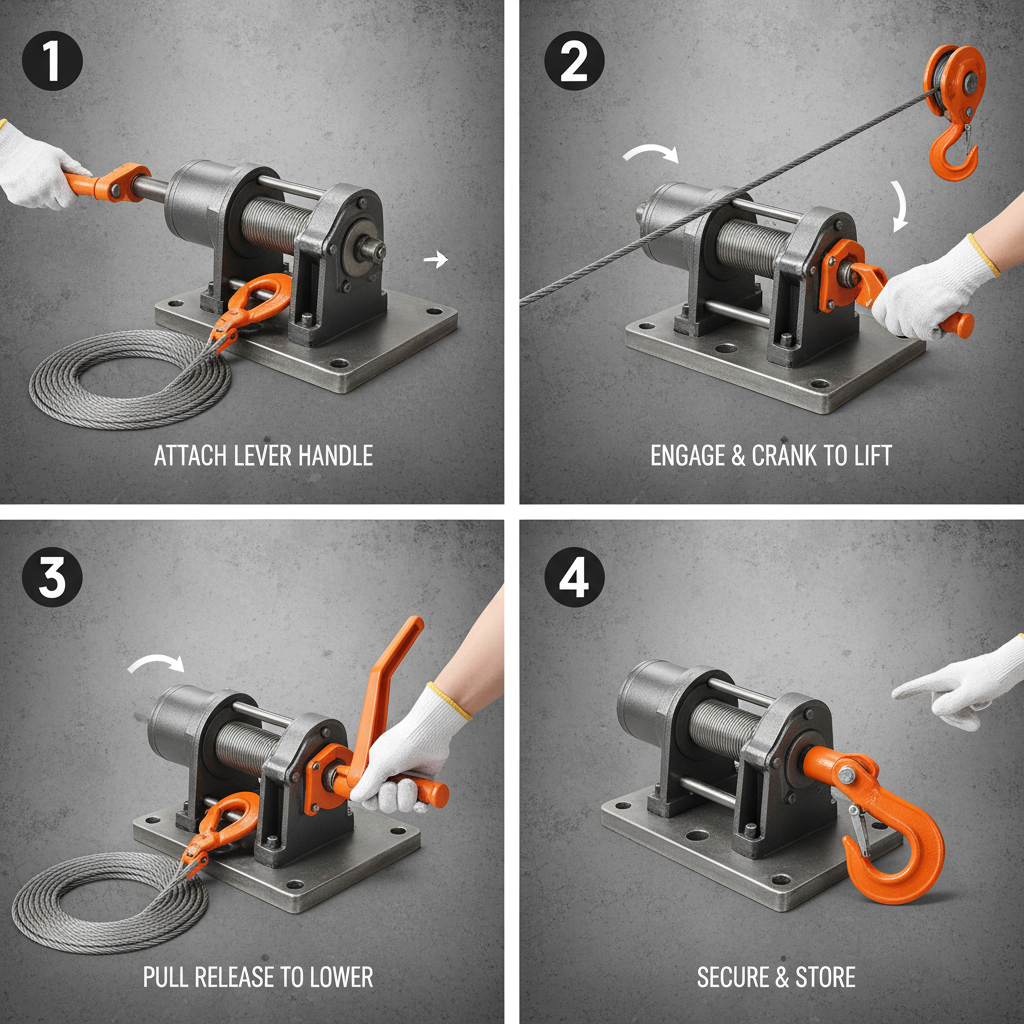
How a Hand Lever Winch Works: Mechanical Advantage
At its core, a hand lever winch operates on the principle of mechanical advantage. By using a ratcheting mechanism and a lever arm, the device converts a small amount of input force over a larger distance into a significant output force over a shorter distance. This allows a single operator to move loads that would be impossible to shift manually. The integrated braking system ensures that the load remains locked in place, preventing dangerous slippage during the lifting process. This reliability makes it an essential component for rigging and tensioning applications.
Pro Tip: Always ensure the ratchet pawl is fully engaged before applying full pressure to the lever to avoid sudden load drops.
Choosing the Right Hand Lever Winch Capacity
Selecting the correct capacity is the most important step in procurement. Overloading a winch can lead to mechanical failure, while under-sizing can result in excessive operator fatigue. When browsing for a hand lever winch, you must consider the Working Load Limit (WLL) rather than the ultimate breaking strength. For high-intensity environments, choosing a winch with a capacity slightly above your maximum expected load provides a critical safety buffer.
Hand Lever Winch vs. Electric Winches: Which to Choose?
Deciding between a manual and an electric system depends on your environment. An electric winch offers speed and ease of use but requires a power source and is susceptible to electrical failure. In contrast, a hand lever winch provides unmatched portability and reliability. It is the preferred choice for "fail-safe" operations where power is unavailable or where extreme precision is required to millimetres. Manual winches also typically have lower maintenance costs and a longer operational lifespan in harsh outdoor conditions.
Key Applications of the Hand Lever Winch
The versatility of this tool allows it to be deployed across numerous sectors. In the maritime industry, it is used for securing cargo and tensioning mooring lines. In the forestry and agriculture sectors, it helps in moving logs or heavy machinery across uneven terrain. Furthermore, utility companies rely on the hand lever winch for pulling cables through conduits or stabilizing poles during installation. The ability to operate the winch from a safe distance using the lever arm adds a layer of security for the operator.
Common Use Cases:
• Tensioning structural cables in construction
• Pulling vehicles out of mud or sand
• Adjusting heavy machinery positioning in factories
• Marine deck cargo securing
Technical Specifications for Industrial Winches
To ensure the longevity of your equipment, it is essential to adhere to the manufacturer's technical specifications. High-quality winches are typically constructed from forged steel or high-grade cast iron to resist deformation under load. The gear ratios are optimized to balance the effort required by the operator with the speed of the pull. When investing in a hand lever winch, pay close attention to the cable material and the corrosion resistance coating, especially for marine environments.
Conclusion: Optimizing Your Workflow with Professional Winches
Investing in a high-quality hand lever winch is about more than just moving loads; it is about ensuring the safety of your team and the efficiency of your projects. By understanding the mechanical advantages, choosing the correct capacity, and following strict maintenance protocols, you can transform a challenging lifting task into a controlled, seamless process. Whether for industrial, marine, or construction use, the right manual winch remains an indispensable asset in any professional's toolkit.
Frequently Asked Questions (FAQs)
How often should a hand lever winch be inspected?
A hand lever winch should be inspected before every single use to ensure there are no visible frays in the cable or cracks in the lever arm. For industrial settings, a comprehensive monthly inspection is recommended. This should include checking the lubrication of the gears, verifying the integrity of the locking pawl, and ensuring that the mounting bolts are tight. If the winch is used in corrosive environments, such as saltwater, inspections should be more frequent to prevent rust from compromising the structural integrity of the device.
Can I use a hand lever winch for overhead lifting?
Generally, most hand lever winches are designed for pulling or tensioning loads horizontally. Using them for overhead lifting requires a specific type of hoist winch that is certified for vertical lifting. Always check the manufacturer's manual to see if the device is rated for vertical loads. Lifting a load overhead with a pull-only winch can be extremely dangerous as the braking mechanisms may not be designed to hold a suspended load indefinitely. For vertical lifting, always use equipment specifically designated as a "hoist."
What is the best way to maintain the cable of my winch?
Proper cable maintenance is key to preventing accidents. First, keep the cable clean and free of debris that could cause abrasion. Second, apply a high-quality wire rope lubricant periodically to reduce internal friction and prevent corrosion. Third, ensure the cable is spooled evenly onto the drum; "bird-nesting" or overlapping can lead to kinks and premature failure. If you notice any broken strands or significant deformation, the cable should be replaced immediately. You can find high-quality replacement parts and compatible gear on the Bilopowtel website.
What should I do if the lever becomes difficult to pump?
If the lever becomes difficult to operate, it is usually a sign of either overloading or lack of lubrication. First, verify that the load does not exceed the Working Load Limit (WLL) of the winch. If the load is within limits, the internal gears may be dry or contaminated with grit. Clean the mechanism and apply a heavy-duty industrial grease to the gears and pivot points. If the resistance persists or you hear grinding noises, the internal teeth may be worn, and the unit should be serviced or replaced to avoid a catastrophic failure during operation.
Latest news
Precision Lifting and Pulling with the Lever Block 0.5 Ton Guide
NewsApr.16,2026
Precision Engineering Guide for High Performance Jet Lever
NewsApr.16,2026
Ultimate Guide to Choosing the Professional Industrial hoist lever
NewsApr.16,2026
Industrial Hoist Lever Chain Guide for Heavy Lifting and Rigging
NewsApr.16,2026
Industrial Lever Hoist Guide for Efficient Lifting and Pulling
NewsApr.16,2026
Ultimate Guide to Hand Ratchet Lift for Heavy Industrial Lifting
NewsApr.16,2026
- CONTACT
- ADDRESS: 188, Fengshou Road, Shijiazhuang. China
- EMAlL: info@bilopowtel.com
- PHONE: 0086-311-88862036
- WHATSAPP: 0086-152-26563165


