



Mar . 10, 2026 01:45 Back to list
Comprehensive Guide to Electrical Panel Ground Rods and Effective Grounding Systems
Understanding Electrical Panel Ground Rods: A Comprehensive Guide
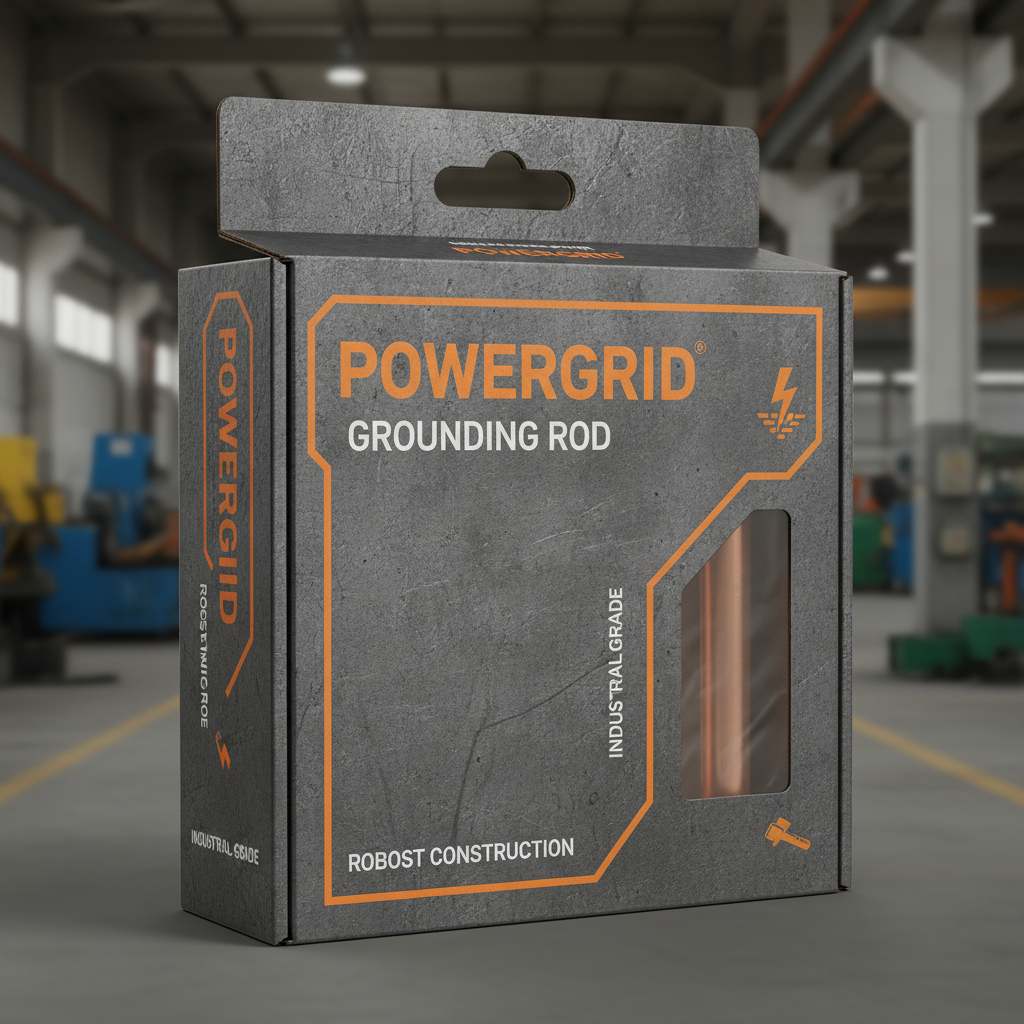
Electrical panel ground rods are a critical component of a safe and effective grounding system for your home or business. They provide a pathway for fault currents to dissipate into the earth, protecting individuals from electrical shock and minimizing the risk of fire. This article will explore the importance of ground rods, different types available, installation considerations, and how Bilopowtel can provide the right grounding solutions for your needs. A properly grounded electrical system is paramount for safety and code compliance.
Why are Electrical Panel Ground Rods Necessary?
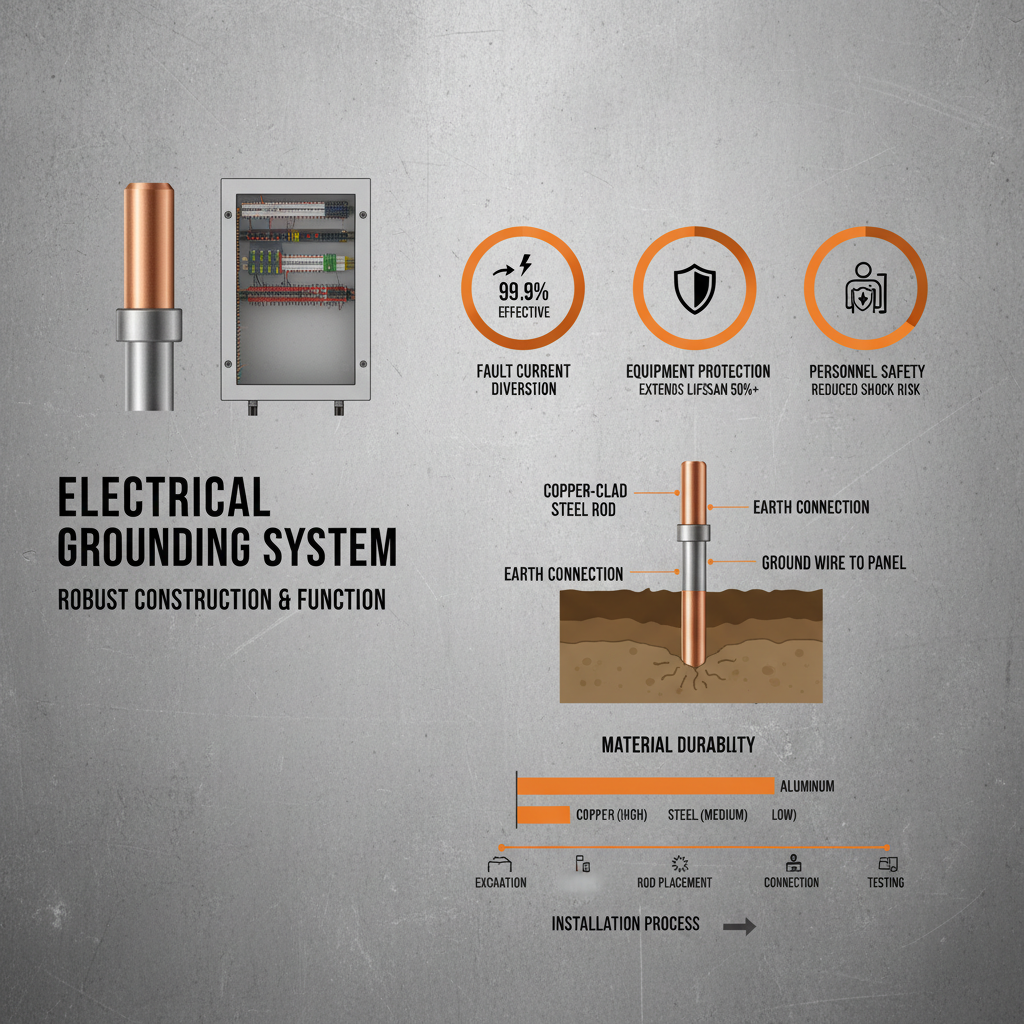
The primary function of a ground rod is to provide a low-resistance path to the earth for electrical current in the event of a fault. This can occur when a live wire comes into contact with a grounded surface, like a metal appliance casing or a water pipe. Without a proper ground, this fault current could travel through a person, causing serious injury or even death. Ground rods also help to stabilize voltage levels and protect sensitive electronic equipment from damage due to surges and spikes. They’re a cornerstone of electrical safety, mandated by building codes and essential for a secure electrical system.
Key Benefit: Protection against electrical shock, fire prevention, and enhanced system stability.
Types of Electrical Panel Ground Rods
Several types of ground rods are available, each with its advantages and disadvantages. The most common are:
- Copper-Clad Steel Rods: These consist of a steel core coated with copper, offering a good balance of strength and conductivity.
- Solid Copper Rods: Made entirely of copper, these provide the highest conductivity but are generally more expensive.
- Galvanized Steel Rods: These are less conductive than copper options but are a more affordable choice for certain applications.
- Grounding Electrodes (Rods & Plates): Specialized electrodes designed for specific soil conditions and applications.
The choice of ground rod depends on factors like soil resistivity, budget, and local building codes.
Ground Rod Comparison:
• Copper-Clad Steel: Cost-effective, durable, good conductivity.
• Solid Copper: Highest conductivity, most expensive.
• Galvanized Steel: Least conductive, most affordable.
Selecting the Right Ground Rod: Factors to Consider
Choosing the appropriate ground rod is crucial for an effective grounding system. Key factors include:
- Soil Resistivity: Soil composition greatly impacts conductivity. Sandy or rocky soil has higher resistivity than clay or moist soil.
- Rod Length: Longer rods generally provide lower resistance.
- Rod Diameter: Larger diameter rods offer more surface area for grounding.
- Local Codes: Building codes specify minimum grounding requirements, including rod size and depth.
- Fault Current: The potential magnitude of fault current influences the necessary grounding capacity.
It's highly recommended to consult with a qualified electrician to assess your specific needs and ensure compliance with local regulations.
Installation Best Practices
Proper installation is as critical as selecting the right ground rod. Here are some key best practices:
- Depth: Drive the rod at least 8 feet into the ground, or deeper if necessary to reach stable, moist soil.
- Spacing: If multiple rods are used, space them at least 6 feet apart.
- Connection: Use approved grounding clamps to securely connect the ground wire to the rod.
- Soil Enhancement: In areas with high soil resistivity, consider using a grounding enhancement compound.
- Inspection: Regularly inspect ground rod connections for corrosion or damage.
How Bilopowtel Can Help
At Bilopowtel, we offer a comprehensive range of grounding solutions, including high-quality ground rods, clamps, and accessories. Our team of experienced professionals can provide expert guidance on selecting the right products for your specific application and ensuring proper installation. We are committed to providing reliable, safe, and code-compliant grounding solutions for residential, commercial, and industrial customers. Contact us today for a consultation.
Conclusion: Ensuring Safety with Reliable Grounding
Investing in a robust grounding system, including quality electrical panel ground rods, is a vital step in protecting your property and the people within it. Bilopowtel is your trusted partner for all your grounding needs, offering expert advice, high-quality products, and reliable service.
Frequently Asked Questions (FAQs)
How often should I inspect my ground rods?
Ground rods should be inspected at least once a year, and more frequently in harsh environments (e.g., coastal areas with salt air). Look for signs of corrosion, damage to the rod or clamp, and loose connections. Ensure the ground wire is securely attached and that the surrounding soil hasn't shifted significantly. It's also a good idea to test the grounding resistance periodically with a ground resistance tester. Regular inspection ensures the system continues to function effectively and provides reliable protection.
Can I install a ground rod myself?
While it is possible to install a ground rod yourself, it's strongly recommended to hire a qualified electrician. Improper installation can render the grounding system ineffective and even create a safety hazard. Electricians have the expertise to assess your specific needs, select the appropriate materials, and ensure proper installation according to local codes. They also have the necessary tools and testing equipment to verify the system's effectiveness.
What if I have rocky soil?
Rocky soil can make driving a ground rod difficult. In such cases, a specialized grounding electrode, such as a ground ring or a chemical ground rod, may be necessary. Chemical ground rods contain a granular material that expands when mixed with water, creating a larger surface area for grounding. An electrician can assess the soil conditions and recommend the most appropriate solution. It’s also important to ensure sufficient depth is reached for a solid connection.
Latest news
Precision Lifting and Pulling with the Lever Block 0.5 Ton Guide
NewsApr.16,2026
Precision Engineering Guide for High Performance Jet Lever
NewsApr.16,2026
Ultimate Guide to Choosing the Professional Industrial hoist lever
NewsApr.16,2026
Industrial Hoist Lever Chain Guide for Heavy Lifting and Rigging
NewsApr.16,2026
Industrial Lever Hoist Guide for Efficient Lifting and Pulling
NewsApr.16,2026
Ultimate Guide to Hand Ratchet Lift for Heavy Industrial Lifting
NewsApr.16,2026
- CONTACT
- ADDRESS: 188, Fengshou Road, Shijiazhuang. China
- EMAlL: info@bilopowtel.com
- PHONE: 0086-311-88862036
- WHATSAPP: 0086-152-26563165


