



Feb . 25, 2026 01:45 Back to list
Understanding the Safety and Applications of a Lamp with No Earth Wire
Understanding Lamps with No Earth Wire: Safety and Applications
When dealing with electrical lighting, the absence of an earth wire can raise questions about safety and suitability. A lamp with no earth wire, often found in older installations or specific types of lighting, requires careful consideration. This article will delve into the reasons why some lamps are designed without an earth wire, their applications, and crucial safety precautions. We'll explore the classifications of these lamps, the risks involved, and how to ensure safe operation. Understanding these aspects is vital for both consumers and professionals involved in electrical work.
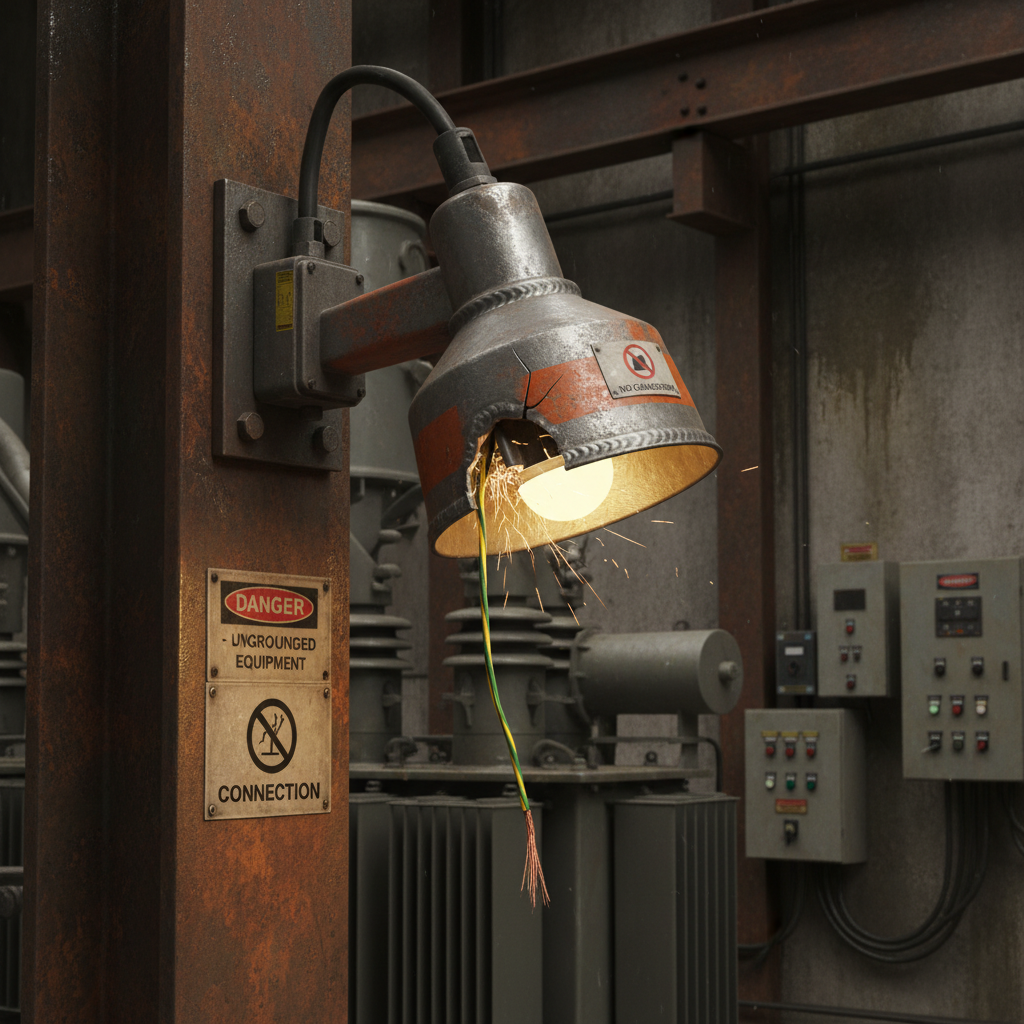
Why are Some Lamps Manufactured Without an Earth Wire?
The decision to manufacture a lamp without an earth wire isn't arbitrary. Historically, many lamps were designed and produced before earthing became a standard safety requirement. Furthermore, lamps utilizing 'double insulation' are often designed without an earth wire. Double insulation means the lamp has two layers of insulation separating the live parts from the user, significantly reducing the risk of electric shock. These lamps are marked with a square-within-a-square symbol. They rely on this enhanced insulation rather than an earth connection for safety. This design reduces material costs and simplifies construction, but it's crucial to ensure the insulation remains intact. Bilopowtel specializes in providing safe and compliant lighting solutions.
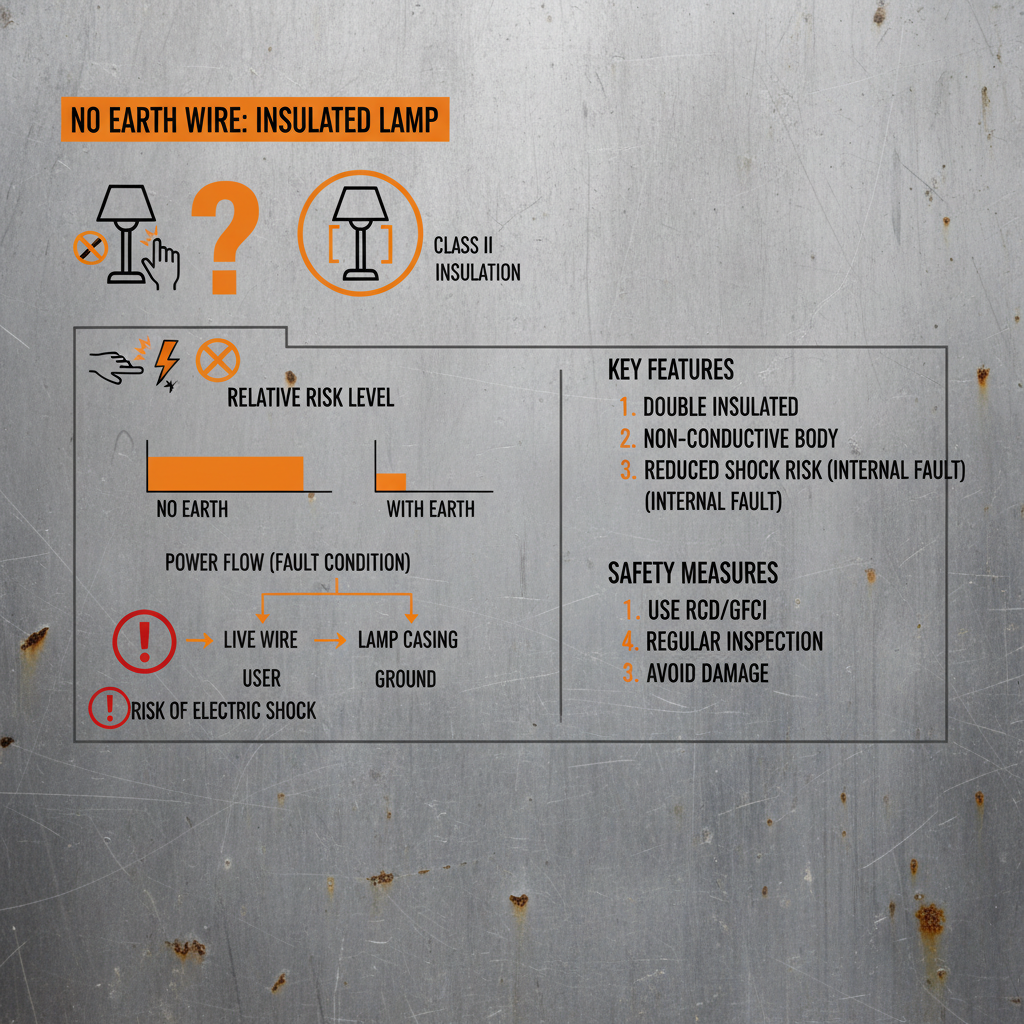
Key Points: Double insulation provides a high level of protection by using two layers of protective insulation. Lamps with double insulation are identified by a specific symbol indicating their safety features.
Classifications of Lamps and Earthing Requirements
Electrical appliances, including lamps, are classified based on their protection against electric shock. Class I appliances require earthing, Class II rely on double insulation, and Class III use low voltage. A lamp with no earth wire typically falls into Class II. It’s essential to understand these classifications to ensure proper installation and use. Misunderstanding these classes can lead to unsafe situations. Always check the appliance’s marking to determine its safety class.
Electrical Appliance Classes:
• Class I: Requires earthing.
• Class II: Double insulated, no earthing required.
• Class III: Low voltage, no earthing required.
Potential Risks Associated with Lamps Without an Earth Wire
While double insulation significantly reduces risk, it's not foolproof. If the insulation is damaged or compromised – through age, wear, or physical damage – the risk of electric shock increases. Therefore, regular inspection of the lamp’s cable and casing is vital. Never use a lamp with damaged insulation. A faulty internal component could also potentially create a hazardous situation. Using these lamps in damp or wet environments is strongly discouraged, as moisture can reduce the effectiveness of the insulation. Bilopowtel emphasizes the importance of rigorous quality control to minimize these risks.
Safe Usage Guidelines for Lamps Without Earth Wires
To ensure safe operation of a lamp with no earth wire, always inspect the cable and plug for damage before use. Avoid using extension cables unless absolutely necessary, and if you do, ensure they are of good quality and correctly rated. Never attempt to repair a lamp yourself; instead, consult a qualified electrician. Keep the lamp clean and dry, and avoid using it in areas where it could be exposed to moisture. Regular visual checks for any signs of damage are critical.
Conclusion: Prioritizing Safety with Informed Choices
Understanding and respecting the safety features of any electrical appliance is paramount. A lamp with no earth wire can be safely used when it adheres to the correct safety standards and is regularly inspected. Choosing reputable brands, like Bilopowtel, ensures you're investing in quality and safety.
Frequently Asked Questions (FAQs)
Can I use a lamp with no earth wire in a bathroom?
Generally, it is not recommended to use a lamp with no earth wire in a bathroom or any other area with high moisture levels. Bathrooms are considered Zone 1 or Zone 2 areas, requiring additional safety measures. Electrical regulations stipulate that appliances in these zones should have enhanced protection, usually involving earthing or low voltage. Using a non-earthed lamp in such an environment significantly increases the risk of electric shock. It is best to use specifically designed bathroom lighting that meets the relevant safety standards.
What should I do if I notice damaged insulation on a lamp with no earth wire?
If you notice any damage to the insulation of a lamp with no earth wire, immediately stop using it. Do not attempt to repair the insulation yourself. The lamp should be taken out of service and either replaced or repaired by a qualified electrician. Continuing to use a lamp with damaged insulation poses a significant electric shock hazard. A professional can assess the damage and determine if the lamp is safe for continued use or if it needs to be discarded.
Are lamps with no earth wire compliant with current electrical regulations?
Lamps with no earth wire can be compliant with current electrical regulations if they are designed and manufactured with double insulation and are properly marked with the appropriate symbol. However, regulations vary by region, so it’s essential to ensure the lamp meets the specific standards for your location. New installations often prioritize earthed appliances for enhanced safety. Bilopowtel ensures all its products meet relevant safety standards.
Latest news
Precision Lifting and Pulling with the Lever Block 0.5 Ton Guide
NewsApr.16,2026
Precision Engineering Guide for High Performance Jet Lever
NewsApr.16,2026
Ultimate Guide to Choosing the Professional Industrial hoist lever
NewsApr.16,2026
Industrial Hoist Lever Chain Guide for Heavy Lifting and Rigging
NewsApr.16,2026
Industrial Lever Hoist Guide for Efficient Lifting and Pulling
NewsApr.16,2026
Ultimate Guide to Hand Ratchet Lift for Heavy Industrial Lifting
NewsApr.16,2026
- CONTACT
- ADDRESS: 188, Fengshou Road, Shijiazhuang. China
- EMAlL: info@bilopowtel.com
- PHONE: 0086-311-88862036
- WHATSAPP: 0086-152-26563165


