



Mar . 24, 2026 01:55 Back to list
Comprehensive Guide to Residential Electrical Ground Rods and Safety
Understanding and Utilizing Residential Electrical Ground Rods
Ensuring a safe and reliable electrical system for your home starts beneath the surface. Residential electrical ground rods are a critical component of that system, providing a pathway for fault currents to dissipate safely into the earth. This article will delve into the purpose of ground rods, types available, installation best practices, and key considerations for maintaining a secure grounding system. Understanding these aspects is essential for homeowners and professionals alike. Proper grounding isn't just about code compliance – it’s about protecting your family and property.
Why are Residential Electrical Ground Rods Necessary?
Ground rods are vital for safety because they provide a low-resistance path for electrical current to flow back to the source in the event of a fault, such as a short circuit. Without a proper ground, this current can build up on metal appliances, pipes, or even the structural components of your home, creating a potentially lethal shock hazard. Furthermore, a grounded system helps protect sensitive electronic equipment from damage caused by power surges and lightning strikes. The National Electrical Code (NEC) mandates grounding systems for residential electrical installations, and adherence to these codes is paramount for safety and insurance purposes. BiloPowtel offers a range of ground rods to meet these crucial safety requirements.
Key Benefits: Protection against electrical shock, safeguarding of electronic devices, compliance with NEC standards, and prevention of electrical fires.
Types of Residential Electrical Ground Rods
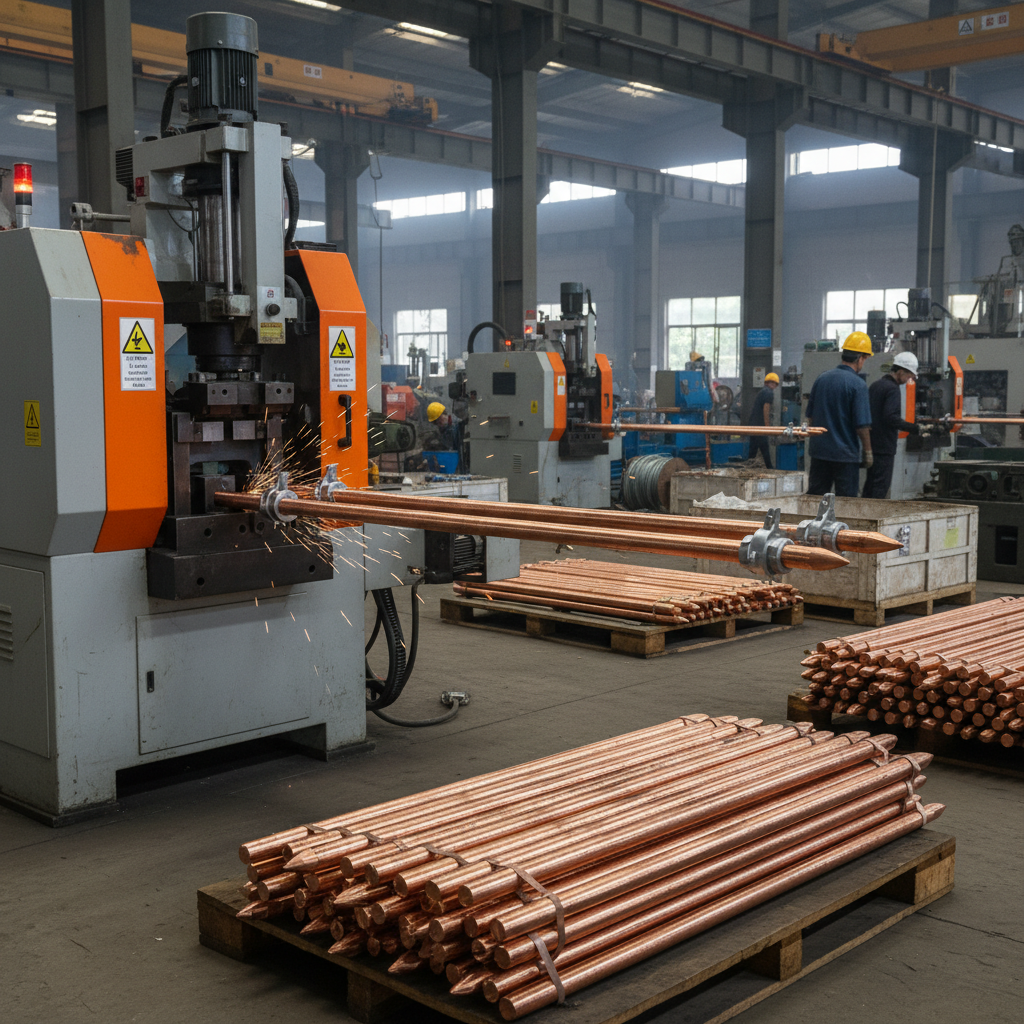
Several types of ground rods are commonly used in residential applications. Copper-clad steel rods are the most popular choice due to their combination of conductivity and strength. These rods consist of a steel core coated with copper, providing excellent corrosion resistance and a reliable grounding path. Solid copper rods offer superior conductivity but are more expensive and prone to bending. Galvanized steel rods are a less expensive option but may not offer the same level of corrosion resistance as copper-clad steel. The appropriate rod type depends on soil conditions and local building codes. Explore the variety of ground rod options available from BiloPowtel.
Ground Rod Comparison:
• Copper-Clad Steel: Excellent conductivity, strength, and corrosion resistance.
• Solid Copper: Superior conductivity, but more expensive and less durable.
• Galvanized Steel: Least expensive, but lower corrosion resistance.
Proper Installation of Residential Ground Rods
Correct installation is crucial for effective grounding. Ground rods should be driven vertically into the earth until only a few inches remain above the surface. Typically, two rods are required, spaced at least 6 feet apart, and connected with a grounding conductor. The soil should be moist to ensure good conductivity. In dry or rocky soil, special ground enhancers or additional rods may be necessary. A licensed electrician should always perform the installation to ensure compliance with local codes and safety standards. Improperly installed ground rods can be ineffective and even create a safety hazard.
Maintaining Your Grounding System
Regular inspection of your grounding system is essential. Check for corrosion on the ground rods and connections. Ensure the grounding conductor remains securely attached. Periodically test the grounding system's resistance using a ground resistance tester. If you notice any signs of damage or deterioration, consult with a qualified electrician for repair or replacement. A well-maintained grounding system provides continuous protection for your home and family.
Product Specifications and Options from BiloPowtel
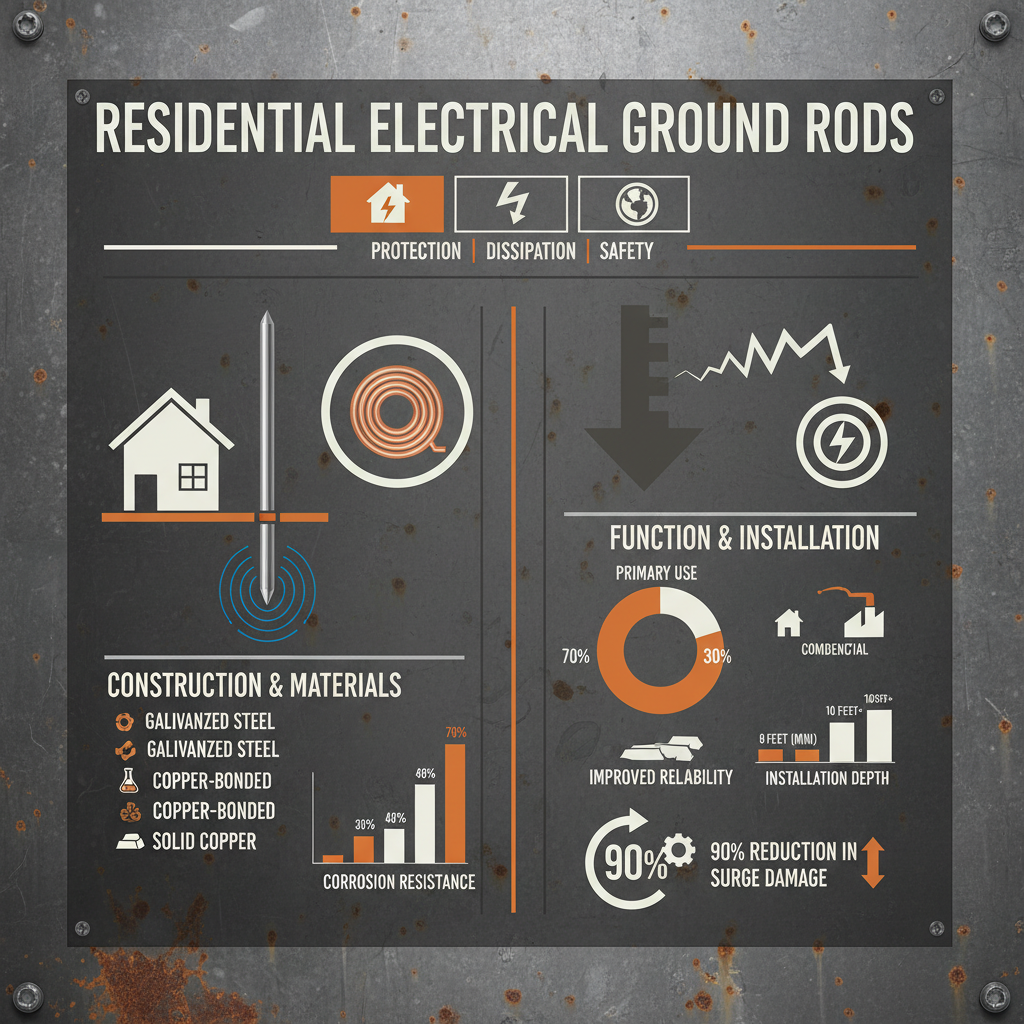
BiloPowtel offers a comprehensive range of residential electrical ground rods to suit various soil conditions and application requirements. Our rods are manufactured to the highest standards and meet all applicable NEC guidelines. We carry copper-clad steel rods in various lengths and diameters, as well as solid copper rods for demanding applications. We also provide ground rod drivers and connectors for easy installation. Browse our catalog for detailed specifications and pricing.
Conclusion: Prioritize Safety with Reliable Grounding
Investing in high-quality residential electrical ground rods and professional installation is a crucial step in protecting your home and family. A properly grounded system safeguards against electrical shock, fire hazards, and damage to sensitive electronics. Don't compromise on safety – choose BiloPowtel for reliable grounding solutions.
Frequently Asked Questions (FAQs)
How many ground rods do I need for my home?
The number of ground rods required depends on local building codes and soil conditions. Generally, the NEC requires at least two ground rods, spaced at least 6 feet apart, for a residential electrical system. However, some areas may require more, particularly if the soil has high resistance. A qualified electrician can assess your specific needs and ensure compliance with all applicable regulations.
Can I install ground rods myself?
While it's technically possible to install ground rods yourself, it's strongly recommended to hire a licensed electrician. Electrical work can be dangerous, and improper installation can create a safety hazard. An electrician has the knowledge, experience, and tools to ensure the grounding system is installed correctly and meets all applicable codes. Incorrect installation can void warranties and potentially lead to serious consequences.
What is a ground ring, and is it necessary?
A ground ring is a bare copper conductor encircling the building's foundation and connected to the ground rods. It provides a more comprehensive grounding system, particularly in areas with high soil resistivity. While not always required by code, a ground ring can significantly improve the effectiveness of the grounding system and enhance safety. It's often recommended for larger homes or properties with challenging soil conditions.
How do I know if my grounding system is working properly?
The best way to determine if your grounding system is working properly is to have it tested by a qualified electrician using a ground resistance tester. This test measures the resistance between the ground rods and the electrical system, ensuring it's within acceptable limits. Regular testing, especially after significant weather events or electrical work, is recommended to maintain a safe and reliable grounding system.
Latest news
Precision Lifting and Pulling with the Lever Block 0.5 Ton Guide
NewsApr.16,2026
Precision Engineering Guide for High Performance Jet Lever
NewsApr.16,2026
Ultimate Guide to Choosing the Professional Industrial hoist lever
NewsApr.16,2026
Industrial Hoist Lever Chain Guide for Heavy Lifting and Rigging
NewsApr.16,2026
Industrial Lever Hoist Guide for Efficient Lifting and Pulling
NewsApr.16,2026
Ultimate Guide to Hand Ratchet Lift for Heavy Industrial Lifting
NewsApr.16,2026
- CONTACT
- ADDRESS: 188, Fengshou Road, Shijiazhuang. China
- EMAlL: info@bilopowtel.com
- PHONE: 0086-311-88862036
- WHATSAPP: 0086-152-26563165


