



Apr . 09, 2026 01:45 Back to list
Industrial Lifting Guide for Chain Block Lever Type Hoists
Mastering Heavy Lifting: The Ultimate Guide to Chain Block Lever Type Hoists
In the world of industrial lifting and material handling, precision and safety are non-negotiable. The chain block lever type hoist has emerged as an indispensable tool for professionals who require a combination of power and control. Unlike standard chain blocks, the lever-operated system allows for a more nuanced movement, making it ideal for tensioning, pulling, and lifting in confined spaces. Whether you are working in automotive repair, construction, or heavy manufacturing, understanding the mechanics and selection of these tools is key to operational efficiency. In this comprehensive guide, we will explore the technical advantages, specifications, and best practices for using this essential equipment.
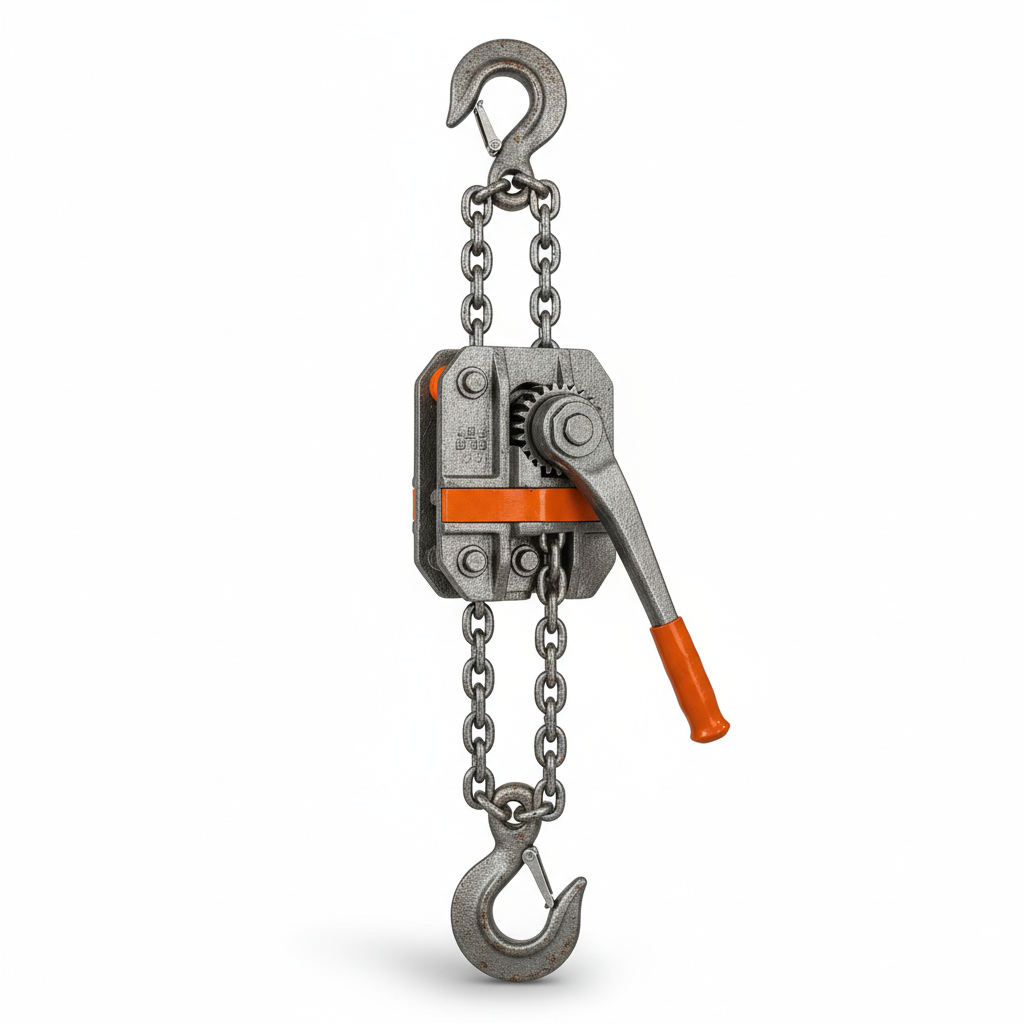
How the Chain Block Lever Type Works
The fundamental design of a chain block lever type hoist revolves around a ratchet and pawl mechanism. When the operator pumps the handle, the internal gears multiply the input force, allowing a relatively small amount of effort to lift massive loads. The "lever" aspect is what distinguishes it from a traditional chain fall; it provides a faster response and the ability to pull horizontally as well as vertically. High-grade alloy steel is typically used for the load chain to ensure maximum tensile strength and resistance to wear, ensuring that the hoist can handle repetitive heavy-duty cycles without compromising safety.
Engineering Insight: The mechanical advantage provided by the lever allows for "inching" movements, which are critical when aligning heavy machinery or installing structural beams where a millimeter of difference can be critical.
Key Advantages of Using a Chain Block Lever Type
One of the primary reasons engineers prefer the chain block lever type over other lifting devices is its versatility. It does not require a fixed overhead support to function, meaning it can be used for pulling a vehicle out of a ditch or tensioning a cable. Additionally, the automatic braking system ensures that the load is held securely in place at any height, preventing accidental slips. This makes it a superior choice for environments where stability is a primary concern. Its compact size also allows it to be transported easily between different job sites.
Core Benefits:
• Dual Functionality: Capable of both lifting (vertical) and pulling (horizontal).
• Precision Control: Lever action allows for minute adjustments of the load.
• High Portability: Lightweight and compact design for mobile operations.
• Enhanced Safety: Integrated load brakes prevent uncontrolled descent.
Comparing Chain Block Lever Type vs. Manual Chain Hoist
Choosing between a lever hoist and a standard chain block depends entirely on the application. While a manual chain block is often better for very high vertical lifts due to its higher gear ratios, the chain block lever type wins on speed and flexibility. The lever hoist requires less physical space for the operator to stand and allows for a quicker "up-and-down" rhythm. For those who need to move loads across a floor or tension a structure, the lever type is the only viable option.
Industry Applications for Chain Block Lever Type Hoists
The practical applications of the chain block lever type are vast. In the shipbuilding industry, they are used to pull heavy steel plates into alignment for welding. In mining operations, these hoists are essential for extracting equipment or stabilizing tunnel supports. Even in smaller workshops, they are used for engine removal or chassis adjustment. The ability to operate in harsh conditions—provided the chain is lubricated—makes them a staple in outdoor construction sites where electric hoists cannot be safely deployed due to a lack of power sources or exposure to rain.
Technical Specifications of a Standard Chain Block Lever Type
When purchasing a chain block lever type, it is critical to look at the load capacity and the chain reach. Most industrial models are rated from 0.5 tons up to 6 tons. The safety factor is typically 4:1, meaning the unit is tested to withstand significantly more than its rated capacity to prevent catastrophic failure. Below is a specification table for common industrial models to help you choose the right tool for your specific load requirements.
Maintenance and Safety Tips for Longevity
To ensure your chain block lever type remains safe and functional, a strict maintenance schedule is required. First, the load chain must be inspected for stretching or twisted links before every use. Lubricating the chain with a high-quality industrial oil reduces friction and prevents corrosion, which is especially important in salty or humid environments. Never overload the hoist; exceeding the rated capacity can lead to internal gear failure or chain snapping. Finally, always ensure the hooks are fully seated and the safety latches are functional to prevent the load from accidentally detaching.
Conclusion: The Value of the Chain Block Lever Type
The chain block lever type is far more than just a lifting tool; it is a precision instrument that enhances safety and productivity across countless industries. By offering the unique ability to both lift and pull with extreme accuracy, it solves complex material handling challenges that traditional hoists cannot. Investing in a high-quality lever hoist, coupled with rigorous maintenance, ensures that your operations remain efficient and your workforce remains safe. When power meets precision, the lever hoist is the ultimate solution.
Frequently Asked Questions (FAQs)
Can a chain block lever type be used for horizontal pulling?
Yes, one of the most significant advantages of the lever type hoist is its capability for horizontal pulling. Unlike standard chain blocks which are designed primarily for vertical lifting, the lever hoist's mechanism allows it to apply tension in any direction. This makes it ideal for pulling heavy machinery into place, tensioning cables, or adjusting structural components. However, users should always ensure that the anchor points are secure and that the hoist is aligned with the direction of the pull to avoid side-loading the chain.
How often should I lubricate the chain of my lever hoist?
Lubrication frequency depends on the environment and usage intensity. For standard industrial use, we recommend a thorough lubrication every 3 to 6 months. If the hoist is used in corrosive environments, such as marine or chemical plants, lubrication should be performed monthly. Use a high-penetration industrial lubricant to ensure the oil reaches the internal links. Regular lubrication not only reduces wear and tear but also prevents the chain from "stuttering" during operation, ensuring a smoother lift and longer tool lifespan.
What should I do if the lever becomes difficult to pump?
If the lever becomes hard to operate, it is usually a sign of one of three things: overloading, lack of lubrication, or internal gear wear. First, verify that the load does not exceed the rated capacity. Second, apply lubricant to the chain and the moving parts of the lever. If the problem persists, the unit may require internal servicing or a gear replacement. Never force the lever with an extension pipe or external tool, as this can damage the ratchet mechanism and create a serious safety hazard. Contact a professional technician for internal inspections.
Is the lever hoist safe for overhead lifting?
Yes, provided it is used within its rated capacity and is properly anchored. The integrated load brake ensures that the load is held securely. However, for permanent overhead installations where lifting occurs frequently over long distances, a dedicated electric hoist or a manual chain block might be more ergonomic. For temporary lifting, precision positioning, or pulling, the lever hoist is an excellent and safe choice. Always ensure the hoist is inspected for certification (such as CE or ASME standards) and that the hooks are locked before lifting any personnel or expensive equipment.
Latest news
Precision Lifting and Pulling with the Lever Block 0.5 Ton Guide
NewsApr.16,2026
Precision Engineering Guide for High Performance Jet Lever
NewsApr.16,2026
Ultimate Guide to Choosing the Professional Industrial hoist lever
NewsApr.16,2026
Industrial Hoist Lever Chain Guide for Heavy Lifting and Rigging
NewsApr.16,2026
Industrial Lever Hoist Guide for Efficient Lifting and Pulling
NewsApr.16,2026
Ultimate Guide to Hand Ratchet Lift for Heavy Industrial Lifting
NewsApr.16,2026
- CONTACT
- ADDRESS: 188, Fengshou Road, Shijiazhuang. China
- EMAlL: info@bilopowtel.com
- PHONE: 0086-311-88862036
- WHATSAPP: 0086-152-26563165


