



Apr . 16, 2026 01:45 Back to list
Industrial Gorilla Lever Block Guide for Heavy Lifting and Pulling
Mastering Heavy Lifting: The Ultimate Guide to the Gorilla Lever Block
In the demanding world of industrial rigging and construction, precision and power are non-negotiable. The gorilla lever block emerges as a premier solution for professionals who require a reliable, high-capacity pulling and lifting tool. Designed to handle extreme loads with minimal effort, this equipment is essential for everything from engine hoisting to structural alignment. In this comprehensive guide, we will explore why the Gorilla series is the gold standard for durability and how choosing the right lever hoist can optimize your operational efficiency and site safety.
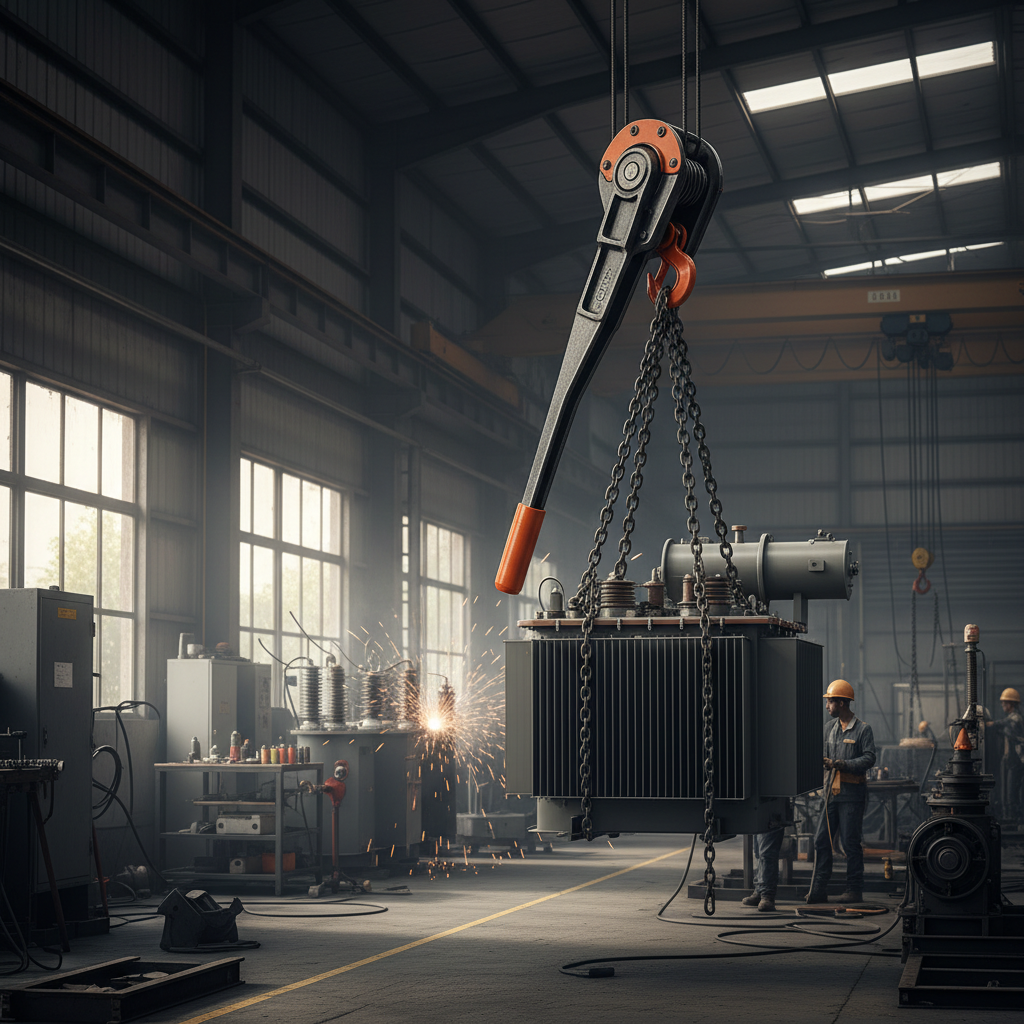
Engineering Excellence of the Gorilla Lever Block
The secret behind the performance of a gorilla lever block lies in its superior metallurgy and mechanical design. Constructed from high-grade alloy steel, the internal gears are heat-treated to prevent wear and deformation under maximum load. The ratcheting mechanism is engineered for smooth operation, ensuring that the operator can exert precise control over the load movement. Unlike standard hoists, the Gorilla series focuses on load-holding security, utilizing an automatic braking system that prevents accidental slips, making it an indispensable tool for high-risk environments.
Pro Tip: The reinforced chassis of the Gorilla series reduces frame deflection, which translates to a longer lifespan and more consistent lifting heights across multiple cycles.
Key Advantages of Using a Gorilla Lever Block
When comparing various hoisting options, the gorilla lever block provides a unique combination of portability and raw power. Its compact design allows it to be used in tight spaces where a traditional crane or chain fall would be impractical. Furthermore, the ergonomic handle design reduces operator fatigue, allowing for extended use during complex assembly projects. Whether you are performing a precise pull in a factory setting or a heavy lift on a construction site, the versatility of the lever block ensures that you have the right tool for the job without compromising on safety.
Why Choose Gorilla Series?
• Compact Form Factor: Easy to transport and deploy in confined areas.
• Precision Control: Millimeter-accurate positioning for sensitive loads.
• Extreme Durability: Weather-resistant coatings for outdoor industrial use.
• High Safety Factor: Exceeds international load-bearing standards.
Gorilla Lever Block vs. Conventional Chain Hoists
While conventional chain hoists are excellent for vertical lifting, the gorilla lever block offers the added capability of horizontal pulling. This bidirectional functionality makes it a far more versatile asset on the job site. While a chain hoist requires a fixed overhead support, the lever block can be anchored to various points to pull loads into place. The following table highlights the critical differences in application and performance.
Industrial Applications of the Gorilla Lever Block
The utility of a gorilla lever block extends across multiple heavy-duty sectors. In the oil and gas industry, these blocks are used for pulling heavy pipes and maintaining valves. In the automotive sector, they are perfect for removing transmissions or aligning chassis components. The ability to lock a load in place allows teams to work safely under or around the object. Furthermore, the rugged build ensures that the equipment can withstand the grit and grime of mining operations and shipyards without failure.
Technical Specifications for Gorilla Lever Block Models
Selecting the right capacity is crucial for both safety and efficiency. A gorilla lever block comes in various sizes to accommodate different load requirements. Overloading a hoist can lead to mechanical failure, while under-specifying can lead to unnecessary operator effort. Below are the detailed technical specifications for the most commonly used models in the industrial range.
Maintenance and Safety Protocol
To ensure the longevity of your gorilla lever block, a strict maintenance schedule is required. Regularly lubricating the internal gears and the chain prevents friction-based wear and ensures the ratchet operates smoothly. Operators should inspect the chain for any twisted links or signs of stretching before every use. Additionally, ensuring that the hooks are not bent and the safety latches are fully functional is paramount to preventing load drops. Following these simple steps not only protects your investment but, more importantly, ensures the safety of everyone on the job site.
Conclusion: Elevate Your Efficiency with Gorilla Lever Blocks
The gorilla lever block is more than just a lifting tool; it is a precision instrument designed for the toughest industrial challenges. By combining high-grade materials with an intuitive mechanical design, it provides the security and power needed for complex rigging tasks. Whether you are upgrading your current equipment or equipping a new site, investing in a Gorilla series hoist ensures that your operations remain safe, precise, and efficient. Don't settle for mediocre lifting solutions—choose the strength and reliability of the Gorilla.
Frequently Asked Questions (FAQs)
Can the Gorilla Lever Block be used for permanent suspension?
No, a lever block is designed for lifting, pulling, and temporary positioning of loads. It is not intended for permanent suspension of a load over long periods. For long-term suspension, we recommend using dedicated shackles, slings, or permanent hoisting systems. Using a lever block for permanent suspension can lead to chain fatigue and potentially compromise safety over time. Always follow the manufacturer's guidelines regarding load duration.
How do I determine the correct capacity for my load?
To determine the correct capacity, you must calculate the total weight of the object being moved, including any rigging hardware. It is a professional standard to choose a hoist with a Working Load Limit (WLL) that is at least 20% higher than the actual load to provide a safety buffer. For example, if your load is 1.2 tons, a 1.5-ton gorilla lever block would be the appropriate choice. Never exceed the rated capacity marked on the device.
What is the recommended lubrication for the chain?
We recommend using a high-quality industrial-grade chain lubricant or a lithium-based grease. The lubricant should be applied evenly across the chain links and the internal gears to reduce friction and prevent corrosion, especially in humid or salty environments. Avoid using thick, sticky greases that attract excessive dust and grit, as this can create an abrasive paste that actually accelerates wear on the gear teeth. A light, penetrating oil is often best for regular maintenance.
Is the Gorilla Lever Block suitable for outdoor use?
Yes, the Gorilla series is specifically built for rugged environments. The chassis is treated with a corrosion-resistant powder coating, and the alloy steel components are designed to withstand temperature fluctuations. However, if you are using the equipment in extremely corrosive environments (such as offshore marine sites), we recommend more frequent lubrication and immediate cleaning after exposure to saltwater to ensure the mechanical integrity remains intact.
Latest news
Precision Lifting and Pulling with the Lever Block 0.5 Ton Guide
NewsApr.16,2026
Precision Engineering Guide for High Performance Jet Lever
NewsApr.16,2026
Ultimate Guide to Choosing the Professional Industrial hoist lever
NewsApr.16,2026
Industrial Hoist Lever Chain Guide for Heavy Lifting and Rigging
NewsApr.16,2026
Industrial Lever Hoist Guide for Efficient Lifting and Pulling
NewsApr.16,2026
Ultimate Guide to Hand Ratchet Lift for Heavy Industrial Lifting
NewsApr.16,2026
- CONTACT
- ADDRESS: 188, Fengshou Road, Shijiazhuang. China
- EMAlL: info@bilopowtel.com
- PHONE: 0086-311-88862036
- WHATSAPP: 0086-152-26563165


