



Mar . 05, 2026 01:45 Back to list
Understanding Earth Rods and SDS Connections for Enhanced Grounding Systems
Understanding Earth Rods and SDS Connections
When establishing effective grounding systems, particularly in electrical installations and lightning protection, the selection of appropriate earth rods is crucial. The method of connecting these rods is equally important. This article will focus on earth rods, specifically those utilizing SDS (Slot and Drive System) connections, outlining their benefits, applications, and installation considerations. Effective grounding is fundamental to safety and performance in various applications, preventing electrical shocks and ensuring the proper operation of equipment. We'll explore how the SDS connection enhances the reliability and longevity of these systems.
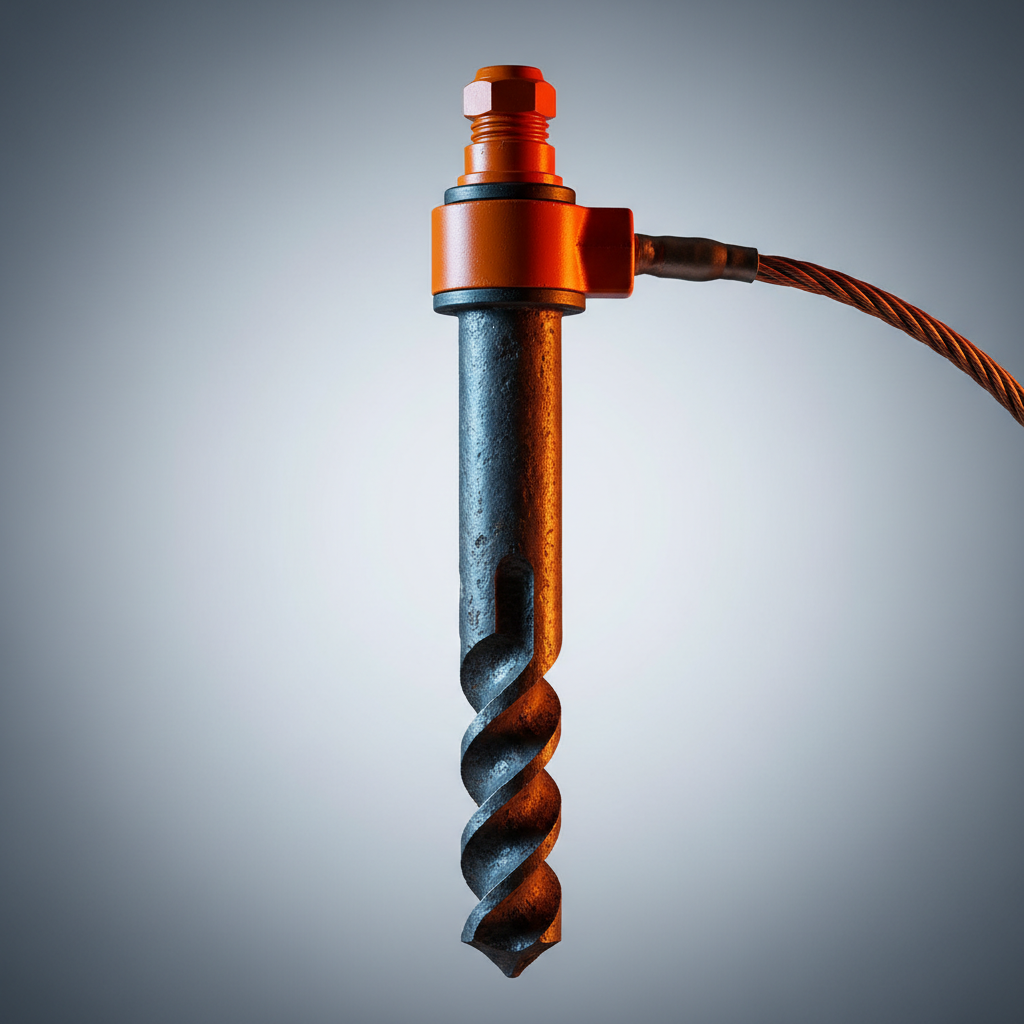
What are Earth Rods and Why are They Important?
Earth rods, also known as grounding rods, are conductive rods buried in the earth to provide a low-resistance path for electrical currents to flow in the event of a fault. This protects people, equipment, and structures from electrical hazards. They are essential components of grounding systems in residential, commercial, and industrial settings. The primary function is to divert unwanted electrical energy safely into the ground. Different materials are used in earth rod construction, with copper and galvanized steel being the most common. Proper installation, including the connection method, is vital to ensure the rod’s effectiveness.
Key Benefits of Earth Rods: Provides a safe path for fault currents, Protects equipment from damage, Prevents electrical shocks, Enhances the effectiveness of surge protection devices.
Understanding the SDS Connection for Earth Rods
The SDS (Slot and Drive System) connection is a modern and highly effective method for joining earth rods together and connecting them to the grounding conductor. Unlike traditional methods like clamping, SDS utilizes a specialized coupling that allows rods to be driven directly into the ground, creating a robust and low-resistance connection. The system consists of a driver rod and receiver rods which interlock, ensuring a secure mechanical and electrical bond. This method reduces the risk of corrosion and loosening over time, which can compromise the grounding system’s integrity. Bilopowtel’s earth rods utilize this advanced connection system.
SDS Connection Benefits:
• Creates a gas-tight and moisture-resistant connection.
• Reduces connection resistance compared to clamping methods.
• Simplifies installation and reduces labor costs.
• Increases the long-term reliability of the grounding system.
SDS Earth Rods vs. Traditional Clamped Earth Rods: A Comparison
Traditional earth rod connections often rely on clamps to secure the rods together and to the grounding conductor. While functional, these clamps are susceptible to corrosion, loosening due to ground movement, and can contribute to increased resistance at the connection point. SDS connections offer a significant improvement in these areas. The SDS system’s tight mechanical bond and resistance to corrosion ensure a long-lasting and reliable grounding solution. This is particularly important in challenging soil conditions or areas prone to seismic activity.
Applications of Earth Rods with SDS Connections
Earth rods utilizing SDS connections are ideal for a wide variety of applications, including: lightning protection systems, electrical substations, telecommunication towers, water treatment facilities, and residential grounding. Their reliability and low resistance make them suitable for critical infrastructure where grounding performance is paramount. The ease of installation also makes them a cost-effective solution for large-scale projects.
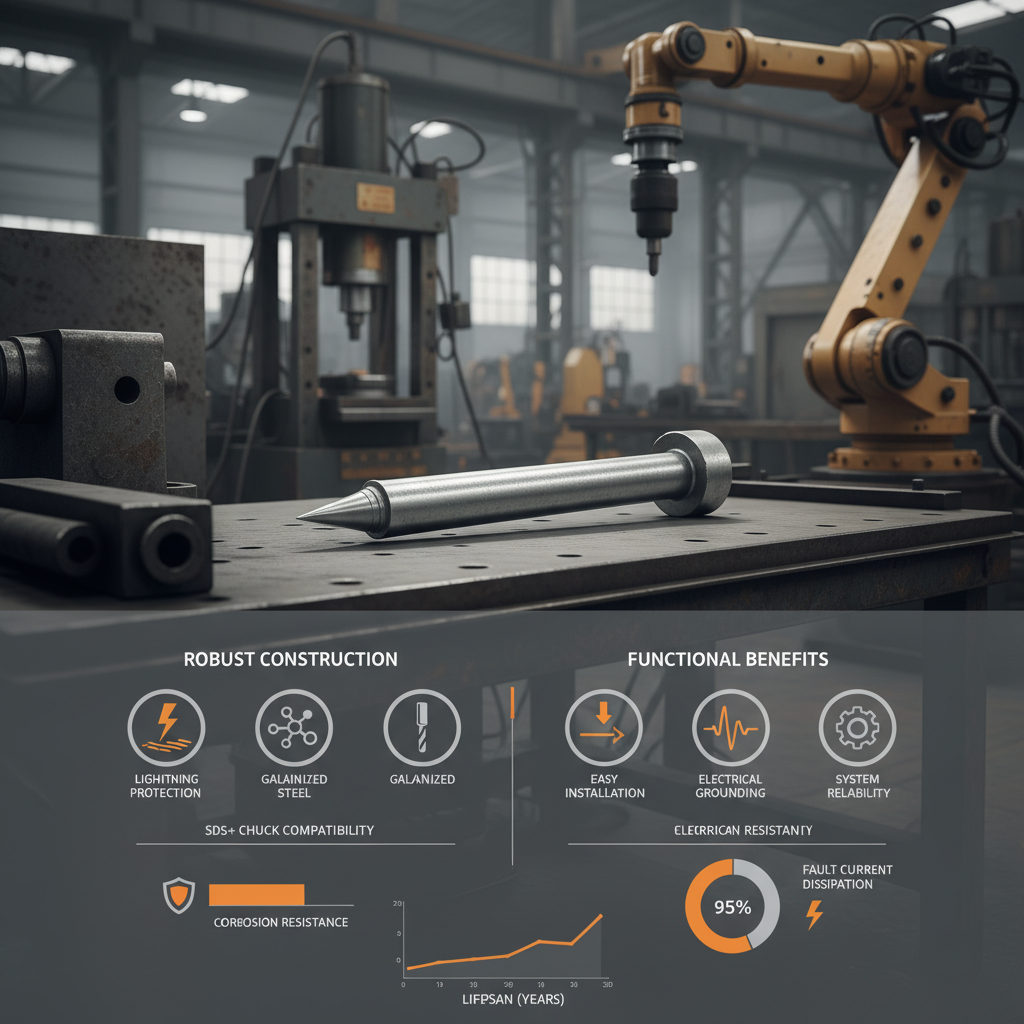
Earth Rod Specifications and Selection Considerations
Choosing the right earth rod requires considering factors such as soil resistivity, fault current levels, and installation depth. Bilopowtel offers a range of earth rods with various lengths, diameters, and materials to meet different application needs. Here's a quick overview of key specifications:
Conclusion: Ensuring a Reliable Ground with SDS Earth Rods
Investing in high-quality earth rods with SDS connections is a crucial step in creating a safe and reliable grounding system. The benefits of improved connection integrity, reduced resistance, and simplified installation make SDS a superior choice over traditional methods. Bilopowtel provides a comprehensive range of earth rods designed to meet the demands of various applications. Prioritizing grounding is a vital part of any electrical safety strategy.
Frequently Asked Questions (FAQs)
What is soil resistivity and how does it affect earth rod selection?
Soil resistivity is a measure of how strongly the soil opposes the flow of electrical current. High soil resistivity means the soil is a poor conductor, requiring longer or multiple earth rods to achieve a low-resistance ground. Lower resistivity soil requires shorter rods. Soil resistivity testing is recommended before installing an earth rod system to determine the optimal rod length and spacing. Factors such as moisture content, temperature, and mineral composition influence soil resistivity. Accurate soil resistivity measurements are crucial for designing an effective grounding system.
How deep should an earth rod be driven?
The recommended depth for an earth rod varies depending on soil conditions and local regulations. Generally, a minimum depth of 2.4 meters (8 feet) is recommended to reach consistently moist soil. In areas with rocky or dry soil, deeper installation may be necessary. The goal is to reach a depth where soil moisture is present year-round, ensuring a reliable connection to the earth. Always consult local electrical codes and regulations for specific requirements.
Can multiple earth rods be connected to a single grounding conductor?
Yes, multiple earth rods can and often should be connected to a single grounding conductor to reduce overall resistance. This is particularly important in areas with high soil resistivity. When connecting multiple rods, use SDS connectors for a secure and low-resistance connection. Ensure the rods are spaced at least the length of one rod apart to avoid interference. Connecting multiple rods provides redundancy and improves the reliability of the grounding system.
Latest news
Precision Lifting and Pulling with the Lever Block 0.5 Ton Guide
NewsApr.16,2026
Precision Engineering Guide for High Performance Jet Lever
NewsApr.16,2026
Ultimate Guide to Choosing the Professional Industrial hoist lever
NewsApr.16,2026
Industrial Hoist Lever Chain Guide for Heavy Lifting and Rigging
NewsApr.16,2026
Industrial Lever Hoist Guide for Efficient Lifting and Pulling
NewsApr.16,2026
Ultimate Guide to Hand Ratchet Lift for Heavy Industrial Lifting
NewsApr.16,2026
- CONTACT
- ADDRESS: 188, Fengshou Road, Shijiazhuang. China
- EMAlL: info@bilopowtel.com
- PHONE: 0086-311-88862036
- WHATSAPP: 0086-152-26563165


