



Apr . 16, 2026 01:45 Back to list
Ultimate Guide to Hand Ratchet Lift for Heavy Industrial Lifting
Mastering Heavy Lifting: The Ultimate Guide to the Hand Ratchet Lift
In the world of industrial maintenance, automotive repair, and construction, efficiency and safety are non-negotiable. The hand ratchet lift emerges as an indispensable tool, providing a mechanical advantage that allows operators to lift heavy loads with minimal physical exertion. Whether you are positioning a heavy engine or adjusting industrial machinery, understanding how to leverage the right equipment can prevent workplace injuries and significantly speed up project timelines. In this comprehensive guide, we will explore the mechanics, benefits, and selection criteria for these powerful lifting tools.
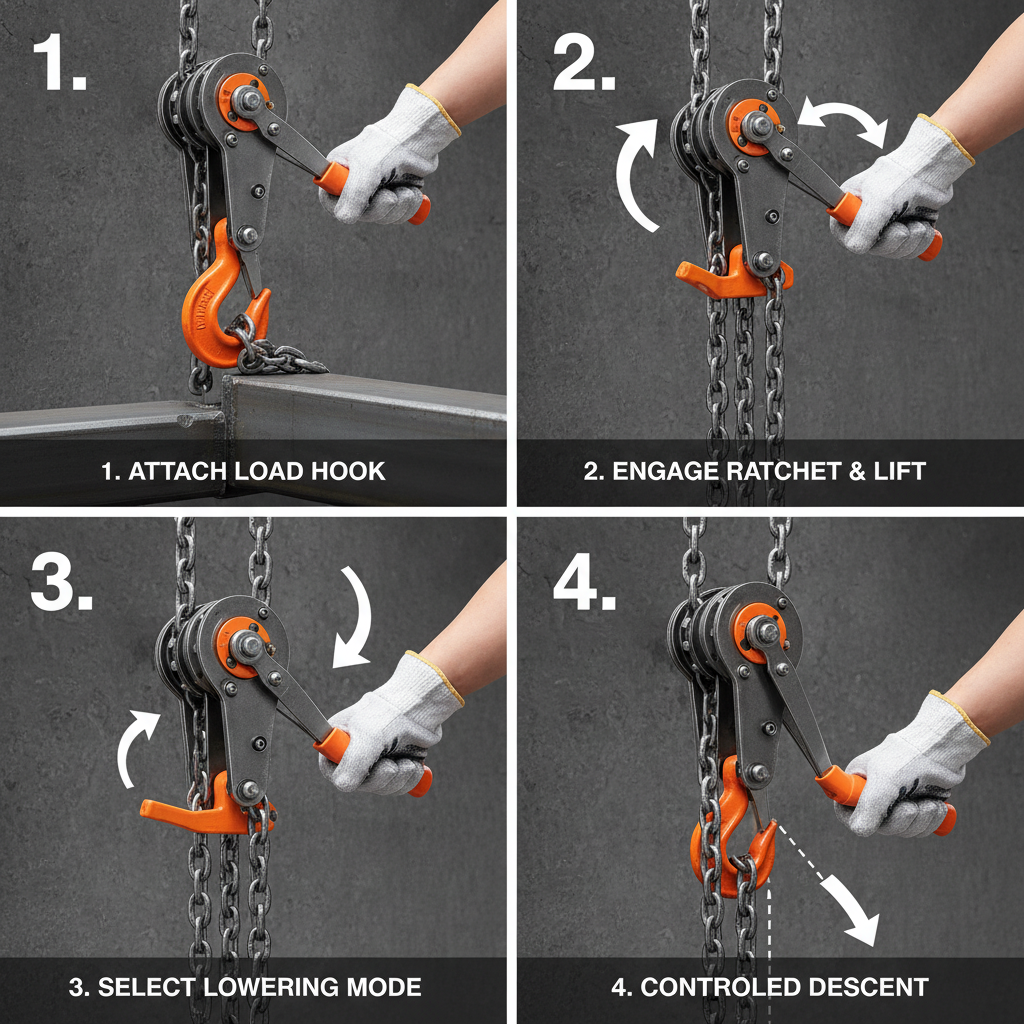
How a Hand Ratchet Lift Works: The Mechanics of Leverage
At its core, a hand ratchet lift utilizes a ratcheting mechanism combined with a high-strength chain or cable. The "ratchet" part consists of a gear and a pawl that allow motion in one direction while preventing it from slipping backward. This ensures that once a load is lifted, it remains securely in place without requiring the operator to hold the weight. By converting a small amount of force applied over a longer distance (the handle stroke) into a massive amount of force over a shorter distance, these tools make lifting tons of equipment a manageable task for a single person.
Pro Tip: Always ensure the pawl is fully engaged before releasing the handle to prevent accidental load drops, ensuring maximum operational safety.
Top Advantages of Using a Professional Hand Ratchet Lift
Unlike hydraulic jacks, which can be bulky and prone to seal leaks, the hand ratchet lift offers a unique set of advantages. First is its portability; most models are compact enough to be carried by hand to remote areas of a job site. Second is the precision; the incremental nature of the ratchet allows for millimetric adjustments, which is critical when aligning heavy components. Finally, the lack of electrical requirements makes it ideal for hazardous environments where sparks from power tools could be dangerous.
Key Benefits at a Glance:
• No Power Required: Fully manual operation for remote sites.
• High Safety Factor: Mechanical locking prevents sudden descent.
• Compact Design: Easy storage and rapid deployment.
• Low Maintenance: Simple lubrication compared to complex hydraulics.
Hand Ratchet Lift vs. Hydraulic Lifts: A Technical Comparison
Choosing between a mechanical hand ratchet lift and a hydraulic system depends on your specific application. While hydraulic lifts are often faster for very high loads, they lack the precise, incremental control and the "fail-safe" mechanical lock of a ratchet system. For tasks involving tensioning, pulling, or precision positioning, the ratchet lift is the superior choice due to its reliability and simplicity.
Common Applications for the Hand Ratchet Lift
The versatility of the hand ratchet lift makes it a staple across various sectors. In automotive shops, it is used for lifting transmissions or suspending components for inspection. In construction, it helps in tensioning cables or lifting beams into place. Even in shipping and logistics, these tools are used to secure heavy cargo on decks or trailers. Because they can be used both for lifting (vertical) and pulling (horizontal), they function as a multi-purpose tool for any workshop.
Technical Specifications and Load Capacities
When purchasing a hand ratchet lift, it is critical to match the load capacity to your heaviest expected lift. Overloading a mechanical lift can lead to gear failure or chain snapping, posing a severe safety risk. High-quality lifts are typically made from forged steel and alloy components to ensure longevity. Below is a typical specification table for industrial-grade ratchet lifts:
Safety and Maintenance Best Practices
To ensure your hand ratchet lift remains a reliable asset, a strict maintenance schedule is required. Inspection should be the first priority; check for worn links in the chain and cracks in the handle. Lubrication of the gear teeth and pawl reduces friction and prevents corrosion, especially in damp environments. Finally, always use a secondary safety support (like jack stands) when working underneath a load that has been lifted by a ratchet, as no tool should be the sole point of failure in a high-risk environment.
Conclusion: Efficiency Through Mechanical Advantage
The hand ratchet lift is more than just a piece of hardware; it is a force multiplier that enhances productivity and safety in demanding environments. By combining durability with precise control, it solves the challenges of lifting and tensioning where power tools are impractical. Whether you are upgrading your workshop or equipping a field team, investing in a professional-grade ratchet lift ensures that you can handle the heaviest tasks with confidence and ease.
Frequently Asked Questions (FAQs)
What is the difference between a ratchet lift and a come-along?
While both use a ratcheting mechanism, a "come-along" is primarily designed for horizontal pulling and tensioning, whereas a hand ratchet lift is engineered for vertical lifting and positioning. Ratchet lifts typically feature reinforced hooks and safety locks specifically designed to prevent load descent under gravity. While some overlap exists, always use the tool designed for the specific direction of force required for your task to ensure safety.
How often should I lubricate my hand ratchet lift?
For tools used in clean, indoor environments, a quarterly lubrication of the gear and pawl is usually sufficient. However, if the lift is used outdoors or in salty/humid environments, weekly or monthly lubrication is recommended to prevent rust and ensure smooth operation. Use a high-quality industrial grease that adheres well to metal surfaces and resists runoff during use.
Can I use a hand ratchet lift for permanent suspension?
No, a hand ratchet lift is intended for temporary lifting and positioning. It should not be used as a permanent suspension system. Once the load is lifted to the desired height, it should be secured with permanent fasteners, bolts, or heavy-duty stands. Prolonged suspension can put unnecessary stress on the pawl and chain, increasing the risk of mechanical failure over time.
What should I do if the handle becomes difficult to pump?
If the handle becomes difficult to operate, first stop the lift immediately and lower the load. This is often a sign of either lack of lubrication or a foreign object lodged in the gears. Inspect the mechanism for debris and apply grease. If the problem persists, it may indicate that the load exceeds the rated capacity of the tool or that the internal gears are worn. In such cases, refer to the technical support at Bilopowtel for replacement parts or a professional inspection.
Latest news
Precision Lifting and Pulling with the Lever Block 0.5 Ton Guide
NewsApr.16,2026
Precision Engineering Guide for High Performance Jet Lever
NewsApr.16,2026
Ultimate Guide to Choosing the Professional Industrial hoist lever
NewsApr.16,2026
Industrial Hoist Lever Chain Guide for Heavy Lifting and Rigging
NewsApr.16,2026
Industrial Lever Hoist Guide for Efficient Lifting and Pulling
NewsApr.16,2026
Ultimate Guide to Hand Ratchet Lift for Heavy Industrial Lifting
NewsApr.16,2026
- CONTACT
- ADDRESS: 188, Fengshou Road, Shijiazhuang. China
- EMAlL: info@bilopowtel.com
- PHONE: 0086-311-88862036
- WHATSAPP: 0086-152-26563165


