



Apr . 09, 2026 01:45 Back to list
Industrial Guide to Choosing Chain Block and Lever Hoist Tools
Mastering Material Handling: The Ultimate Guide to Chain Block and Lever Hoist
In the demanding world of industrial lifting and rigging, precision and safety are non-negotiable. Whether you are managing a construction site, a busy warehouse, or a maritime shipyard, having the right equipment can mean the difference between seamless productivity and costly downtime. The chain block and lever hoist serve as the backbone of manual lifting operations, providing the mechanical advantage needed to move heavy loads with minimal effort. Understanding the nuances between these two essential tools is critical for optimizing your workflow and ensuring operator safety. In this comprehensive guide, we will explore their mechanics, key differences, and how to choose the perfect lifting solution for your specific industrial needs.
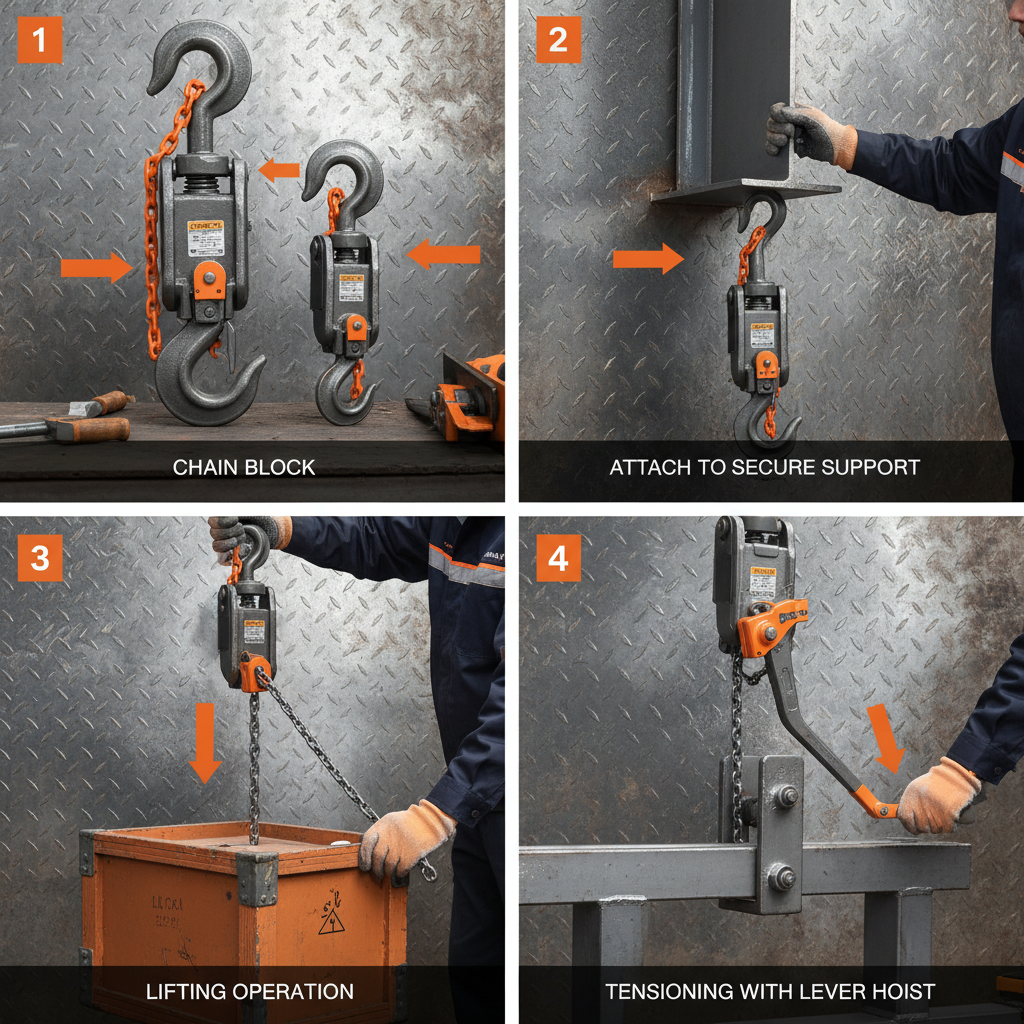
Understanding the Mechanics of a Chain Block
A chain block, often referred to as a chain hoist, is designed primarily for vertical lifting. It utilizes a gear-and-chain mechanism that allows a user to lift incredibly heavy loads by pulling a hand chain. The internal braking system is a critical safety feature, ensuring that the load remains suspended securely at any height without slipping. These devices are ideal for scenarios where a load needs to be raised from the ground to a higher platform or suspended for maintenance. When you invest in a high-quality chain block and lever hoist system, you are prioritizing stability and high load capacity for your vertical operations.
Pro Tip: Always ensure the chain block is securely anchored to a structural beam or a certified hoist ring to prevent tipping or structural failure during a lift.
The Versatility of the Lever Hoist
Unlike its vertical-focused counterpart, the lever hoist is a multi-directional powerhouse. Operating via a lever handle, it allows for lifting, pulling, and tensioning. This makes it indispensable for pulling machinery into place, tensioning cables, or lifting loads in confined spaces where a traditional chain block cannot fit. The compact design of the chain block and lever hoist range allows operators to apply force horizontally, providing unmatched flexibility in rigging and assembly tasks.
Comparing Chain Block and Lever Hoist: Which One to Choose?
Choosing between a chain block and a lever hoist depends entirely on the direction of the force and the nature of the load. While chain blocks excel in high-capacity vertical lifts, lever hoists offer the agility needed for positioning and tensioning. To help you make an informed decision, we have compiled a detailed comparison of the two tools found in the chain block and lever hoist category.
Industrial Applications for Chain Block and Lever Hoist
The application of these tools spans across nearly every heavy industry. In automotive assembly, lever hoists are used to align chassis components with precision. In power plant maintenance, chain blocks are essential for replacing massive turbine components. Even in the marine industry, the ability to tension cables and lift heavy anchors makes these tools indispensable. By utilizing a professional chain block and lever hoist from a trusted supplier, companies can ensure that their operations meet international safety standards while maximizing efficiency.
Common Industry Uses:
• Construction: Steel beam positioning and structural lifting.
• Mining: Moving heavy equipment in underground shafts.
• Warehousing: Lifting crates for high-shelf storage.
• Shipyards: Tensioning hulls and lifting cargo.
Technical Specifications and Capacity Guide
When selecting a hoist, you must consider the Safe Working Load (SWL). Overloading a hoist not only damages the equipment but poses a severe safety risk. Most professional-grade models are manufactured using high-alloy steel and heat-treated components to withstand extreme stress. Below are the typical technical specifications you will encounter when browsing for a chain block and lever hoist.
Essential Maintenance for Maximum Lifespan
To ensure the long-term reliability of your chain block and lever hoist, a strict maintenance schedule is required. Lubrication is the most vital step; chains should be kept well-greased to reduce friction and wear. Additionally, regular inspections for "chain stretch" or twisted links can prevent catastrophic failure. Operators should always check the hooks for any signs of opening or deformation. A well-maintained hoist not only lasts longer but also provides a safer working environment for everyone on the floor.
Conclusion: Elevating Your Industrial Efficiency
Selecting the right chain block and lever hoist is an investment in both productivity and safety. While chain blocks provide the raw power for vertical lifting, lever hoists offer the versatility required for complex rigging. By understanding your specific load requirements, adhering to technical specifications, and implementing a rigorous maintenance routine, you can optimize your material handling processes. Trust in professional equipment to ensure your projects are completed safely, efficiently, and on time.
Frequently Asked Questions (FAQs)
Can I use a lever hoist for permanent load suspension?
No, lever hoists are primarily designed for temporary lifting, pulling, and positioning. While they have braking systems to hold a load, they are not intended for long-term suspension. For permanent or long-term lifting needs, a dedicated chain block or a fixed hoist system is much more appropriate and safer. Always refer to the manufacturer's manual for specific load-holding durations and safety ratings to avoid equipment fatigue.
How often should I inspect my chain block and lever hoist?
Visual inspections should be performed before every single use. You should check for any obvious chain damage, hook deformation, or leaking lubricant. More comprehensive professional inspections should occur every 6 to 12 months, depending on the intensity of use. These detailed checks include measuring chain stretch and testing the brake efficiency under load to ensure the equipment remains compliant with safety regulations.
What is the difference between Grade 80 and Grade 100 chain?
The "Grade" refers to the strength of the alloy steel used in the chain. Grade 100 chain has a higher tensile strength than Grade 80, meaning it can support more weight for the same diameter or allow for a thinner, lighter chain to support the same load as Grade 80. Most high-end chain block and lever hoist units use Grade 80 as a standard, but Grade 100 is preferred for extreme heavy-duty applications where minimizing weight is a priority.
How do I determine the correct capacity for my project?
First, calculate the total weight of the load, including any rigging hardware (slings, shackles). Always apply a safety margin—it is recommended to choose a hoist with a capacity 20% higher than your maximum expected load. For example, if your load is 4 tons, a 5-ton hoist is a safer and more durable choice. This prevents the equipment from operating at its absolute limit, which reduces wear and tear and increases the safety factor for the operator.
Latest news
Precision Lifting and Pulling with the Lever Block 0.5 Ton Guide
NewsApr.16,2026
Precision Engineering Guide for High Performance Jet Lever
NewsApr.16,2026
Ultimate Guide to Choosing the Professional Industrial hoist lever
NewsApr.16,2026
Industrial Hoist Lever Chain Guide for Heavy Lifting and Rigging
NewsApr.16,2026
Industrial Lever Hoist Guide for Efficient Lifting and Pulling
NewsApr.16,2026
Ultimate Guide to Hand Ratchet Lift for Heavy Industrial Lifting
NewsApr.16,2026
- CONTACT
- ADDRESS: 188, Fengshou Road, Shijiazhuang. China
- EMAlL: info@bilopowtel.com
- PHONE: 0086-311-88862036
- WHATSAPP: 0086-152-26563165


