



Mar . 05, 2026 01:45 Back to list
Comprehensive Guide to Sectional Ground Rods for Effective Grounding Systems
Understanding Sectional Ground Rods: A Comprehensive Guide
Sectional ground rods are a critical component in effective grounding systems, particularly in environments requiring robust protection against electrical surges and faults. These rods, unlike solid rods, are constructed in sections, offering flexibility and ease of installation, especially in areas with limited space or difficult ground conditions. At Bilopowtel, we specialize in providing high-quality sectional ground rods engineered for superior performance and longevity. This article will delve into the benefits, applications, installation best practices, and material considerations for sectional ground rods, equipping you with the knowledge to make informed decisions for your grounding needs.
What are Sectional Ground Rods?
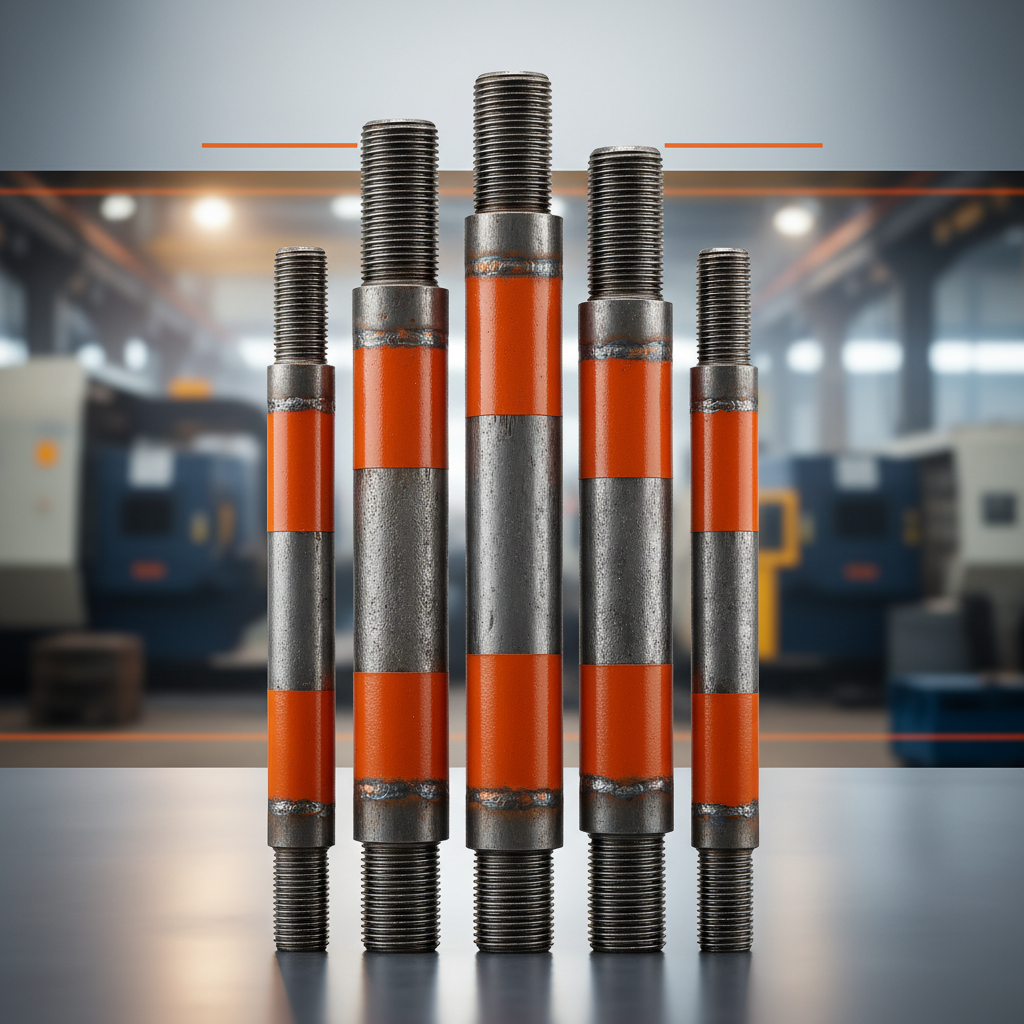
Sectional ground rods are grounding conductors comprised of multiple segments joined together to achieve the desired length. They are typically made of copper-bonded steel or solid copper. This modular design allows for easier handling, transportation, and installation compared to single, long solid rods. They are particularly useful when dealing with challenging soil conditions, such as rocky terrain or high soil resistivity, as they can be driven in stages. The coupling mechanisms between sections ensure a low-resistance electrical connection, maintaining the effectiveness of the grounding system. At Bilopowtel, we offer a range of sectional ground rods to meet various project requirements.
Key Benefits: Ease of installation, adaptability to various soil conditions, cost-effectiveness, improved grounding performance, and reduced handling difficulties.
Applications of Sectional Ground Rods
Sectional ground rods find widespread application across numerous industries. Telecommunication towers rely heavily on effective grounding to protect sensitive equipment from lightning strikes. Renewable energy installations, such as solar farms and wind turbines, require robust grounding systems to ensure safety and prevent damage. Furthermore, they are essential for protecting electrical substations, data centers, and industrial facilities. They’re also used in residential applications where grounding is crucial for safety. The ability to customize length makes them adaptable to nearly any grounding requirement. Bilopowtel's sectional ground rods are designed to meet the demands of these diverse applications.
Common Applications:
• Telecommunication Towers
• Renewable Energy Systems (Solar & Wind)
• Electrical Substations
• Data Centers
• Industrial Facilities
• Residential Grounding
Sectional Ground Rods: Copper-Bonded Steel vs. Solid Copper
Choosing between copper-bonded steel and solid copper sectional ground rods depends on specific project requirements and budget constraints. Copper-bonded steel rods offer a cost-effective solution while still providing excellent conductivity. The steel core provides strength, while the copper bonding ensures a low-resistance path to ground. Solid copper rods, on the other hand, offer superior conductivity and corrosion resistance, making them ideal for highly corrosive environments. However, they are significantly more expensive. Consider the soil composition, potential for corrosion, and the criticality of the grounding system when making your selection.
Installation Best Practices for Sectional Ground Rods
Proper installation is paramount for ensuring the effectiveness of your grounding system. Always adhere to local electrical codes and regulations. Begin by selecting a suitable location, away from underground utilities. Drive the sections of the ground rod into the earth using a grounding rod driver, ensuring each section is securely coupled to the next. Leave a small portion of the uppermost section exposed for connection to the grounding conductor. Finally, verify the ground resistance using a ground resistance tester. Bilopowtel provides detailed installation guides and technical support to assist you with your project.
Sectional Ground Rod Specifications at Bilopowtel
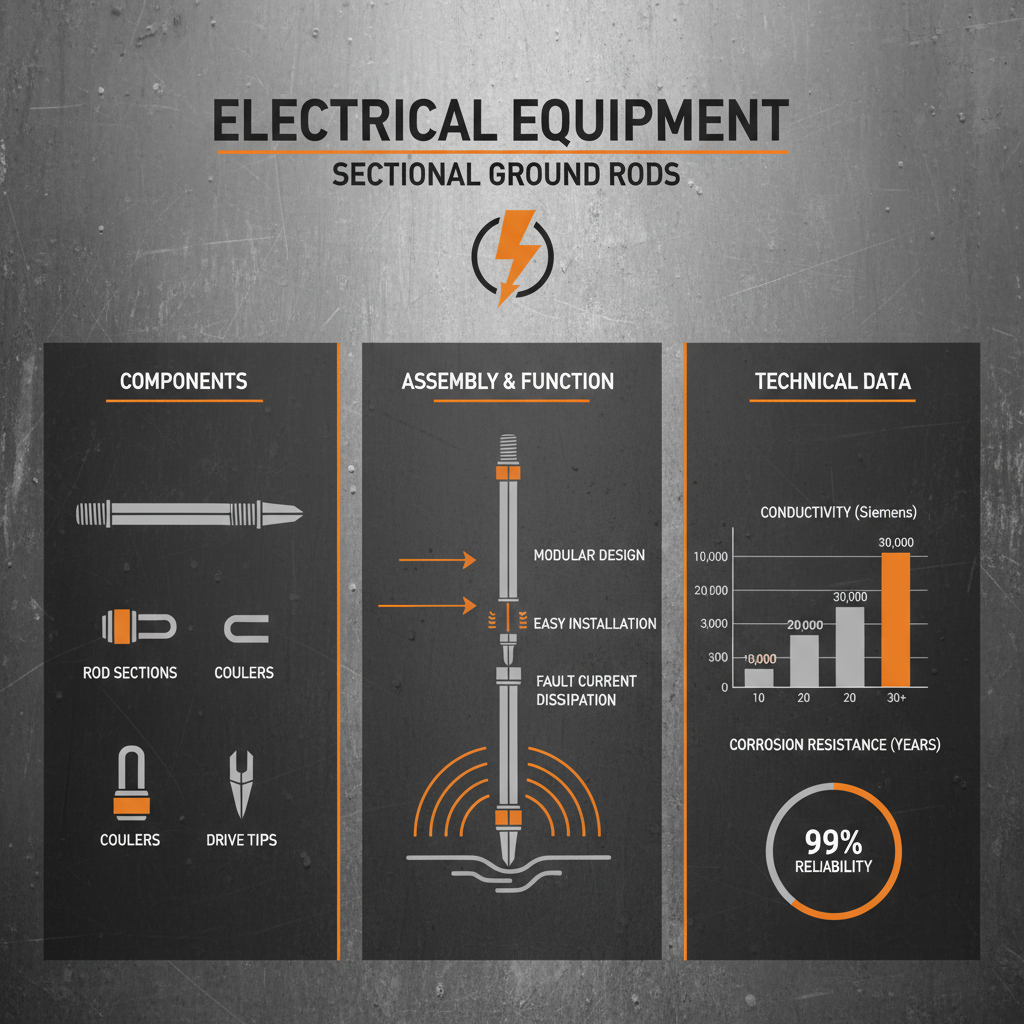
At Bilopowtel, we offer a comprehensive range of sectional ground rods to meet diverse needs. Our rods are available in various lengths, diameters, and materials. We provide both copper-bonded steel and solid copper options. Below is a table showcasing some of our commonly available specifications:
Conclusion: Choosing the Right Sectional Ground Rods for Optimal Safety
Investing in high-quality sectional ground rods from a reputable supplier like Bilopowtel is essential for protecting your equipment and ensuring the safety of personnel. By understanding the different materials, applications, and installation best practices, you can create a robust and reliable grounding system. Contact us today to discuss your specific needs and find the perfect solution for your project.
Frequently Asked Questions (FAQs)
What is the recommended depth for installing sectional ground rods?
The recommended depth for installing sectional ground rods varies depending on local codes, soil conditions, and the specific application. However, a general guideline is to bury at least 8 feet (2.4 meters) of the ground rod in the earth. In areas with shallow bedrock or frozen ground, deeper installation may be necessary. It's also important to consider the possibility of seasonal ground movement and frost lines when determining the appropriate depth. Consulting with a qualified electrical engineer is always recommended to ensure compliance with local regulations.
How do I test the effectiveness of my ground rod installation?
The effectiveness of your ground rod installation should be tested using a ground resistance tester. This instrument measures the resistance between the ground rod and a remote ground stake. A low resistance reading indicates a good connection to ground, while a high reading suggests a problem. Acceptable resistance values vary depending on local codes and the sensitivity of the equipment being protected, but generally, a resistance of 5 ohms or less is desired. Bilopowtel offers ground resistance testing services to ensure your grounding system is functioning correctly.
What are the common causes of high ground resistance?
Several factors can contribute to high ground resistance. Dry soil conditions significantly increase resistance, as water is essential for conductivity. Rocky or sandy soil also tends to have higher resistance than clay-rich soil. Poor connections between ground rod sections or to the grounding conductor can also cause problems. Corrosion of the ground rod or conductor can increase resistance over time. Regularly inspect your grounding system and address any issues promptly to maintain optimal performance.
Latest news
Precision Lifting and Pulling with the Lever Block 0.5 Ton Guide
NewsApr.16,2026
Precision Engineering Guide for High Performance Jet Lever
NewsApr.16,2026
Ultimate Guide to Choosing the Professional Industrial hoist lever
NewsApr.16,2026
Industrial Hoist Lever Chain Guide for Heavy Lifting and Rigging
NewsApr.16,2026
Industrial Lever Hoist Guide for Efficient Lifting and Pulling
NewsApr.16,2026
Ultimate Guide to Hand Ratchet Lift for Heavy Industrial Lifting
NewsApr.16,2026
- CONTACT
- ADDRESS: 188, Fengshou Road, Shijiazhuang. China
- EMAlL: info@bilopowtel.com
- PHONE: 0086-311-88862036
- WHATSAPP: 0086-152-26563165


