



Mar . 04, 2026 01:45 Back to list
Comprehensive Guide to Choosing a Ground Rod for Lightning Protection Systems
Choosing the Right Ground Rod for Lightning Protection
Protecting your property from lightning strikes is paramount, and a crucial component of any lightning protection system is the ground rod. These rods provide a low-resistance path for lightning current to safely dissipate into the earth. This article provides a comprehensive guide to understanding ground rods, their types, installation, and selection criteria to ensure optimal lightning protection. Investing in the right ground rod system significantly mitigates the risk of damage and ensures safety during thunderstorms.
Understanding the Importance of Ground Rods
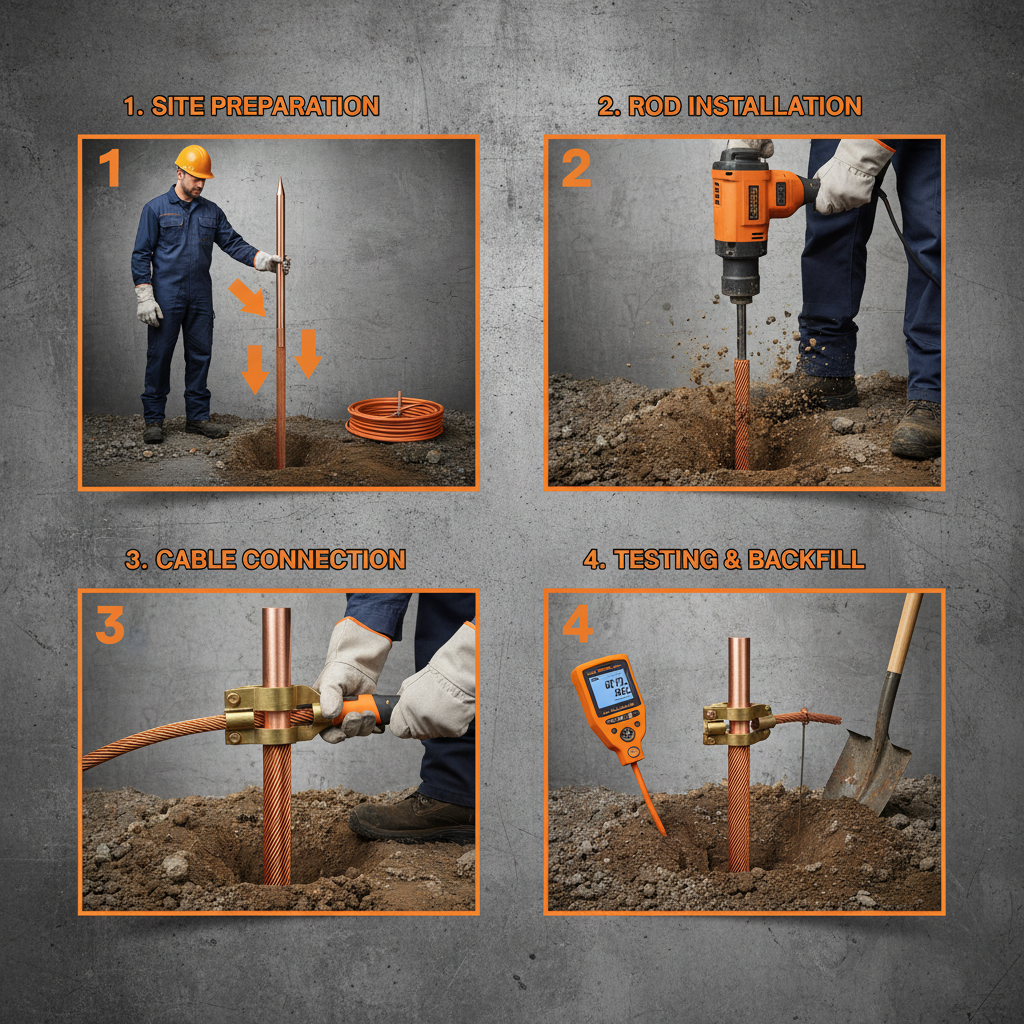
Ground rods are essential for diverting lightning current away from structures and sensitive electronic equipment. When lightning strikes, it seeks the path of least resistance to the ground. A properly installed ground rod provides this path, preventing potentially catastrophic damage to buildings, electrical systems, and even posing a life-threatening risk to occupants. The effectiveness of a ground rod depends on its material, length, diameter, and the soil's conductivity. A poorly grounded system can be worse than no system at all, potentially creating more dangerous pathways for lightning.
Key Takeaway: A properly installed ground rod is a critical component of a comprehensive lightning protection system, safeguarding lives and property.
Types of Ground Rods for Lightning Protection
Several types of ground rods are available, each suited for different soil conditions and applications. The most common include:
- Copper-Clad Steel Ground Rods: These rods consist of a steel core coated with copper, offering a balance of strength and conductivity.
- Solid Copper Ground Rods: These provide excellent conductivity but are typically more expensive and less durable than copper-clad steel rods.
- Stainless Steel Ground Rods: Highly corrosion-resistant, making them suitable for challenging soil environments.
- Galvanized Steel Ground Rods: Less expensive, but less conductive and more prone to corrosion than copper or stainless steel.
Choosing the right type depends on your budget, soil conditions, and the level of protection required. Bilo Powtel offers a range of ground rods tailored to different needs.
Ground Rod Material Comparison:
• Copper-Clad Steel: Excellent balance of cost, strength, and conductivity.
• Solid Copper: Superior conductivity, but expensive and less durable.
• Stainless Steel: Highly corrosion-resistant, ideal for harsh environments.
• Galvanized Steel: Most affordable, but less conductive and corrosion-resistant.
Ground Rod Size and Installation Depth
The size (diameter and length) of the ground rod directly impacts its effectiveness. Generally, longer and thicker rods provide lower resistance. Installation depth is also crucial; rods should be driven deep enough to reach consistently moist soil. The National Electrical Code (NEC) recommends using at least an 8-foot ground rod, and multiple rods should be spaced at least 6 feet apart if used in parallel. The conductivity of the soil is a major factor - sandy soil is a poor conductor compared to clay.
Selecting the Best Ground Rod for Your Needs
Choosing the right ground rod requires careful consideration of several factors. Start by assessing your soil type. If you have sandy or rocky soil, you may need to use longer or multiple rods to achieve adequate grounding. Consider the size and type of structure you are protecting, as larger structures require more robust grounding systems. Always consult local electrical codes and regulations for specific requirements. Professional installation is highly recommended to ensure proper grounding and compliance with safety standards.
Maintaining Your Grounding System
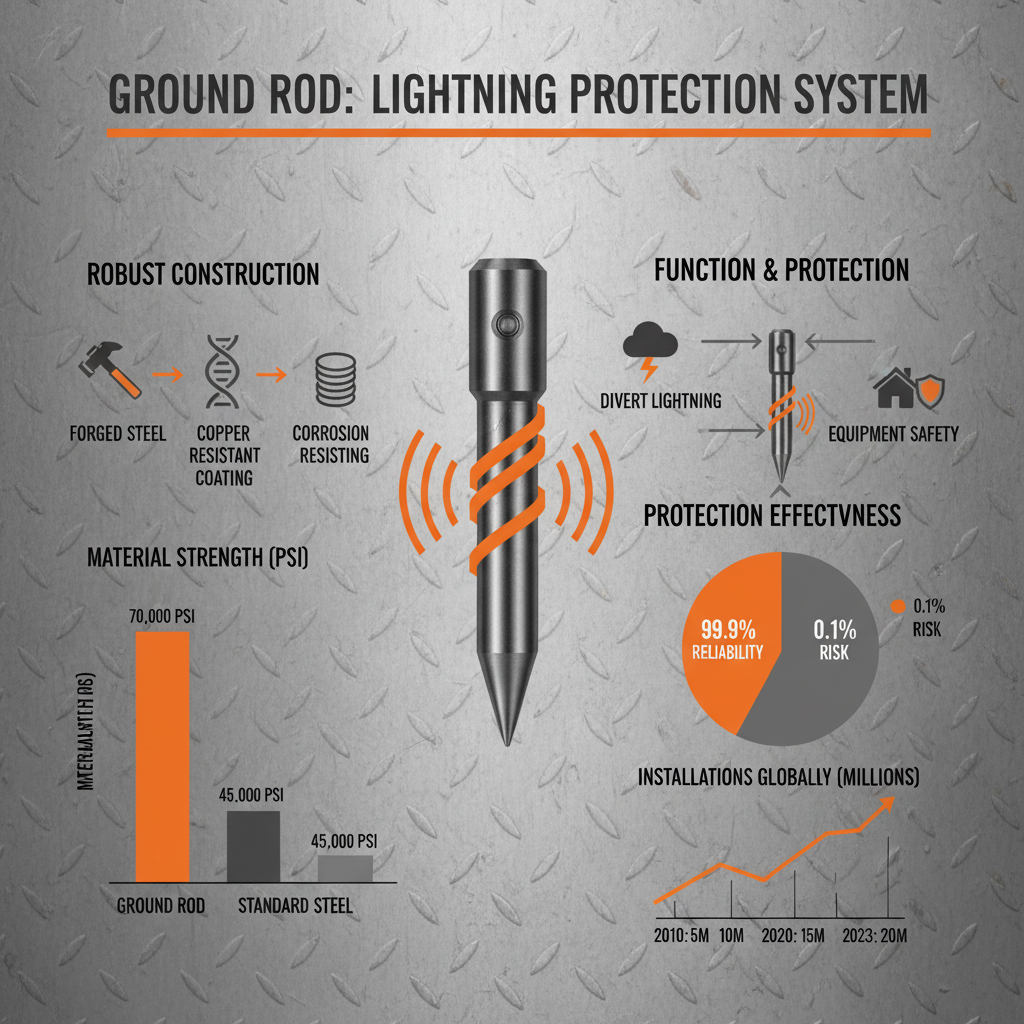
Once installed, your grounding system requires periodic maintenance. Inspect ground rods for corrosion and ensure connections are tight. Soil conditions can change over time, so it’s a good practice to periodically test the grounding resistance to verify its effectiveness. A qualified electrician can perform these tests and make any necessary adjustments. Regularly checking your grounding system ensures continuous protection against lightning strikes.
Conclusion: Investing in Reliable Lightning Protection
Investing in a high-quality ground rod and a properly installed lightning protection system is a crucial step in safeguarding your property and ensuring the safety of those within it. Bilo Powtel provides reliable and effective ground rods and solutions for all your lightning protection needs. Don't leave your property vulnerable – prioritize safety with a comprehensive lightning protection plan.
Frequently Asked Questions (FAQs)
How many ground rods do I need?
The number of ground rods required depends on the size of the structure, soil resistivity, and local electrical codes. The NEC recommends using at least one ground rod, but larger structures or areas with high soil resistivity may require multiple rods interconnected to form a ground grid. Generally, rods should be spaced at least 6 feet apart. A professional lightning protection system designer can accurately assess your needs and recommend the appropriate number of ground rods.
How do I test the grounding resistance of my system?
Grounding resistance is typically tested using a three-point method with a specialized ground resistance tester. This involves driving two auxiliary ground rods into the earth at a distance from the ground rod being tested and measuring the resistance between them. Testing should be performed by a qualified electrician or lightning protection system installer. Acceptable resistance values vary depending on local codes and the specific application, but generally, a resistance of 25 ohms or less is desired.
What is the best depth to drive ground rods?
The NEC recommends driving ground rods to a minimum depth of 8 feet. This ensures they reach consistently moist soil, providing a reliable path for lightning current. However, in areas with shallow bedrock or other obstructions, it may not be possible to achieve this depth. In such cases, alternative grounding methods, such as ground rings or horizontal ground rods, may be necessary. Consult with a qualified professional to determine the optimal grounding solution for your site.
Can I install a ground rod myself?
While it is technically possible to install a ground rod yourself, it is strongly recommended to hire a qualified electrician or lightning protection system installer. Proper installation is critical to ensure the effectiveness of the grounding system and to avoid potential hazards. Incorrectly installed ground rods can create more dangerous pathways for lightning, potentially exacerbating damage and increasing the risk of injury. A professional will ensure the system meets all applicable codes and standards.
Latest news
Precision Lifting and Pulling with the Lever Block 0.5 Ton Guide
NewsApr.16,2026
Precision Engineering Guide for High Performance Jet Lever
NewsApr.16,2026
Ultimate Guide to Choosing the Professional Industrial hoist lever
NewsApr.16,2026
Industrial Hoist Lever Chain Guide for Heavy Lifting and Rigging
NewsApr.16,2026
Industrial Lever Hoist Guide for Efficient Lifting and Pulling
NewsApr.16,2026
Ultimate Guide to Hand Ratchet Lift for Heavy Industrial Lifting
NewsApr.16,2026
- CONTACT
- ADDRESS: 188, Fengshou Road, Shijiazhuang. China
- EMAlL: info@bilopowtel.com
- PHONE: 0086-311-88862036
- WHATSAPP: 0086-152-26563165


