



Mar . 10, 2026 01:45 Back to list
Comprehensive Guide to Electric Earth Rods for Enhanced Electrical Safety
Understanding Electric Earth Rods: A Comprehensive Guide
Electric earth rods, also known as grounding rods, are vital components in electrical safety systems. They provide a path for fault current to flow safely to the earth, minimizing the risk of electric shock and damage to equipment. This article will delve into the function, types, installation, and maintenance of electric earth rods, offering a comprehensive overview for electricians, engineers, and anyone interested in electrical grounding. Proper grounding is crucial for protecting personnel and infrastructure, and understanding the nuances of earth rods is essential for ensuring effective safety measures.
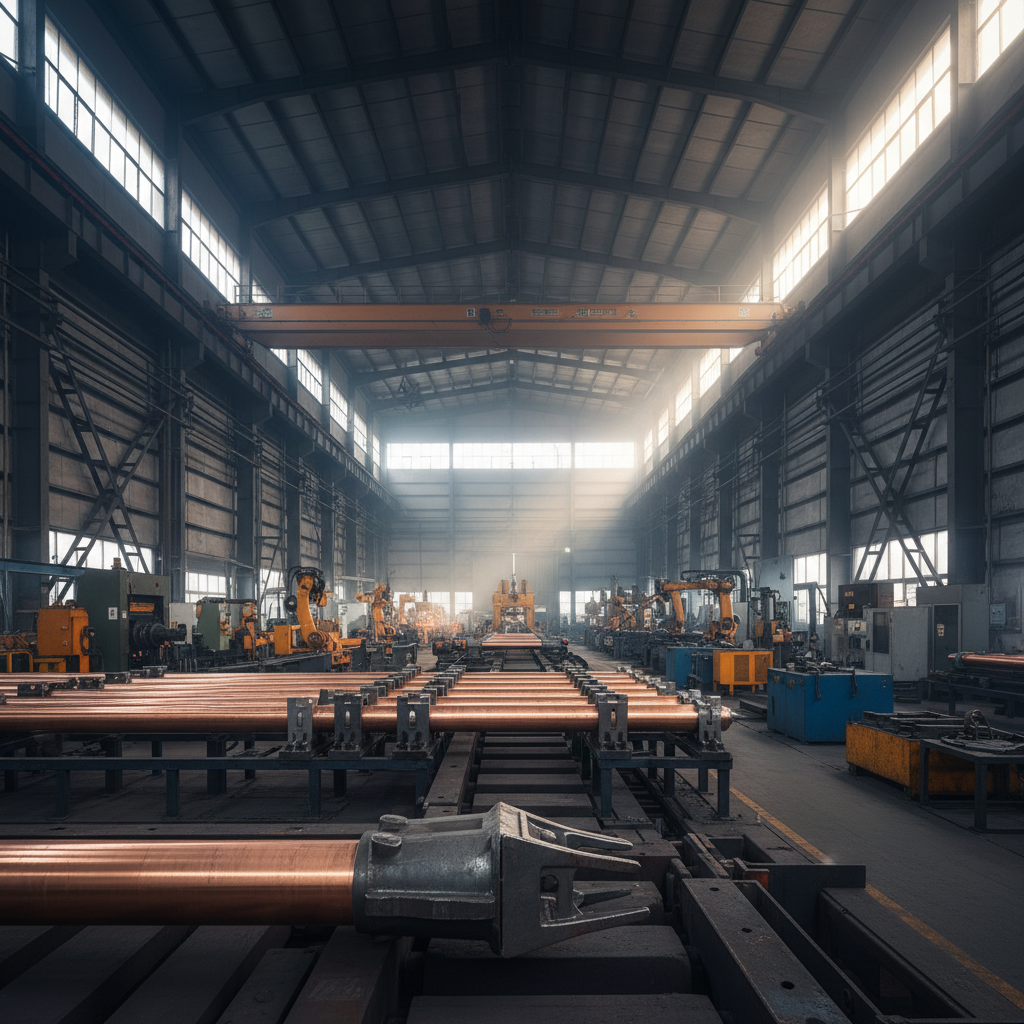
How Do Electric Earth Rods Work?
The fundamental principle behind an electric earth rod is to provide a low-resistance pathway to the earth. In the event of a fault – such as a live wire coming into contact with a metal enclosure – the current will flow through the grounding rod and into the earth instead of through a person or sensitive equipment. This rapid flow of current triggers the circuit breaker or fuse to trip, disconnecting the power supply and mitigating the hazard. The effectiveness of an earth rod depends on its material, length, diameter, and the soil's conductivity. A well-installed earth rod is a cornerstone of any safe electrical system.
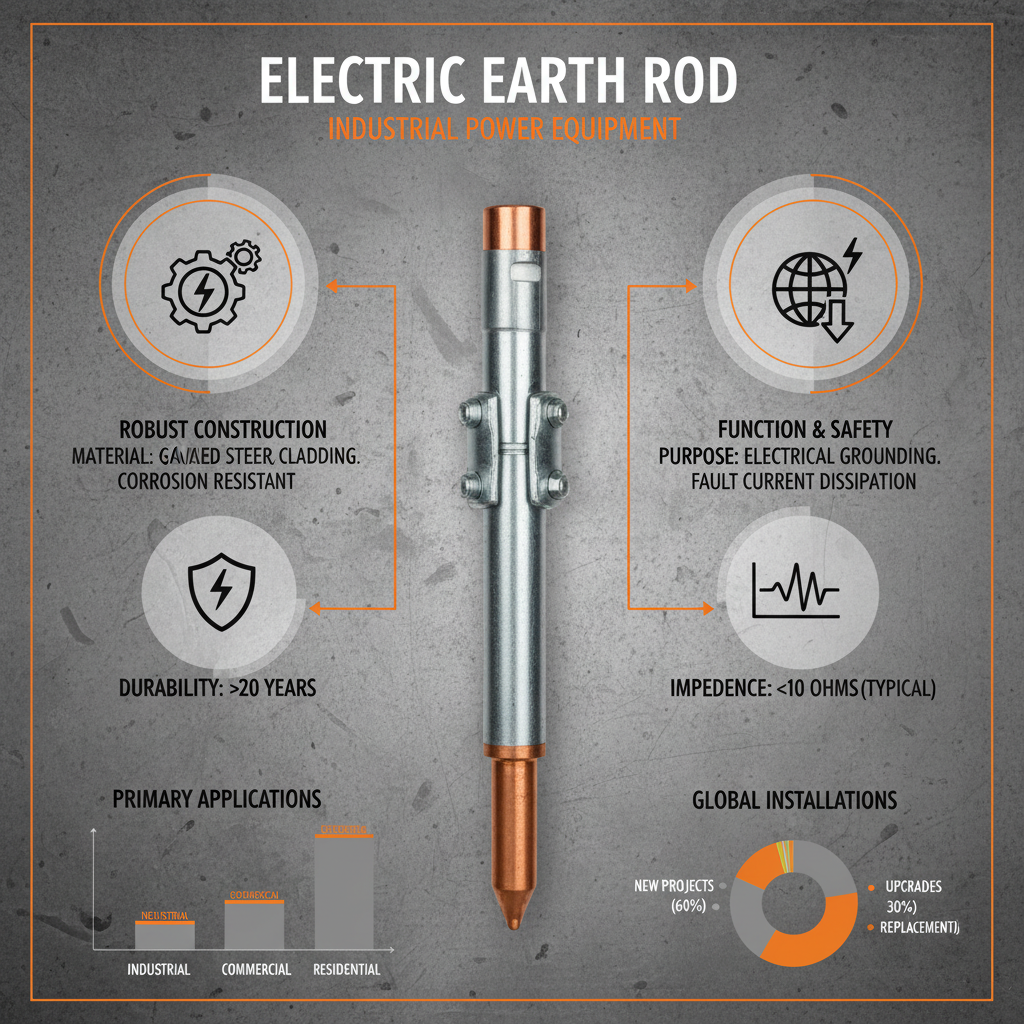
Key Function: Provides a low-resistance path to the earth, diverting fault current away from people and equipment. Essential for triggering protective devices like circuit breakers and fuses.
Types of Electric Earth Rods
Several types of earth rods are available, each suited to different soil conditions and applications. The most common include:
- Copper Earth Rods: Known for their excellent conductivity and corrosion resistance, ideal for most soil types.
- Galvanized Steel Earth Rods: A more cost-effective option, suitable for less corrosive environments. They may require additional protection in certain soils.
- Stainless Steel Earth Rods: Offer superior corrosion resistance, making them ideal for aggressive soil conditions (e.g., saltwater environments).
- Copper Clad Steel Earth Rods: Combine the conductivity of copper with the strength and lower cost of steel.
Earth Rod Material Comparison:
• Copper: Highest conductivity, excellent corrosion resistance, highest cost.
• Galvanized Steel: Good conductivity, moderate corrosion resistance, lower cost.
• Stainless Steel: Excellent corrosion resistance, good conductivity, moderate to high cost.
• Copper Clad Steel: Good conductivity, good strength, moderate cost.
Factors Affecting Earth Rod Resistance
Several factors can influence the resistance of an earth rod, which directly affects the effectiveness of the grounding system. These include:
- Soil Conductivity: Moist, clay-rich soils generally offer lower resistance than dry, sandy soils.
- Rod Length: Longer rods typically provide lower resistance as they reach deeper into the earth.
- Rod Diameter: Larger diameter rods have a greater surface area for contact with the soil, reducing resistance.
- Number of Rods: Using multiple interconnected rods can significantly lower overall resistance.
- Soil Temperature: Freezing temperatures can increase soil resistance.
Minimizing earth resistance is crucial. Techniques like soil enhancement (adding bentonite clay) and connecting multiple rods together with grounding conductors are often employed to achieve acceptable resistance levels.
Installation Best Practices for Electric Earth Rods
Proper installation is paramount for ensuring the effectiveness of an earth rod. Key considerations include:
- Location: Choose a location with consistently moist soil, away from underground utilities.
- Depth: Drive the rod to the specified depth, typically at least 8 feet (2.4 meters).
- Connection: Use approved grounding clamps to securely connect the grounding conductor to the rod.
- Soil Contact: Ensure good soil contact around the rod. Adding bentonite clay can improve conductivity.
- Testing: After installation, test the earth resistance to verify it meets regulatory requirements.
Maintenance and Testing
Regular maintenance and testing are essential for ensuring the continued effectiveness of earth rods. This includes:
- Visual Inspection: Periodically inspect the rod and connections for corrosion or damage.
- Resistance Testing: Conduct earth resistance tests at least annually, or more frequently in corrosive environments.
- Connection Tightness: Ensure grounding clamps remain tight and secure.
- Soil Monitoring: Monitor soil moisture levels and consider adding bentonite clay if the soil becomes too dry.
Conclusion: Investing in Reliable Grounding
Investing in high-quality electric earth rods and ensuring their proper installation and maintenance is a critical investment in safety. A well-grounded electrical system protects personnel, prevents equipment damage, and minimizes the risk of electrical hazards. By understanding the principles of grounding and following best practices, you can ensure a safe and reliable electrical environment.
Frequently Asked Questions (FAQs)
What is the recommended depth for installing an earth rod?
Generally, an earth rod should be driven to a minimum depth of 8 feet (2.4 meters). However, the optimal depth can vary depending on local soil conditions and regulations. In areas with rocky soil, it may be necessary to use multiple shorter rods connected together. The goal is to reach a depth where the soil remains consistently moist throughout the year, as moisture significantly improves conductivity. Always consult local electrical codes and standards for specific depth requirements.
How do I test the resistance of an earth rod?
Earth resistance is typically tested using a three-point method with an earth resistance tester. This involves driving two auxiliary earth stakes into the ground at a distance from the earth rod being tested and measuring the resistance between the rod and each auxiliary stake. The tester then calculates the overall earth resistance. It's crucial to follow the manufacturer's instructions for the earth resistance tester and ensure accurate measurements. A qualified electrician should perform this testing.
What is bentonite clay and how does it help with grounding?
Bentonite clay is a type of absorbent aluminum phyllosilicate clay consisting mostly of montmorillonite. When mixed with water, it forms a gel-like substance that significantly improves the conductivity of the surrounding soil. Adding bentonite clay around an earth rod helps retain moisture and creates a more effective grounding path, reducing earth resistance. It's particularly useful in dry or sandy soils where natural conductivity is low.
Latest news
Precision Lifting and Pulling with the Lever Block 0.5 Ton Guide
NewsApr.16,2026
Precision Engineering Guide for High Performance Jet Lever
NewsApr.16,2026
Ultimate Guide to Choosing the Professional Industrial hoist lever
NewsApr.16,2026
Industrial Hoist Lever Chain Guide for Heavy Lifting and Rigging
NewsApr.16,2026
Industrial Lever Hoist Guide for Efficient Lifting and Pulling
NewsApr.16,2026
Ultimate Guide to Hand Ratchet Lift for Heavy Industrial Lifting
NewsApr.16,2026
- CONTACT
- ADDRESS: 188, Fengshou Road, Shijiazhuang. China
- EMAlL: info@bilopowtel.com
- PHONE: 0086-311-88862036
- WHATSAPP: 0086-152-26563165


