



Mar . 19, 2026 01:45 Back to list
Comprehensive Guide to 5/8” x 4 Meter Grounding Rods for Optimal Electrical Safety
Understanding Grounding Rods: 5/8” x 4 Meter – A Comprehensive Guide
Grounding rods are essential components in electrical systems, providing a safe path for fault currents to dissipate into the earth. Selecting the right grounding rod is crucial for system performance and safety. This article focuses on the 5/8” diameter, 4-meter length grounding rod – a popular choice for residential, commercial, and industrial applications. We will explore its features, benefits, installation considerations, and why Bilopowtel offers high-quality solutions for your grounding needs. Proper grounding is not just about compliance; it's about protecting lives and equipment.
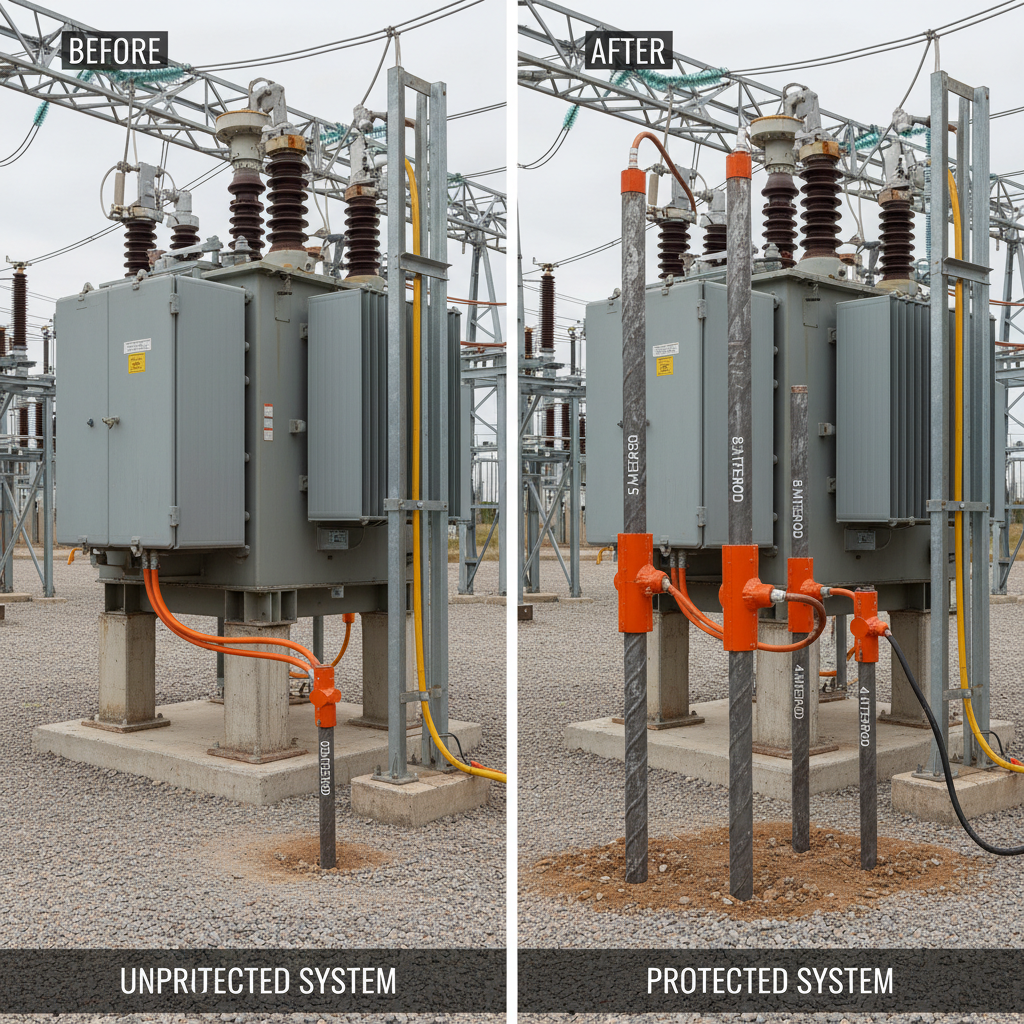
What is a 5/8” x 4 Meter Grounding Rod?
A 5/8” x 4 meter grounding rod is a solid, typically copper-clad steel rod, designed to be driven into the earth to create a low-resistance connection to ground. The 5/8” diameter provides sufficient strength for driving while maintaining good conductivity. The 4-meter (approximately 13 feet) length ensures adequate depth to reach consistently moist soil, which is essential for optimal grounding performance. These rods are commonly used in lightning protection systems, electrical service grounding, and bonding applications.
Key Benefits: Provides a reliable pathway for fault currents, protecting electrical systems and personnel. Durable construction ensures long-lasting performance. The 4-meter length facilitates reaching optimal grounding depths.
Why Choose a 5/8” Diameter Grounding Rod?
The 5/8” diameter strikes a balance between strength and conductivity. Thinner rods may bend or break during installation, especially in rocky or hard-packed soil. Thicker rods, while stronger, can be more difficult to drive and may have a higher cost. 5/8” rods are generally easier to install than larger diameters while still providing robust performance. They’re well-suited for a wide range of soil conditions. Bilopowtel’s grounding rods are manufactured to exacting standards to ensure both durability and electrical conductivity.
Key Considerations: Soil type, expected fault current levels, and local electrical codes should all be considered when choosing the appropriate grounding rod diameter.
• Strong enough to withstand driving forces.
• Provides sufficient conductivity for efficient grounding.
• Cost-effective solution for most applications.
Grounding Rod Materials: Copper-Clad Steel vs. Solid Copper
Grounding rods are commonly made from either copper-clad steel or solid copper. Copper-clad steel offers an excellent balance of cost and performance. A steel core provides strength, while the copper outer layer ensures excellent conductivity. Solid copper rods offer the best conductivity but are significantly more expensive and may be more susceptible to theft. Here’s a comparison:
Installation Best Practices for a 4 Meter Grounding Rod
Proper installation is crucial for effective grounding. The grounding rod should be driven vertically into the earth to a depth of at least 4 meters. In areas with rocky soil, a grounding rod driver may be necessary. Avoid driving the rod near underground utilities. Connect the grounding rod to the electrical system using an appropriately sized grounding conductor and a listed grounding clamp. Always consult local electrical codes for specific requirements.
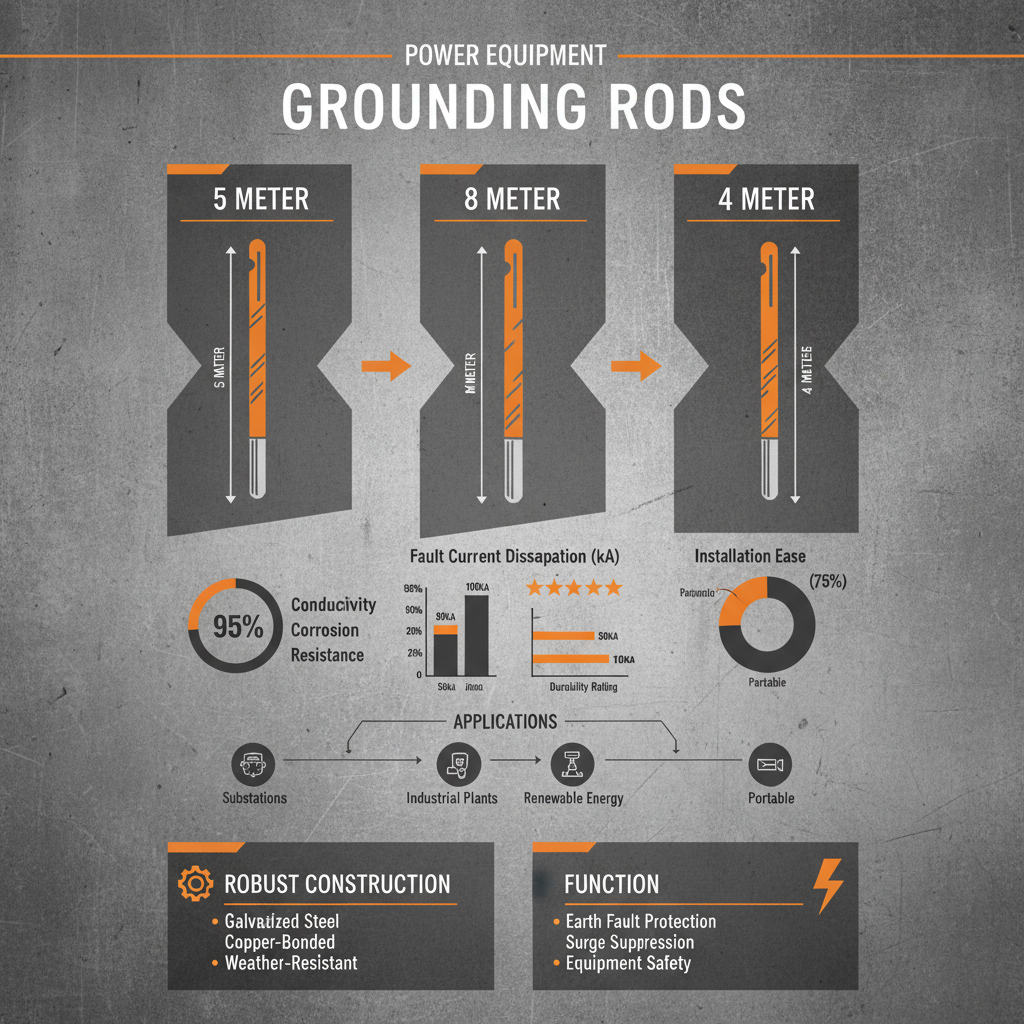
Product Specifications: Bilopowtel 5/8” x 4 Meter Grounding Rod
At Bilopowtel, we are committed to providing high-quality grounding solutions. Our 5/8” x 4 meter grounding rods meet or exceed industry standards.
Conclusion: Invest in Reliable Grounding with Bilopowtel
Choosing the right grounding rod is a critical step in ensuring electrical safety and system reliability. The 5/8” x 4 meter grounding rod provides a robust, cost-effective solution for a wide range of applications. Bilopowtel is your trusted partner for high-quality grounding products and expert support. Don't compromise on safety - choose a grounding rod from Bilopowtel.
Frequently Asked Questions (FAQs)
How deep should a grounding rod be driven?
Typically, a grounding rod should be driven at least 4 meters (approximately 13 feet) into the earth. This depth ensures the rod reaches consistently moist soil, which is critical for low resistance grounding. However, local electrical codes may specify different requirements, so it’s crucial to check and comply with those regulations. Insufficient depth can lead to higher resistance and reduced grounding effectiveness. The 5/8” x 4 meter grounding rod from Bilopowtel is specifically designed for optimal performance at this depth.
What is the purpose of a grounding clamp?
A grounding clamp securely connects the grounding conductor to the grounding rod. It provides a low-resistance electrical connection that ensures the grounding system functions correctly. Using a listed grounding clamp that is compatible with the grounding rod’s diameter is essential. Poorly connected clamps can increase resistance and compromise the effectiveness of the grounding system. Bilopowtel offers a range of high-quality grounding clamps to complement our grounding rods.
How do I test the effectiveness of my grounding rod?
The effectiveness of a grounding rod can be tested using a ground resistance tester. This device measures the resistance between the grounding rod and ground. A low resistance reading (typically less than 25 ohms) indicates a good ground connection. Higher resistance readings may indicate a problem with the grounding rod installation or soil conditions. It’s recommended to have a qualified electrician perform grounding system testing.
Can multiple grounding rods be used together?
Yes, multiple grounding rods can be connected together to reduce overall ground resistance. This is often necessary in areas with high soil resistivity. The rods should be connected using a grounding conductor and spaced at least the length of the rods apart. Bonding multiple rods together creates a more comprehensive and reliable grounding system. Consult with a qualified electrician to determine the appropriate number and configuration of grounding rods for your specific application.
Latest news
Precision Lifting and Pulling with the Lever Block 0.5 Ton Guide
NewsApr.16,2026
Precision Engineering Guide for High Performance Jet Lever
NewsApr.16,2026
Ultimate Guide to Choosing the Professional Industrial hoist lever
NewsApr.16,2026
Industrial Hoist Lever Chain Guide for Heavy Lifting and Rigging
NewsApr.16,2026
Industrial Lever Hoist Guide for Efficient Lifting and Pulling
NewsApr.16,2026
Ultimate Guide to Hand Ratchet Lift for Heavy Industrial Lifting
NewsApr.16,2026
- CONTACT
- ADDRESS: 188, Fengshou Road, Shijiazhuang. China
- EMAlL: info@bilopowtel.com
- PHONE: 0086-311-88862036
- WHATSAPP: 0086-152-26563165


