



Mar . 08, 2026 01:45 Back to list
Successfully Driving Ground Rods in Rocky Soil A Comprehensive Guide
Driving Ground Rods in Rocky Soil: A Comprehensive Guide
Driving ground rods into rocky soil presents unique challenges for grounding electrical systems. Effective grounding is crucial for safety and the proper functioning of equipment, especially in electrical installations and telecommunications. This article provides a detailed exploration of the difficulties, techniques, and tools involved in successfully grounding in rocky terrain. We'll cover strategies for overcoming obstacles and ensuring a reliable connection. Learn how to navigate this common hurdle and achieve robust grounding for your projects. For reliable grounding solutions and products, visit Bilopowtel.
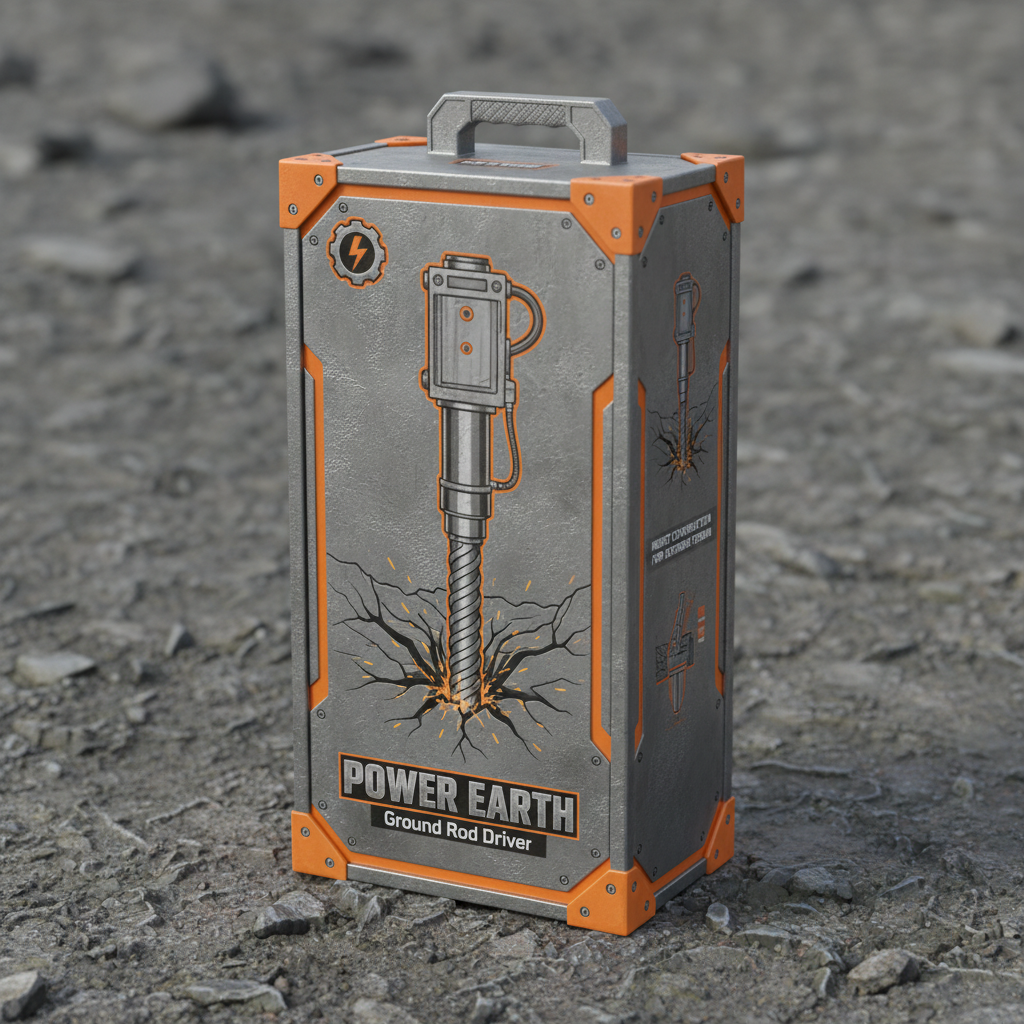
Understanding the Challenges of Rocky Soil
Rocky soil, characterized by a high concentration of stones and bedrock, significantly impedes the process of driving ground rods. The primary challenge is the physical resistance encountered when attempting to penetrate the ground. Rocks deflect the rod, making straight penetration difficult and potentially damaging the rod itself. Furthermore, the limited contact between the rod and the soil surrounding the rocks reduces the grounding effectiveness. Achieving a low resistance ground is paramount, and rocky conditions necessitate specialized techniques to overcome these obstacles. A poorly grounded system can lead to equipment malfunction, electrical hazards, and communication failures. Bilopowtel provides solutions for these challenging conditions.
Key Challenges: High physical resistance, rod deflection, reduced soil contact, difficulty achieving low resistance ground.
Techniques for Driving Ground Rods in Rocky Soil
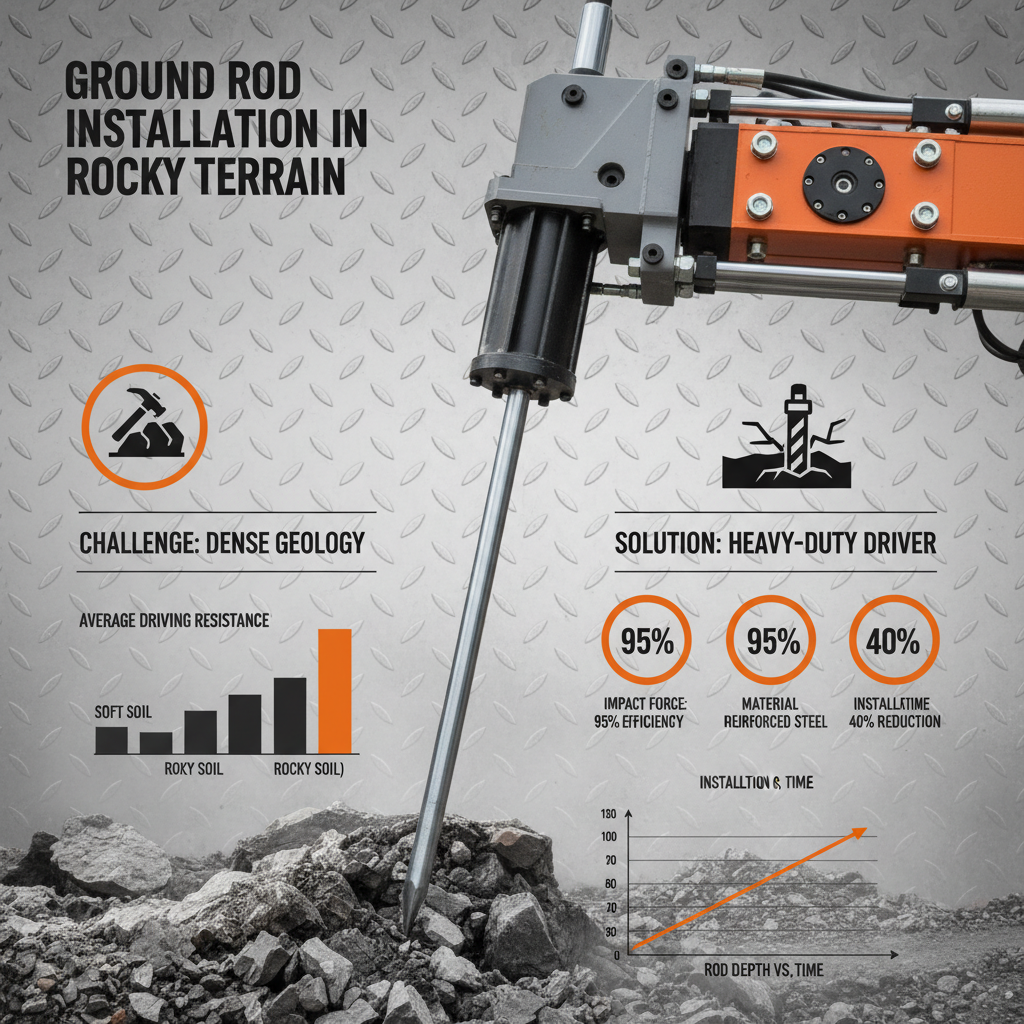
Several techniques can be employed to successfully drive ground rods in rocky soil. One method is to use a rotary hammer drill to create a pilot hole, reducing the initial resistance. This is particularly effective in very hard or densely packed rock. Another approach involves using a hydraulic ground rod driver, which delivers powerful, consistent force to overcome the resistance. Alternatively, a pointed ground rod can be used, or even multiple shorter rods connected together to increase flexibility and minimize deflection. Consider strategically selecting locations with the least amount of visible rock and utilizing techniques that minimize stress on the rod. Bilopowtel offers hydraulic ground rod drivers specifically designed for rocky terrain.
Effective Techniques:
• Rotary Hammer Drilling
• Hydraulic Ground Rod Drivers
• Using Pointed or Multiple Shorter Rods
• Strategic Location Selection
Tools and Equipment for Rocky Grounding
The right tools are essential for tackling rocky soil. A robust rotary hammer drill with appropriate drill bits is crucial for creating pilot holes. Hydraulic ground rod drivers provide the necessary force to drive rods into hard ground. Heavy-duty ground rods made from copper-clad steel are recommended to withstand the stress. A ground resistance tester is indispensable for verifying the effectiveness of the grounding system. Protective gear, including gloves and safety glasses, should always be worn. Consider using lubricant to reduce friction during rod insertion. Bilopowtel offers a comprehensive range of grounding tools and equipment.
Alternative Grounding Methods
When driving ground rods proves impossible, alternative methods should be considered. Ground rings, consisting of a conductive cable encircling the structure, can provide a viable solution. Chemical grounding rods, which expand upon contact with soil, can also be effective in rocky conditions. It’s important to consult with a qualified electrician to determine the most appropriate method for your specific situation. Sometimes a combination of techniques, such as a ground ring supplemented with a driven rod where possible, provides the best results. Always ensure compliance with local electrical codes and regulations.
Ensuring a Low Resistance Ground
Regardless of the method used, achieving a low resistance ground is critical. The National Electrical Code (NEC) recommends a ground resistance of 5 ohms or less. Regularly testing the ground resistance with a ground resistance tester is essential. If the resistance is too high, consider adding additional grounding electrodes or improving soil conductivity by adding soil amendments. Remember that a properly grounded system is a safe and reliable system. Bilopowtel offers comprehensive grounding solutions and testing services.
Conclusion: Mastering Grounding in Rocky Terrain
Successfully driving ground rods in rocky soil requires careful planning, the right tools, and appropriate techniques. By understanding the challenges and implementing the strategies outlined in this article, you can ensure a safe and reliable grounding system for your projects. Don’t compromise on safety – choose Bilopowtel for your grounding needs.
Frequently Asked Questions (FAQs)
What is considered an acceptable ground resistance value?
According to the National Electrical Code (NEC), a ground resistance of 5 ohms or less is generally recommended. However, the specific acceptable value can vary depending on local regulations, the size of the electrical system, and the type of equipment being grounded. It’s crucial to check with local authorities and qualified electricians to determine the appropriate resistance level for your particular application. Regularly monitoring and testing ground resistance is essential to ensure continued safety and compliance.
Can I use a lubricant when driving ground rods?
Yes, using a lubricant can significantly reduce friction and make it easier to drive ground rods, especially in rocky or compacted soil. A bentonite clay-based lubricant is commonly used as it expands when wet, filling voids around the rod and improving conductivity. Avoid using oil-based lubricants, as they can degrade over time and potentially affect the grounding performance. Always follow the lubricant manufacturer's instructions for application.
What should I do if I can’t achieve a low resistance ground with a single rod?
If a single ground rod doesn't achieve the required low resistance, consider using multiple ground rods spaced at least the length of the rod apart. You can also implement a ground ring, which is a conductive cable encircling the structure to be grounded. Another option is to improve soil conductivity by adding soil amendments, such as bentonite clay or charcoal, around the rod. Consult with a qualified electrician to determine the best approach for your specific situation and ensure compliance with electrical codes.
Latest news
Precision Lifting and Pulling with the Lever Block 0.5 Ton Guide
NewsApr.16,2026
Precision Engineering Guide for High Performance Jet Lever
NewsApr.16,2026
Ultimate Guide to Choosing the Professional Industrial hoist lever
NewsApr.16,2026
Industrial Hoist Lever Chain Guide for Heavy Lifting and Rigging
NewsApr.16,2026
Industrial Lever Hoist Guide for Efficient Lifting and Pulling
NewsApr.16,2026
Ultimate Guide to Hand Ratchet Lift for Heavy Industrial Lifting
NewsApr.16,2026
- CONTACT
- ADDRESS: 188, Fengshou Road, Shijiazhuang. China
- EMAlL: info@bilopowtel.com
- PHONE: 0086-311-88862036
- WHATSAPP: 0086-152-26563165


