



Mar . 19, 2026 01:45 Back to list
Essential Guide to Choosing a Grounding Rod for Above Ground Pool Safety
Choosing the Right Grounding Rod for Above Ground Pool Safety
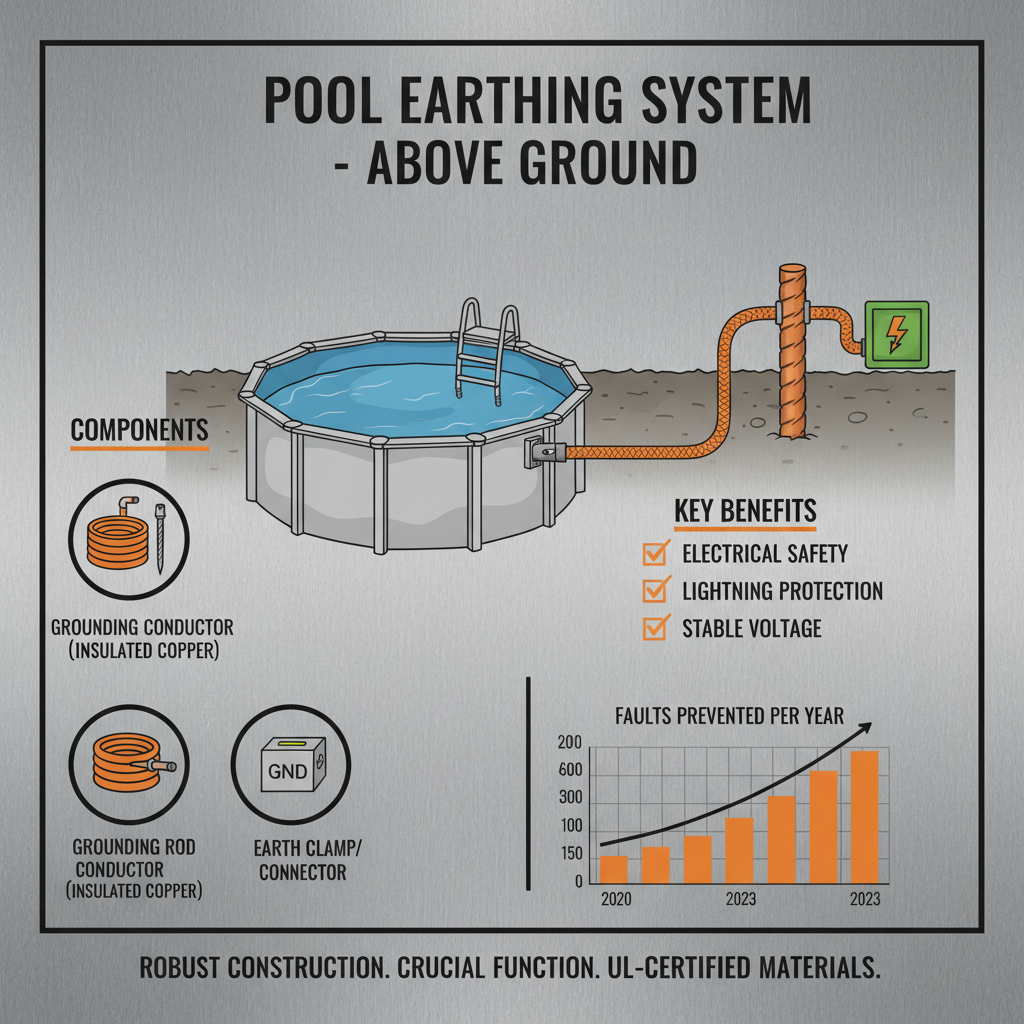
Maintaining a safe swimming environment is paramount for any above ground pool owner. A crucial, yet often overlooked, aspect of pool safety is proper grounding. A grounding rod for above ground pool protects swimmers from electrical hazards by providing a path for stray electrical currents to safely dissipate into the earth. This article will cover the importance of grounding, different types of grounding rods, installation considerations, and how to choose the best grounding rod for your specific needs. Proper grounding isn’t just a good idea; it’s often legally required and can potentially save lives.
Why is a Grounding Rod Essential for Above Ground Pools?
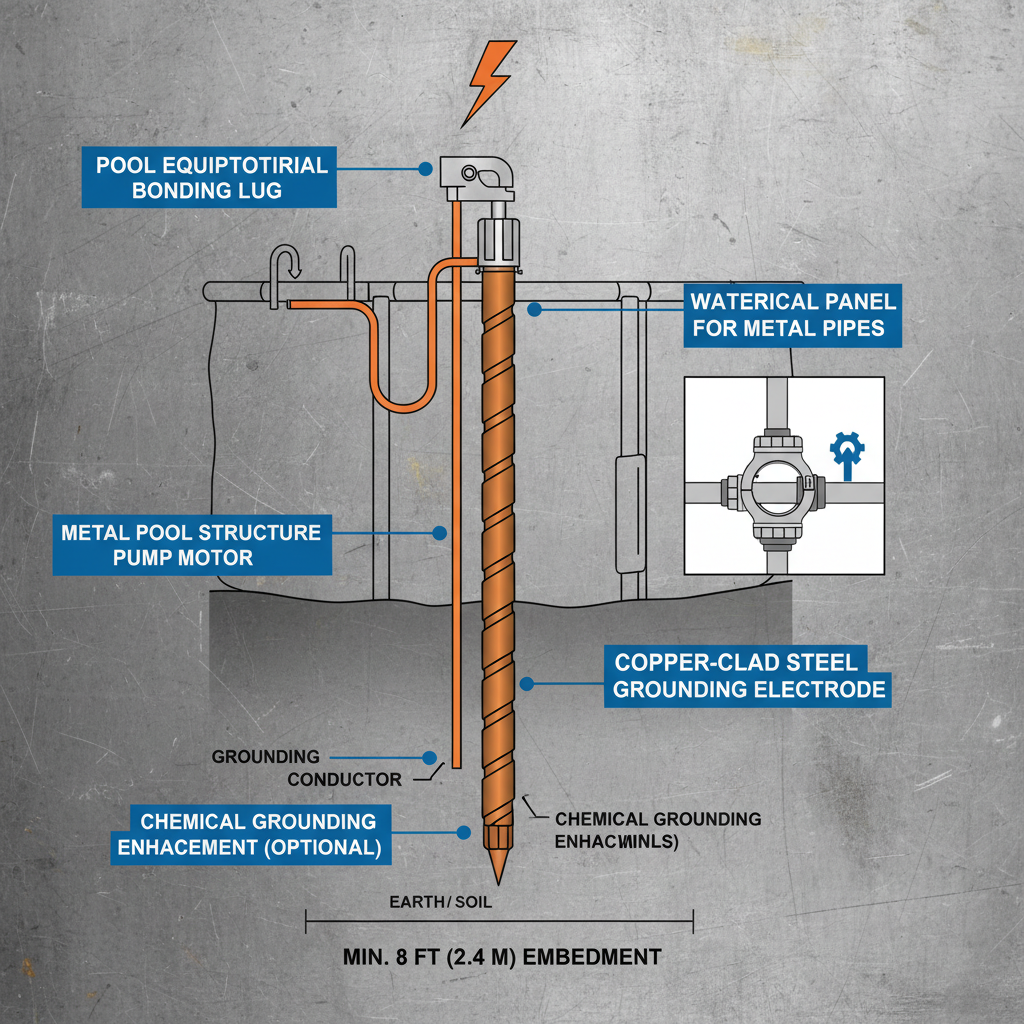
Above ground pools utilize electrical equipment, such as pumps, filters, heaters, and lighting. Faulty wiring or an electrical surge can energize the pool water, creating a dangerous situation for anyone swimming. A grounding rod provides a low-resistance path for the electrical current to travel to the earth, tripping a circuit breaker and preventing a potentially fatal shock. Without proper grounding, the pool water could become energized, posing a significant risk to swimmers. Local electrical codes often mandate grounding for all pools, and failing to comply can result in fines or legal liabilities.
Key Benefit: A grounding rod redirects stray electrical currents away from swimmers, creating a safe swimming environment and ensuring compliance with safety regulations.
Types of Grounding Rods for Above Ground Pools
Several types of grounding rods are available, each with its own advantages and disadvantages. The most common materials include copper, copper-clad steel, and galvanized steel. Copper grounding rods offer the best conductivity and corrosion resistance but are generally the most expensive. Copper-clad steel grounding rods provide a good balance of conductivity and affordability, with a steel core coated in copper. Galvanized steel grounding rods are the most affordable option but have lower conductivity and are more susceptible to corrosion, especially in acidic soil. The ideal choice depends on your budget, soil conditions, and local code requirements.
Grounding Rod Material Comparison:
• Copper: Best conductivity, highest cost, excellent corrosion resistance.
• Copper-Clad Steel: Good conductivity, moderate cost, good corrosion resistance.
• Galvanized Steel: Lowest conductivity, lowest cost, susceptible to corrosion.
Grounding Rod Size and Length: What’s Right for Your Pool?
Choosing the correct grounding rod size and length is crucial for effective grounding. Generally, an 8-foot grounding rod with a diameter of at least ½ inch is recommended for most above ground pools. However, soil conditions can significantly impact grounding effectiveness. In sandy or rocky soil, a longer grounding rod (10 feet or more) may be necessary to reach a consistently moist soil layer. The Bilopowtel offers various grounding rod sizes to suit different pool installations and soil types.
Proper Installation: Ensuring Effective Grounding
Proper installation is just as important as choosing the right grounding rod. The grounding rod should be driven vertically into the ground until only a few inches remain exposed. It should be located at least 10 feet away from the pool structure and any metal piping. Connecting the grounding rod to the pool’s bonding system is critical. This is typically done using a heavy-gauge copper wire. It’s highly recommended to have a qualified electrician perform the installation to ensure compliance with local codes and safety standards.
Frequently Asked Questions (FAQs)
How often should I inspect my pool's grounding rod?
It's best to inspect your grounding rod annually, and after any significant electrical storm or ground disturbance. Check for corrosion, damage to the wiring connections, and ensure the rod is still securely driven into the ground. If you notice any issues, consult a qualified electrician immediately. A simple visual inspection can often identify potential problems before they become dangerous.
Can I use multiple grounding rods?
Yes, in some cases, using multiple grounding rods can improve grounding effectiveness, especially in areas with poor soil conductivity. However, they must be connected together with a bonding wire and spaced at least the length of the grounding rod apart. Always consult with a qualified electrician to determine if multiple grounding rods are necessary and how to properly connect them.
What is bonding, and why is it important?
Bonding involves connecting all metal components of the pool (ladder, pump, filter, heater, etc.) to the grounding system. This ensures that all metal parts are at the same electrical potential, preventing voltage differences that could cause a shock. Bonding is just as crucial as grounding and must be done correctly to ensure swimmer safety. Bilopowtel provides the accessories needed to install the grounding rod safely.
Latest news
Precision Lifting and Pulling with the Lever Block 0.5 Ton Guide
NewsApr.16,2026
Precision Engineering Guide for High Performance Jet Lever
NewsApr.16,2026
Ultimate Guide to Choosing the Professional Industrial hoist lever
NewsApr.16,2026
Industrial Hoist Lever Chain Guide for Heavy Lifting and Rigging
NewsApr.16,2026
Industrial Lever Hoist Guide for Efficient Lifting and Pulling
NewsApr.16,2026
Ultimate Guide to Hand Ratchet Lift for Heavy Industrial Lifting
NewsApr.16,2026
- CONTACT
- ADDRESS: 188, Fengshou Road, Shijiazhuang. China
- EMAlL: info@bilopowtel.com
- PHONE: 0086-311-88862036
- WHATSAPP: 0086-152-26563165


