



Mar . 28, 2026 01:45 Back to list
Understanding Grounding Rods for Earthing Systems and Installation Practices
Understanding Grounding Rods for Earthing
Effective earthing, or grounding, is crucial for the safety and functionality of electrical systems. A grounding rod serves as a vital component in this process, providing a low-resistance path to the earth for fault currents. This article explores the purpose, types, installation, and key considerations for selecting a grounding rod for earthing applications. Whether you are a contractor, engineer, or homeowner, understanding these principles is essential. Learn more about our grounding solutions at Bilopowtel.
The Importance of Earthing and Grounding
Earthing, also known as grounding, is the process of connecting electrical equipment to the earth to provide a safe path for electrical current in the event of a fault. This is essential for protecting people from electric shock and preventing damage to equipment. A grounding rod is a key component in this system, acting as the connection point to the earth. Without proper earthing, fault currents can build up, creating a hazardous situation. Grounding rods dissipate these currents safely, minimizing risk. A well-designed earthing system also improves the performance and reliability of electrical equipment by providing a stable reference point.
Key Benefits of Effective Earthing: Protects against electric shock, prevents equipment damage, improves system reliability, and complies with safety regulations.
Types of Grounding Rods
Various types of grounding rods are available, each suited for different soil conditions and applications. Copper-clad steel rods are a popular choice, offering a good balance of conductivity and strength. Galvanized steel rods are more cost-effective but have lower conductivity. Solid copper rods provide the best conductivity but are more expensive. Additionally, helical grounding rods (also known as spiral grounding rods) are designed for installation in difficult soil conditions, offering a larger surface area for improved contact with the earth. Consider the specific requirements of your project when choosing the appropriate type of grounding rod. Bilopowtel offers a wide selection to meet your needs.
Grounding Rod Types & Features:
• Copper-clad Steel: Excellent conductivity & strength
• Galvanized Steel: Cost-effective, moderate conductivity
• Solid Copper: Highest conductivity, most expensive
• Helical (Spiral): Ideal for difficult soil conditions
Grounding Rod Installation: Best Practices
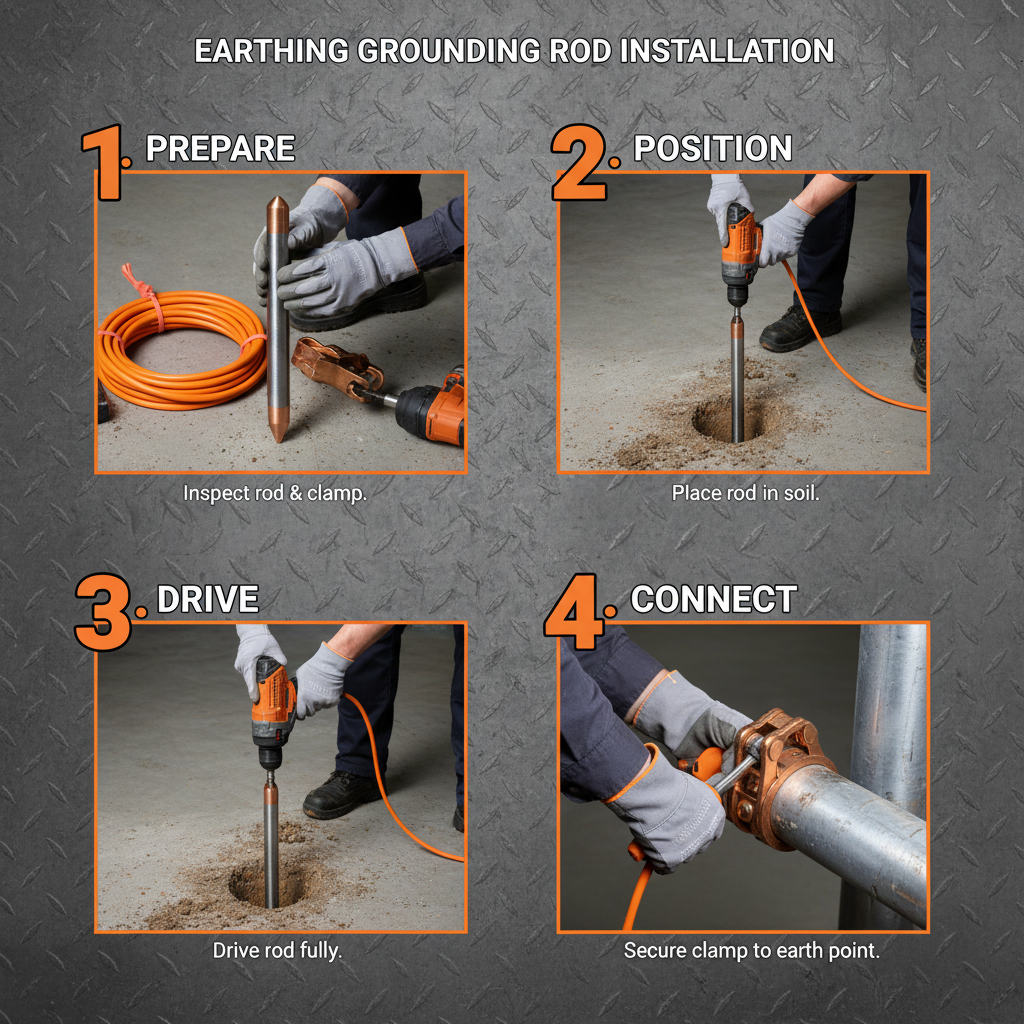
Proper installation is critical for the effectiveness of a grounding rod. The rod should be driven vertically into the ground to a sufficient depth, typically at least 8 feet (2.4 meters). In areas with rocky soil, a deeper installation may be necessary. Multiple grounding rods should be spaced at least the length of the rod apart. A grounding conductor should be securely connected to the rod using an approved clamp. Backfilling the area around the rod with conductive soil can improve its performance. Always consult local electrical codes and regulations for specific installation requirements.
Factors Affecting Grounding Rod Performance
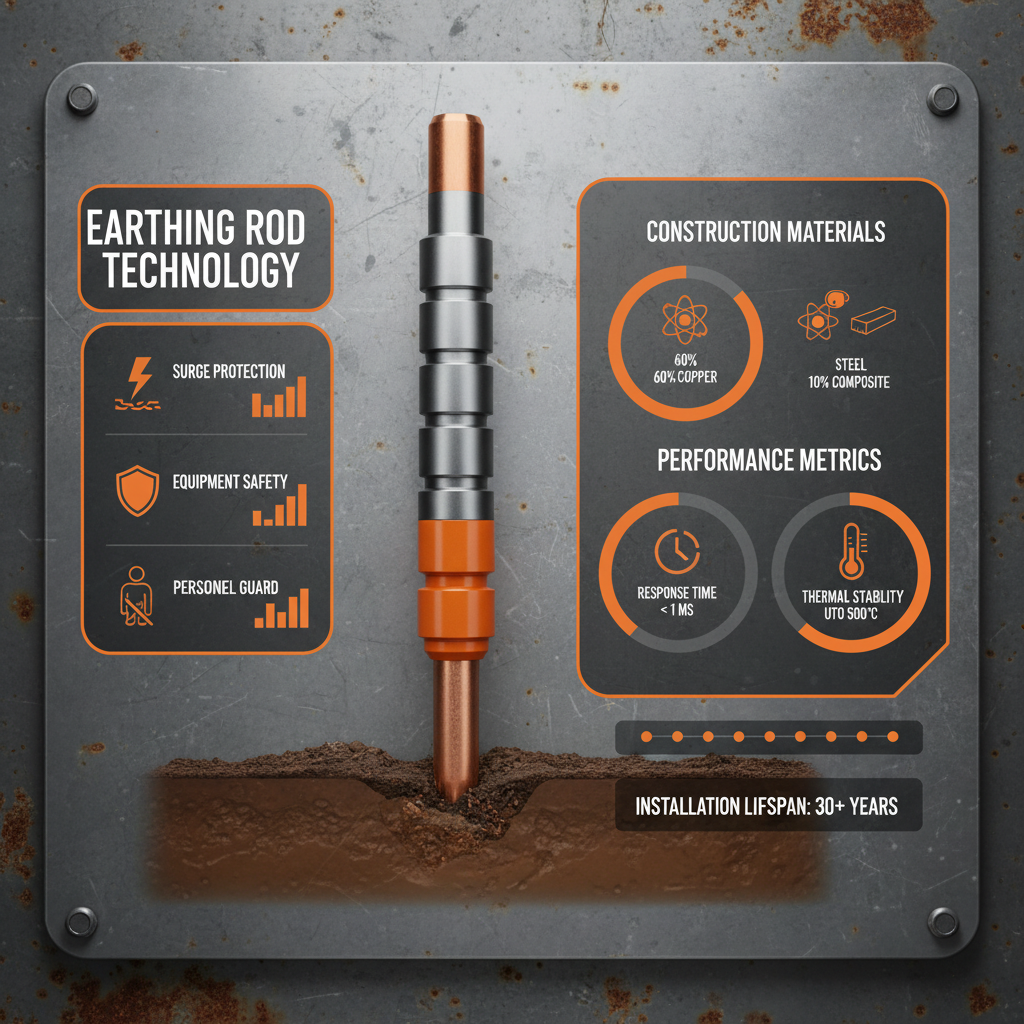
Several factors can impact the performance of a grounding rod. Soil resistivity is a primary consideration; sandy or rocky soils generally have higher resistivity, requiring longer or multiple rods. Moisture content also plays a role, as dry soil is less conductive. Corrosion can degrade the rod over time, reducing its effectiveness. Regular inspection and maintenance are essential to ensure continued performance. Understanding these factors allows for informed selection and installation to optimize earthing effectiveness.
Choosing the Right Grounding Rod: Bilopowtel's Expertise
Selecting the correct grounding rod for your application requires careful consideration of soil conditions, electrical requirements, and budget. At Bilopowtel, we offer a comprehensive range of grounding rods and accessories, along with expert guidance to help you make the right choice. Our team can assist with site assessment, rod selection, and installation recommendations. We are committed to providing high-quality products and solutions that ensure the safety and reliability of your electrical systems.
Conclusion: Prioritizing Safety with Reliable Grounding
Investing in a reliable earthing system, starting with a quality grounding rod, is paramount for safety and system performance. Bilopowtel is your trusted partner for all your earthing needs, offering expert advice and a wide selection of products. Don't compromise on safety – choose Bilopowtel.
Frequently Asked Questions (FAQs)
What is the recommended depth for grounding rod installation?
Generally, a grounding rod should be driven at least 8 feet (2.4 meters) into the ground. However, this can vary depending on soil conditions and local electrical codes. In areas with rocky soil or high resistivity, a deeper installation may be required to achieve adequate earthing. It’s crucial to consult local regulations and consider the specific site conditions. The primary goal is to reach consistently moist soil for effective current dissipation.
How do I test the effectiveness of my grounding rod?
The effectiveness of a grounding rod is measured by its resistance to earth. This can be tested using a ground resistance tester, also known as an earth resistance tester. The test involves inserting probes into the ground at varying distances from the grounding rod. A low resistance reading indicates a good connection to earth. Acceptable resistance values vary depending on local codes, but generally, a resistance of 25 ohms or less is desirable. If the resistance is too high, consider using multiple grounding rods or improving the soil conductivity.
What is soil resistivity and how does it impact earthing?
Soil resistivity is a measure of how strongly the soil resists the flow of electrical current. High resistivity soils (e.g., sandy, rocky) are poor conductors and require more effort to achieve effective earthing. Low resistivity soils (e.g., clay, moist soil) are good conductors. Soil resistivity is affected by factors like moisture content, temperature, and mineral composition. If soil resistivity is high, you may need to use longer grounding rods, multiple grounding rods, or soil enhancement techniques to reduce resistance.
Can I use a grounding rod in rocky soil?
Installing a grounding rod in rocky soil can be challenging, but it's often possible. Using a helical (spiral) grounding rod is recommended, as it's designed to be driven into difficult soil conditions. Alternatively, you can consider excavating a hole and surrounding the rod with conductive backfill material, such as bentonite clay. Ensure the rod is driven as deeply as possible to reach consistently moist soil below the rock layer. Always prioritize safety and consult a qualified electrician for assistance.
Latest news
Precision Lifting and Pulling with the Lever Block 0.5 Ton Guide
NewsApr.16,2026
Precision Engineering Guide for High Performance Jet Lever
NewsApr.16,2026
Ultimate Guide to Choosing the Professional Industrial hoist lever
NewsApr.16,2026
Industrial Hoist Lever Chain Guide for Heavy Lifting and Rigging
NewsApr.16,2026
Industrial Lever Hoist Guide for Efficient Lifting and Pulling
NewsApr.16,2026
Ultimate Guide to Hand Ratchet Lift for Heavy Industrial Lifting
NewsApr.16,2026
- CONTACT
- ADDRESS: 188, Fengshou Road, Shijiazhuang. China
- EMAlL: info@bilopowtel.com
- PHONE: 0086-311-88862036
- WHATSAPP: 0086-152-26563165


