



Mar . 17, 2026 01:45 Back to list
Comprehensive Guide to Ground Rod Welding Techniques and Safety Procedures
Understanding Ground Rod Welding: A Comprehensive Guide
Ground rod welding is a critical process in electrical system installation, ensuring proper grounding and safety. This article provides a detailed exploration of the techniques, equipment, and best practices involved in ground rod welding. Effective grounding is paramount for protecting against electrical shocks, surges, and equipment damage. We will delve into the nuances of this process, offering valuable insights for professionals and DIY enthusiasts alike. A solid grounding system contributes significantly to the longevity and reliability of electrical infrastructure.
Essential Equipment for Ground Rod Welding
Successful ground rod welding requires specific equipment designed for the task. This includes a welding machine capable of producing sufficient amperage (typically a Stick or MIG welder is used), ground rods made of copper-clad steel or solid copper, welding electrodes compatible with the rod material, safety gear (helmet, gloves, jacket), and tools for cleaning and preparing the rod. The choice of welding machine depends on the rod diameter and environmental conditions. Proper equipment maintenance is crucial for consistent and safe welding. Investing in quality equipment ensures a reliable and long-lasting ground connection.
Key Equipment Checklist: Welding Machine, Ground Rod, Welding Electrode, Safety Gear, Cleaning Tools
Ground Rod Welding Techniques: A Step-by-Step Guide
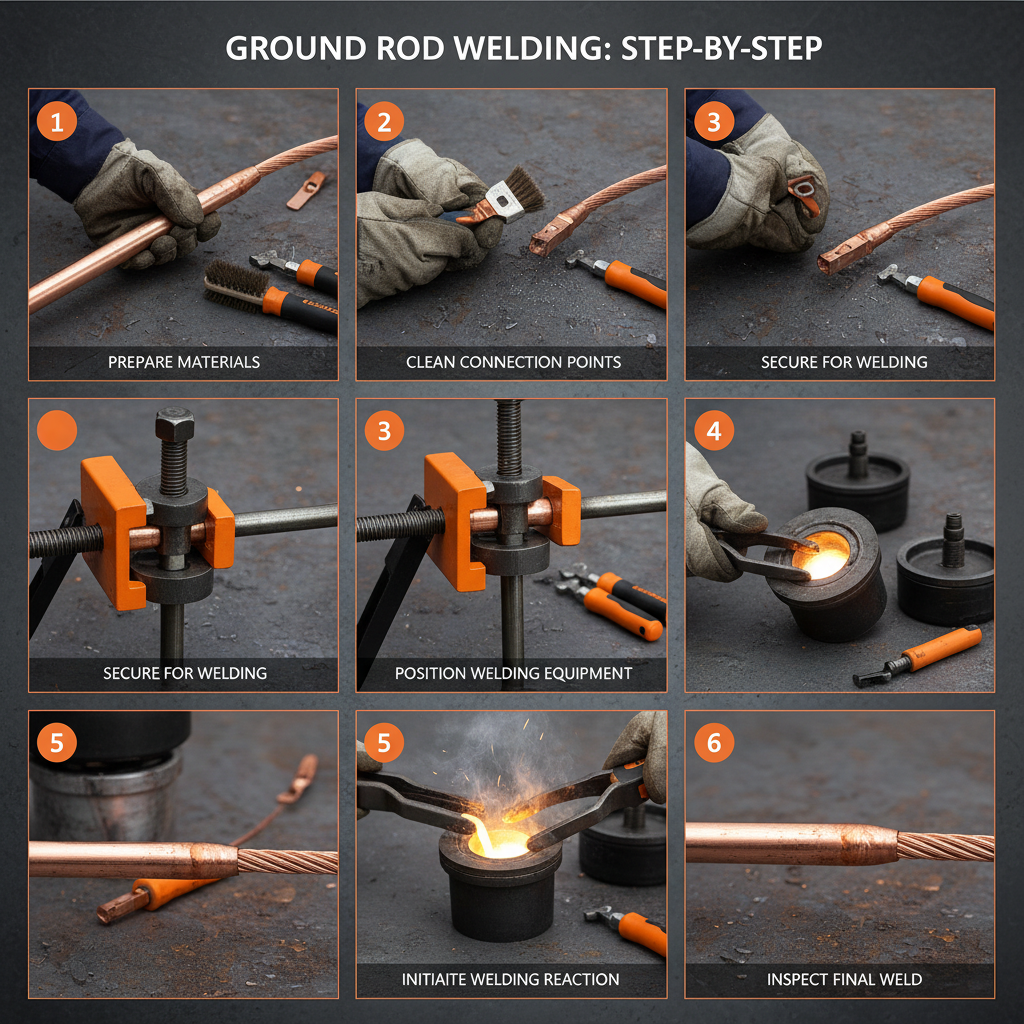
The process of ground rod welding involves several critical steps. First, thoroughly clean the ground rod to remove any rust, dirt, or coatings that could interfere with the weld. Next, securely clamp the ground rod in a vertical position. Position the welding machine and ground clamp appropriately. Initiate the welding arc, focusing on creating a strong and consistent weld bead around the circumference of the rod, typically using a full penetration weld. Allow the weld to cool slowly. Regular practice is key to mastering these techniques and achieving optimal weld quality. Always prioritize safety and follow proper welding procedures.
Key Steps:
• Clean the Ground Rod Thoroughly
• Securely Clamp the Rod
• Create a Strong Weld Bead
• Allow for Slow Cooling
Ground Rod Welding: Electrode Selection and Amperage Settings
Choosing the correct welding electrode and amperage setting is crucial for a successful weld. For copper-clad steel rods, E7018 electrodes are commonly used. The appropriate amperage depends on the rod diameter and electrode size. Generally, thicker rods require higher amperage. Refer to the welding machine's manual and electrode manufacturer's recommendations for specific settings. Proper electrode selection ensures a strong, conductive weld. Adjusting the amperage allows for optimal penetration and prevents issues like porosity or incomplete fusion. For further guidance visit Bilopowtel.
Safety Precautions When Performing Ground Rod Welding
Ground rod welding involves inherent risks, and safety must be the top priority. Always wear appropriate personal protective equipment (PPE), including a welding helmet with a suitable shade, welding gloves, a welding jacket, and safety glasses. Ensure the work area is well-ventilated. Disconnect power to the electrical system before commencing work. Be mindful of flammable materials nearby. Follow all local electrical codes and regulations. Prioritizing safety minimizes the risk of accidents and ensures a secure working environment. Regular safety training is essential for all personnel involved in ground rod welding.
Best Practices for Long-Lasting Ground Rod Welds
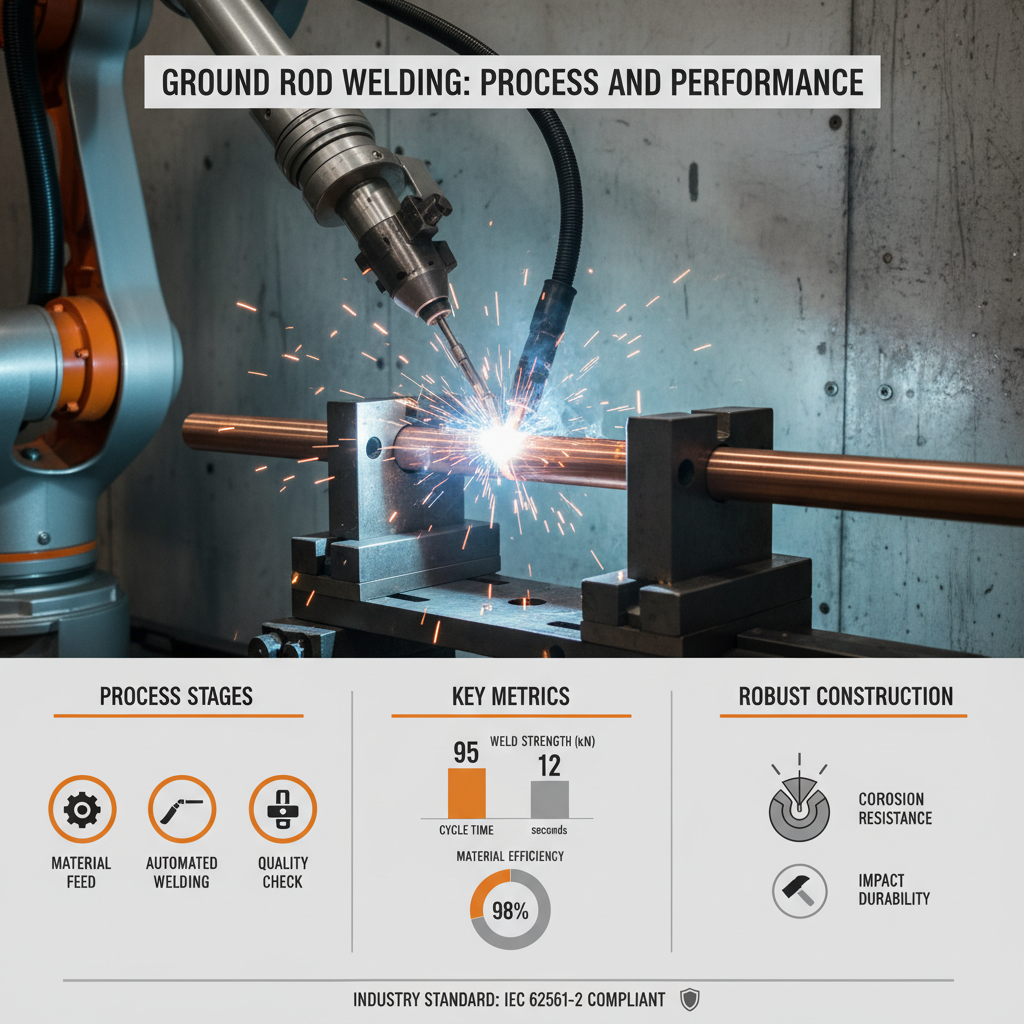
To ensure a long-lasting and effective ground connection, adhere to best practices. Thoroughly prepare the ground rod and welding surface. Use a full-penetration weld that completely encircles the rod. Allow the weld to cool slowly to prevent cracking. Consider applying a corrosion-resistant coating to the weld after it has cooled. Regularly inspect the ground connection for signs of corrosion or damage. By following these practices, you can maximize the lifespan and reliability of the ground rod weld. Explore additional resources and products on Bilopowtel's website for optimal grounding solutions.
Conclusion: Achieving Reliable Grounding Through Proper Welding
Mastering the art of ground rod welding is essential for ensuring the safety and reliability of electrical systems. By understanding the techniques, equipment, and safety precautions outlined in this guide, professionals and enthusiasts can achieve robust and long-lasting ground connections. Invest in quality equipment, prioritize safety, and follow best practices to maximize the effectiveness of your grounding system.
Frequently Asked Questions (FAQs)
What is the minimum recommended depth for installing a ground rod?
The minimum recommended depth for installing a ground rod is typically 8 feet (2.4 meters). This depth ensures adequate contact with moist soil, providing a reliable ground connection. However, local electrical codes may specify different requirements, so it's essential to consult with your local authorities. In areas with rocky soil or shallow bedrock, alternative grounding methods may be necessary. Ensuring sufficient depth is crucial for effective grounding and safety.
Can I use a ground clamp instead of welding the ground rod?
While a ground clamp can provide a temporary ground connection, it's generally not a substitute for welding the ground rod. Ground clamps are prone to loosening over time due to vibration and corrosion, leading to a compromised connection. Welding creates a permanent, low-resistance connection that's less susceptible to failure. For long-term reliability and safety, welding the ground rod is the preferred method. Consider using both a welded connection and a supplemental ground clamp for added redundancy in critical applications.
How do I test the effectiveness of a ground rod connection?
You can test the effectiveness of a ground rod connection using a ground resistance tester. This device measures the resistance between the ground rod and a remote ground stake. A low resistance reading (typically less than 25 ohms) indicates a good connection. Higher resistance readings suggest a problem with the grounding system, such as corrosion or a poor weld. Regular testing is recommended to ensure the continued effectiveness of the ground connection. Proper testing helps identify and address potential grounding issues before they compromise safety.
What type of ground rod is best for my application?
The best type of ground rod depends on soil conditions and local regulations. Copper-clad steel rods are a common choice, offering a good balance of conductivity and cost-effectiveness. Solid copper rods provide superior conductivity but are more expensive. In corrosive soil environments, galvanized steel rods may be used, but they have lower conductivity. Consult with a qualified electrician or grounding specialist to determine the most appropriate ground rod for your specific application. Consider factors like soil resistivity, corrosion potential, and electrical codes when making your decision.
Latest news
Precision Lifting and Pulling with the Lever Block 0.5 Ton Guide
NewsApr.16,2026
Precision Engineering Guide for High Performance Jet Lever
NewsApr.16,2026
Ultimate Guide to Choosing the Professional Industrial hoist lever
NewsApr.16,2026
Industrial Hoist Lever Chain Guide for Heavy Lifting and Rigging
NewsApr.16,2026
Industrial Lever Hoist Guide for Efficient Lifting and Pulling
NewsApr.16,2026
Ultimate Guide to Hand Ratchet Lift for Heavy Industrial Lifting
NewsApr.16,2026
- CONTACT
- ADDRESS: 188, Fengshou Road, Shijiazhuang. China
- EMAlL: info@bilopowtel.com
- PHONE: 0086-311-88862036
- WHATSAPP: 0086-152-26563165


