



Mar . 28, 2026 01:45 Back to list
Comprehensive Guide to Earth Discharge Rod Price and Effective Grounding Systems
Earth Discharge Rod Price: A Comprehensive Guide
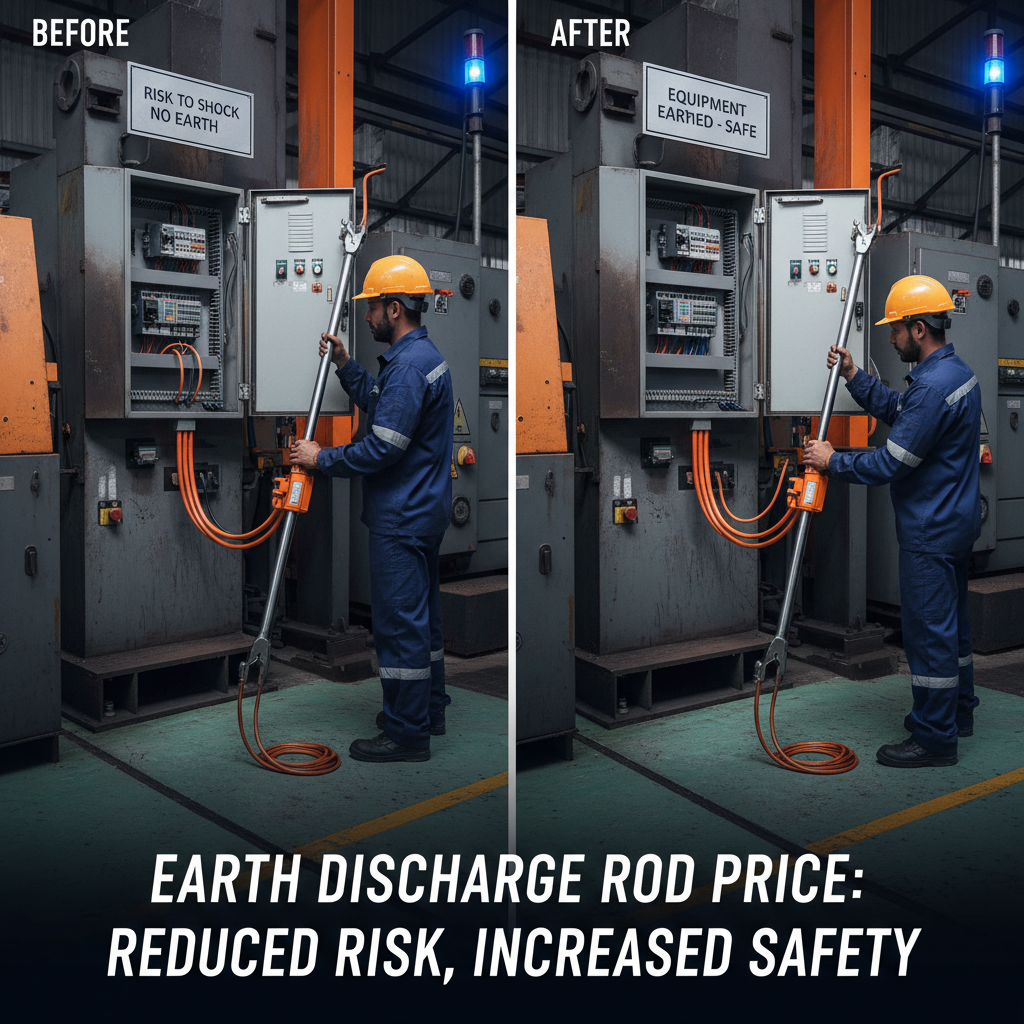
Understanding the price of an earth discharge rod is crucial for ensuring effective grounding and lightning protection. The cost can vary significantly based on material, length, diameter, and quantity. This article provides a detailed overview of factors influencing earth discharge rod price, typical price ranges, and where to find reliable suppliers like Bilopowtel. Protecting your infrastructure from electrical surges requires a thorough understanding of these elements.
Factors Affecting Earth Discharge Rod Price
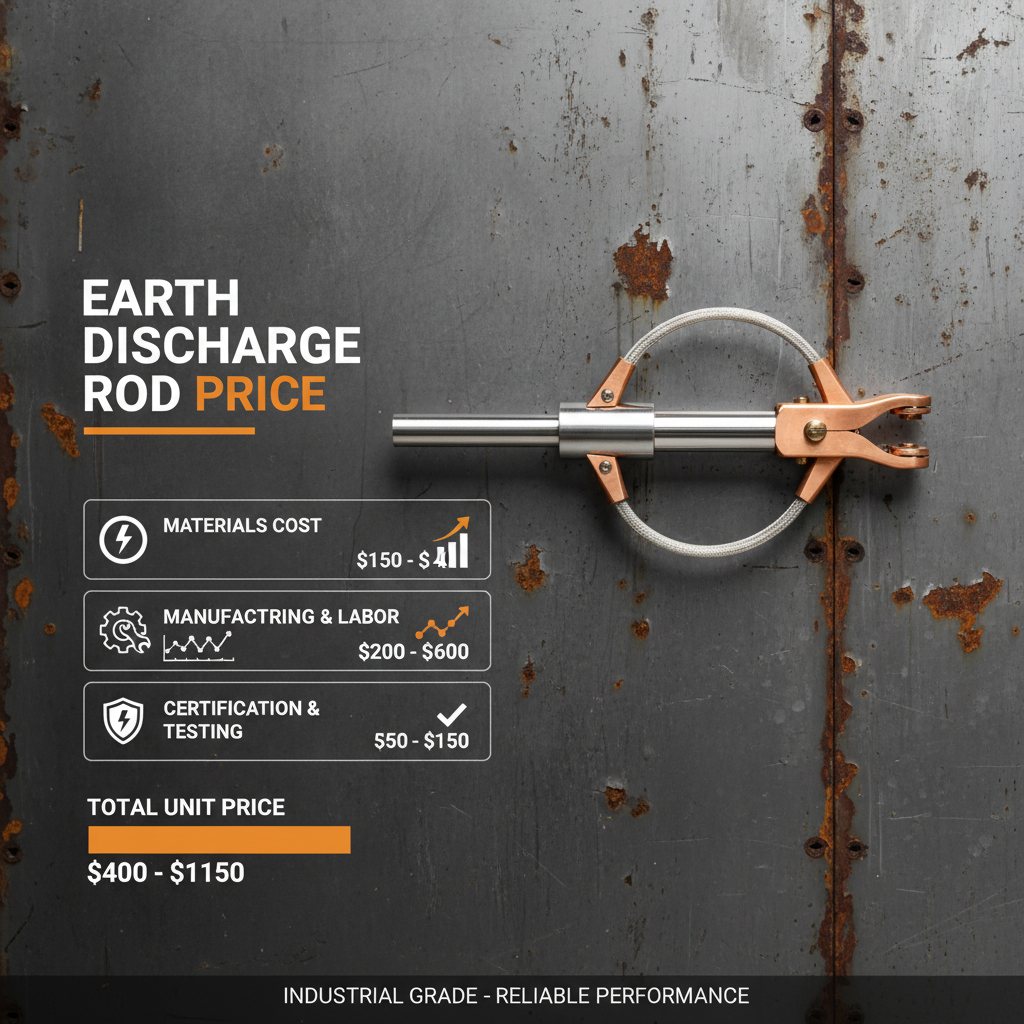
Several factors contribute to the final price of an earth discharge rod. The material is a primary driver, with copper rods generally being more expensive than galvanized steel. Length and diameter also play a significant role – longer and thicker rods require more material and thus cost more. Furthermore, the quantity purchased influences the price per unit, with bulk orders usually attracting discounts. Manufacturing processes, coating quality (to prevent corrosion), and supplier reputation also contribute to price variations. Finally, shipping costs and any applicable taxes need to be factored in when determining the total cost.
Key Highlights: Material, length, diameter, quantity, and supplier reputation are all significant determinants of the cost of earth discharge rods.
Typical Earth Discharge Rod Price Ranges (2024)
As of late 2024, here’s a breakdown of typical price ranges for different types of earth discharge rods. These are estimates and can vary depending on the supplier and specific requirements. The price is generally quoted per piece.
Copper vs. Galvanized Steel Earth Discharge Rods: A Price Comparison
While galvanized steel rods are more affordable, copper offers superior conductivity and corrosion resistance. The initial investment for copper rods is higher, but their longevity and reduced maintenance can make them a more cost-effective solution in the long run. Consider the environmental conditions and the criticality of the grounding system when making your decision. For highly corrosive environments or critical infrastructure, copper is often the preferred choice, despite the higher earth discharge rod price.
Why Choose Bilopowtel for Your Earth Discharge Rods?
Bilopowtel is a leading supplier of high-quality earth discharge rods, offering competitive prices and reliable performance. We provide a wide range of rods in various materials, lengths, and diameters to meet your specific needs. Our products are manufactured to stringent quality standards and are backed by excellent customer service. We also offer expert advice to help you select the right rod for your application. Visit Bilopowtel today to explore our catalog and request a quote.
Factors to Consider When Determining Rod Quantity
The number of earth discharge rods required depends on several factors, including soil resistivity, the size of the area to be protected, and the grounding requirements of the equipment being grounded. A professional soil resistivity test is highly recommended to determine the optimal grounding configuration. Generally, multiple rods are used in parallel to reduce overall resistance and provide a more effective grounding system. Bilopowtel can provide guidance on determining the appropriate rod quantity based on your specific needs.
Conclusion: Investing in Reliable Grounding
Choosing the right earth discharge rod is a critical investment in the safety and reliability of your electrical systems. Understanding the factors that influence earth discharge rod price, selecting the appropriate material, and purchasing from a trusted supplier like Bilopowtel are essential steps. Prioritize quality and long-term performance to ensure effective grounding and lightning protection for years to come.
Frequently Asked Questions (FAQs)
What is the importance of soil resistivity in grounding?
Soil resistivity is a crucial factor in determining the effectiveness of an earth discharge rod. Higher soil resistivity means the soil is less conductive, requiring more rods or longer rods to achieve the desired grounding resistance. A soil resistivity test measures the soil's ability to conduct electricity and helps engineers design a grounding system that meets safety standards. Poorly grounded systems can be vulnerable to lightning strikes and electrical surges, potentially causing damage to equipment and posing safety hazards.
How deep should an earth discharge rod be driven?
The recommended depth for an earth discharge rod varies depending on soil conditions and local regulations. Generally, a minimum depth of 2.4 meters (8 feet) is recommended to reach moisture-rich soil and ensure consistent grounding throughout the year. In areas with dry or rocky soil, deeper installation may be necessary. Always consult with a qualified electrician or grounding specialist to determine the appropriate depth for your specific location.
What is the difference between single and multiple grounding rods?
Using multiple grounding rods connected together provides a lower overall grounding resistance compared to a single rod. This is especially beneficial in areas with high soil resistivity. Multiple rods distribute the grounding current over a larger area, reducing the risk of localized voltage rises. The rods should be spaced at least the length of the rod itself to avoid interference. A grounding network using multiple rods provides a more robust and reliable grounding system.
How often should earth discharge rods be inspected?
Earth discharge rods should be inspected at least annually, and more frequently in corrosive environments. Inspect for signs of corrosion, damage, or loose connections. A grounding resistance test should also be performed periodically to ensure the system is functioning effectively. Regular inspection and maintenance are crucial for maintaining the reliability of the grounding system and protecting against electrical hazards.
Latest news
Precision Lifting and Pulling with the Lever Block 0.5 Ton Guide
NewsApr.16,2026
Precision Engineering Guide for High Performance Jet Lever
NewsApr.16,2026
Ultimate Guide to Choosing the Professional Industrial hoist lever
NewsApr.16,2026
Industrial Hoist Lever Chain Guide for Heavy Lifting and Rigging
NewsApr.16,2026
Industrial Lever Hoist Guide for Efficient Lifting and Pulling
NewsApr.16,2026
Ultimate Guide to Hand Ratchet Lift for Heavy Industrial Lifting
NewsApr.16,2026
- CONTACT
- ADDRESS: 188, Fengshou Road, Shijiazhuang. China
- EMAlL: info@bilopowtel.com
- PHONE: 0086-311-88862036
- WHATSAPP: 0086-152-26563165


